
Japanese food firms recreate seafood with plant ingredients
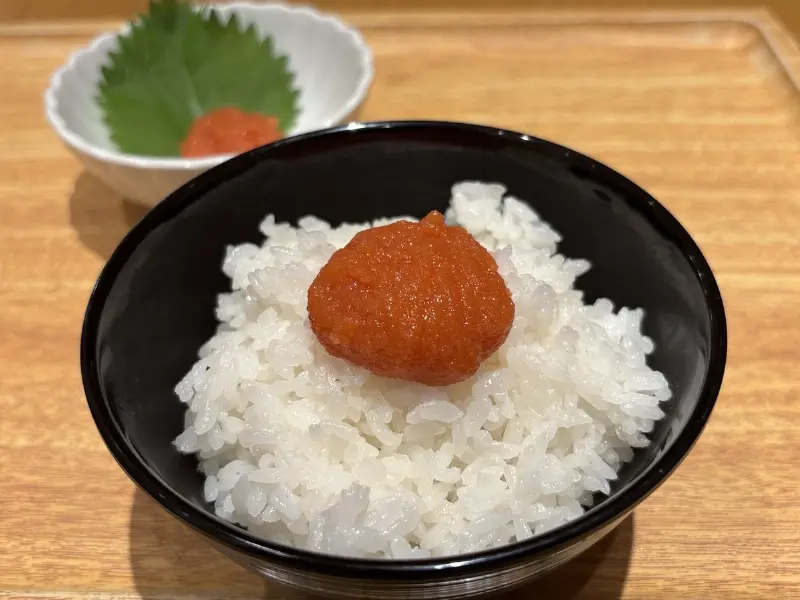


Yamaya in Japan plans a spicy roe substitute early next year with half the salt of mentaiko, although its marinade still contains fish egg extracts.
- Japanese food companies are developing plant-based alternatives for traditional seafood items like spicy cod roe (mentaiko), octopus, and dried bonito flakes.
- Firms use ingredients such as specialized starch and soy protein to replicate the unique textures of the original products, like the "popping" feel of roe and the "springy" bite of octopus.
- The motivations for creating these substitutes include providing healthier, lower-salt options, ensuring stable production amid declining fish catches, and offering vegan-friendly choices.
Yamaya Communications Inc.’s forthcoming alternative to mentaiko, or spicy cod roe, contains half the salt of the conventional product, making it a possible option for hospital meals.
The producer of the Fukuoka Prefecture speciality in south-western Japan plans to begin offering “Daitai Mentaiko” (“Alternative/Roughly Mentaiko”) early next year.
“We're also considering selling the product to general consumers, including those who have opted not to eat (mentaiko) due to concern about salt levels,” a Yamaya official said of Daitai Mentaiko.

In western Japan, two other manufacturers have developed plant-based substitutes for octopus and dried bonito.
Kanetetsu Delica Foods Inc., a Hyogo Prefecture maker of “nerimono” fish cakes, launched “Hobo Tako” (“Almost Octopus”) in August.
Ikeda Tohka Industries Co., Ltd., a Hiroshima Prefecture food ingredient manufacturer, has developed an alternative to dried bonito.
Hyogo’s famous Akashi-brand octopus has become much more expensive as catches have fallen over the past few years.

Kanetetsu identifies stable production as a major advantage of Hobo Tako, while seafood substitutes could broaden food choices through supplies unaffected by poor catches.
Kanetetsu steams fibres, starch and other ingredients together to produce its octopus-free Hobo Tako.
Ikeda Tohka presses soy protein and other ingredients into shape, then uses a machine to turn the material into flakes for its bonito substitute.
Yamaya reproduces the small, egg-like shapes of pollack roe, the main ingredient in mentaiko, with a newly developed starch.
Soaking the starch in a special marinade containing chilli, yuzu citrus and other ingredients creates a substitute with the popping texture of real mentaiko.
Fish egg extracts remain in Daitai Mentaiko’s seasoning liquid, Yamaya said.
The company first uses the liquid to marinate pollack roe for conventional mentaiko, then reuses it for the substitute.
Ikeda Tohka uses plant-based extracts to recreate dried bonito’s distinctive flavour.
Hotels and restaurants serve the substitute in pasta with Japanese flavours, while the flakes also provide a topping for inventive and vegan dishes.
On a steaming okonomiyaki, Ikeda Tohka’s substitute “dances” like the real bonito flakes sprinkled over the pancake, an official said.
The company made the texture light and airy to reproduce that effect on the savoury Hiroshima speciality.
Kanetetsu regards Hobo Tako as perfect for making takoyaki.
The iconic octopus balls are associated with the Kansai region in western Japan, which includes Hyogo.
“The product has a springy and snappy texture similar to that of real octopus meat,” a Kanetetsu official said of Hobo Tako.

[Copyright The Jiji Press, Ltd.]
