
Yemen’s Houthis renew warning to avoid Saudi Arabia’s airports
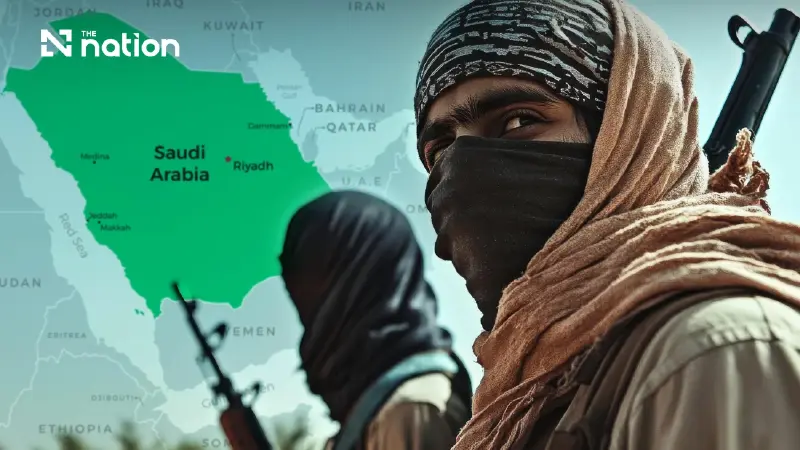


Kuwait Airways cancels Riyadh flights, citing a temporary suspension of airport operations. An airport attack killed 12 and injured more than 300.
- Yemen's Houthis issued a new warning urging airlines, airport staff, and travellers to avoid airports in Saudi Arabia.
- The warning came a day after a deadly attack on an international airport in Riyadh killed 12 people and injured over 300.
- A Houthi military spokesperson specified that airports in the holy cities of Mecca and Medina were exempt from the attacks.
- The group stated the warning should be taken seriously, holding the kingdom responsible for any "failure to intercept attacks."
Yemen’s Houthis issued a fresh warning on Sunday (October 11, 2026), urging airlines, airport staff and travellers to avoid Saudi Arabia’s airports, Reuters reported.
They stressed that the warning should be taken seriously and that the kingdom must bear responsibility for “failure to intercept attacks”.
Houthi military spokesperson Yahya Saree wrote on X that airports in Mecca and Medina were exempt from attacks.
The announcement came a day after an attack on an international airport in the Saudi capital, Riyadh, killed 12 people and injured more than 300.

Kuwait Airways announced the cancellation of its Sunday flights to and from Riyadh, citing Saudi authorities’ temporary suspension of operations at King Khalid International Airport, Al Jazeera reported.
Saudi-backed Yemeni government forces announced that warplanes had struck Houthi strongholds, groups of fighters and vehicles in the al-Maqrami, al-Ja’isha and al-Salal hills east of Taiz, as well as al-Mukhaf fort and the Balan area south of the city.
Saudi Arabia may retaliate forcefully
Dania Thafer, executive director of Gulf International Forum, told Al Jazeera that although Gulf Arab states supported one another, they needed to guard against “full-scale escalation”, which could cause global energy prices to surge.
She explained that Saudi Arabia’s stance towards the war since 2015 suggested that it would respond forcefully to the Houthis.
“I still believe Saudi Arabia would prefer to de-escalate. They do not want the situation to drag on or escalate, but the Houthis are making that harder because they pose a threat not only to Saudi Arabia’s national security but also to international maritime security. This fight is therefore about more than tit-for-tat retaliation.”
