
China enforces waste import ban through customs inspections and fines
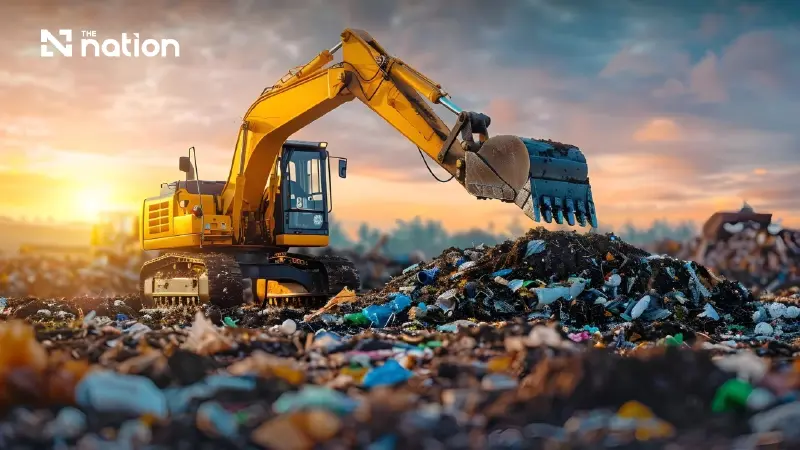


China screens cargo and scans containers to stop illegal waste imports, with fines of up to 5 million yuan and orders to send shipments back to their countries of origin.
- China's customs authorities utilize advanced technology, including AI-powered data screening and large H986 X-ray scanners, to inspect cargo and detect illegal waste imports.
- Those caught smuggling waste face heavy fines ranging from 500,000 to 5 million yuan and must cover the full cost of returning the illegal shipment to its origin.
- In addition to fines, severe penalties for serious offenses include criminal prosecution with potential life imprisonment, revocation of import-export licenses, and blacklisting on the corporate social credit system.
China long served as a destination for rubbish and waste from around the world.
A turning point came when it began enforcing its ‘National Sword’ policy in 2018 to restrict waste imports for recycling.
China subsequently imposed a 100% ban on imports of foreign solid waste and other waste under the Law of the People’s Republic of China on the Prevention and Control of Environmental Pollution by Solid Wastes, ending the issuance of waste import permits for recycling altogether.
Sonthi Kotchawat, an environmental and health expert with the Thai Environmental Academics Club, explained in a Facebook post that the measures cover a comprehensive ban on household and industrial plastic waste and scrap, including PET, PVC, PE and PS plastics, as well as plastic film, unsorted waste paper, textile scraps and used clothing.
The aim is to prevent China becoming a dumping ground for foreign waste that is difficult to break down.

Ban on e-waste, the digital age’s toxic legacy
Electronic waste, or e-waste, is another key target of China’s outright import ban.
It covers computer parts, circuit boards, old electrical appliances and batteries of all types because these contain heavy metals and complex toxic substances that can persist in the environment for long periods.
Strict controls on industrial waste, toxic chemicals and mineral residues
For industry, China bans all forms of hazardous waste, including industrial sludge, used oil, organic solvents, pharmaceutical industry waste and toxic chemicals.
The ban also covers mineral residues and scrap metal, such as steel slag, vanadium-bearing residues and materials contaminated with gold, copper and lead.
China Customs uses artificial intelligence and smart data screening
Sonthi explained that China Customs has upgraded port screening with advanced technology.
It uses smart data screening to examine cargo manifests, exporter information, shipping routes and product categories in detail.
If the system identifies risks or irregularities, it alerts officers to detain and inspect the cargo immediately.

H986 X-ray scanners inspect container contents
To prevent false declarations and waste being concealed among other goods, China uses large H986 X-ray scanners to inspect container contents without opening them.
If suspicious objects are detected, officers open the containers for physical inspection, check for odours and collect samples for laboratory analysis to identify toxic substances immediately.
Heavy fines of up to THB24 million and orders to return waste
Those who smuggle waste into China face fines ranging from 500,000 to 5 million yuan, approximately THB2.4 million to THB24 million.
China also orders the importers and shipping lines to jointly bear the full cost of returning the illegal waste to its country of origin.
Criminal prosecution, life imprisonment and corporate social credit blacklisting
Where smuggling constitutes a serious criminal offence, penalties range from prison terms of five or 10 years to life imprisonment.
Businesses will also have their import-export licences revoked and be entered into the corporate social credit system, preventing them from ever doing business in China again.
This provides an important case study for Thailand, which must remain vigilant to prevent an influx of toxic waste.
Source: Spring News
