
US forms task force to target Iran's land and Caspian Sea routes
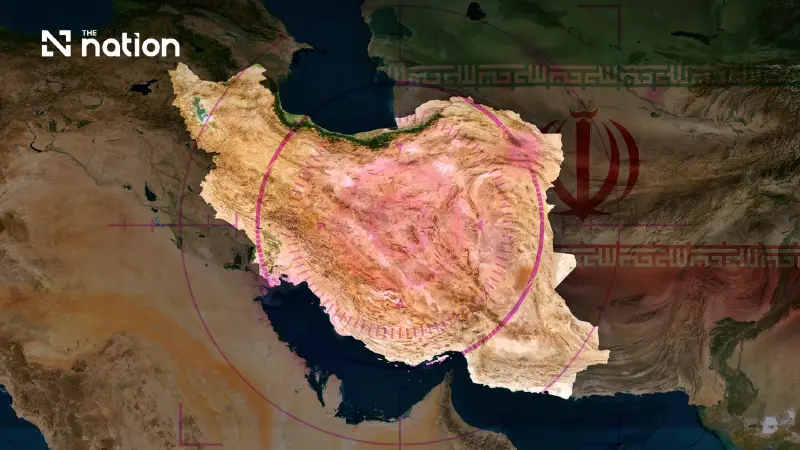


Task Force Iron Gate expands US pressure on Iran beyond the naval blockade, targeting weapons, sanctioned goods and alleged illicit revenue via land and the Caspian Sea.
- The US military has established a new unit, 'Task Force Iron Gate', to disrupt Iran's supply routes across its land borders and the Caspian Sea.
- The initiative aims to stop the movement of weapons, sanctioned goods, and military-related technology, expanding on the existing US naval blockade.
- Led by US Central Command, the task force will collaborate with other government agencies to cut off Iran's access to military supplies and sources of revenue.
- This action follows reports that Iran has been circumventing sanctions by using alternative transport routes from Russia and Central Asia.
The US military has established a new task force to disrupt the movement of weapons, restricted goods and military-related technology across Iran's land borders and via the Caspian Sea, expanding Washington's campaign beyond its existing naval blockade.
US Central Command (CENTCOM) announced the formation of Task Force Iron Gate on Saturday (November 7), as Washington continues efforts to restrict Iran's access to military supplies and sources of revenue.
The initiative will target advanced weapons systems, goods subject to sanctions and dual-use technologies that can serve both civilian and military purposes. It will also seek to disrupt revenue flows that Washington describes as illegal.

Based in Tampa, Florida, Task Force Iron Gate will work with other US government agencies. A military official, speaking to Reuters on condition of anonymity, indicated that these were expected to include the Treasury, State and Justice departments, as well as intelligence agencies.
Admiral Brad Cooper, commander of CENTCOM, stated that closer cooperation between the military and other federal agencies would “further constrain Iran's ability to finance terrorism, rebuild weapons factories, and replenish their military”.
CENTCOM estimates that the existing naval blockade has prevented Iran from exporting more than US$25 billion worth of crude oil.

Iran's alternative supply routes
The latest initiative follows a Reuters investigation that uncovered a covert network of Iranian military agencies responsible for importing equipment, explosives and heavy-duty trucks worth at least US$2 billion since January 2025.
Despite Western sanctions and the American naval blockade, the network has continued to obtain supplies through several international transport routes.
According to the investigation, shipments have reached Iran by cargo ship across the Caspian Sea from Russia, by truck from Central Asia and by freight aircraft from China.
The expansion of US enforcement efforts comes more than eight months after Washington and Israel launched their war against Iran.
American airstrikes have inflicted extensive damage on Iran's conventional military capabilities, while the naval blockade has substantially restricted crude oil shipments through the Strait of Hormuz and the Arabian Sea.
Nevertheless, Iran continues to pose a significant threat to regional security, while its leadership remains firmly in control despite sustained military and economic pressure.

Political pressure and renewed diplomatic efforts
The prolonged conflict has also become a contentious issue in US domestic politics following the midterm elections.
Iran has welcomed the US midterm election results, which saw President Donald Trump's Republican Party lose control of Congress to the Democrats.
US Vice President JD Vance attributed the Republican electoral defeat to the war with Iran and appeared to question whether the conflict had been worthwhile.
Meanwhile, international mediators have intensified diplomatic efforts to end the conflict between Washington and Tehran amid fears of renewed fighting after the US midterm elections.
Trump has threatened another offensive against Iran, unsettling Gulf countries amid Tehran's warnings of retaliation against infrastructure across the region.
Reuters has previously reported that US intelligence assessments conducted in recent months suggest renewed strikes would be unlikely to fundamentally change Tehran's negotiating position or bring down Iran's government.
