
UN court finds Myanmar committed genocide against Rohingya in 2017
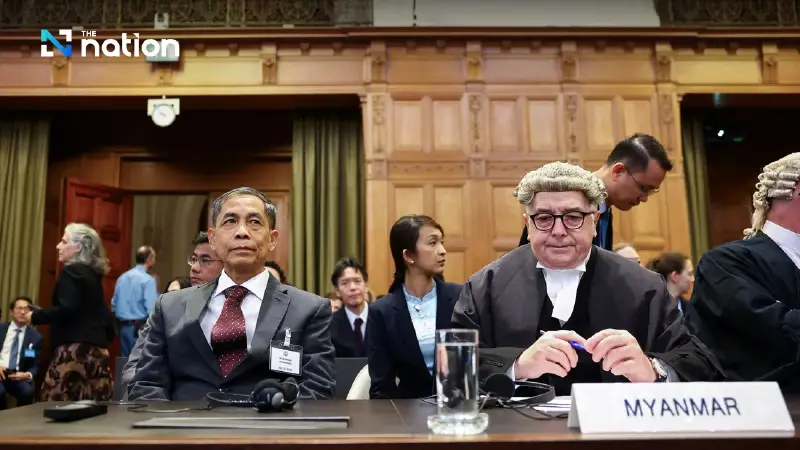


The International Court of Justice ordered Myanmar to help displaced Rohingya return home safely and voluntarily. It will decide compensation later.
- The UN's International Court of Justice (ICJ) has ruled that Myanmar committed genocide against the Rohingya people during its 2017 military operations.
- This landmark judgment is the first time in the court's 80-year history that it has held a state responsible for committing genocide.
- The ruling was based on findings that Myanmar's security forces killed at least 10,000 people and acted with the intent to destroy a substantial part of the Rohingya population.
- The court has ordered Myanmar to facilitate the safe return of displaced Rohingya, prosecute those responsible, and provide compensation for the harm caused.
The International Court of Justice ruled on Thursday, 19 November, that Myanmar committed genocide against the Rohingya during its 2017 military operations in northern Rakhine State. Judges voted nine to six on the finding, the first time in the UN court’s 80-year history that it has held a state responsible for committing genocide.
Court president Yuji Iwasawa read the judgment in The Hague. The Gambia brought the case in 2019 under the Genocide Convention, two years after the crackdown drove hundreds of thousands of Rohingya across the border into Bangladesh.
What the judges found in Rakhine State
The court said the evidence supported a UN fact-finding mission’s estimate that at least 10,000 people were killed during the operations. Judges found that Myanmar’s security forces killed Rohingya civilians, inflicted serious physical or mental harm and imposed measures intended to prevent births. They concluded that the forces acted with the intent to destroy a substantial part of the Rohingya population in northern Rakhine State.
Myanmar had denied genocidal intent. At hearings in January, its representatives argued that the military was conducting a counter-terrorism operation after armed attacks on security personnel.

What Myanmar must do for survivors
The court ordered Myanmar to allow and assist displaced Rohingya who choose to return to their homes, ensure they can do so safely and with dignity, and help reunite families. The order covers people displaced within Myanmar as well as those who fled abroad. Myanmar must also investigate those reasonably suspected of involvement and, where warranted, prosecute and punish them.
Myanmar owes compensation for harm it cannot otherwise repair. It has two years to report to the court on the steps it has taken and the compensation it proposes. Judges will determine the amount and terms in a later phase.
UN Secretary-General António Guterres urged Myanmar to comply with the judgment. Gambian President Adama Barrow described the ruling as a historic day for international justice.

Rohingya families watch from Bangladesh
In Cox’s Bazar, where more than a million Rohingya live in refugee camps, hundreds gathered around a giant screen to follow the proceedings. Some wept as Iwasawa read the ruling.
Mohammed Osman, 20, whose parents and four siblings were killed by Myanmar’s military, told AFP the judgment showed that “we were not lying about the genocide”. For him, the ruling delivered only half of what he wanted. The rest would come “when we are repatriated with dignity”.

