
Brent falls 3.46% on 23 Nov as Libya’s Sharara line reopens
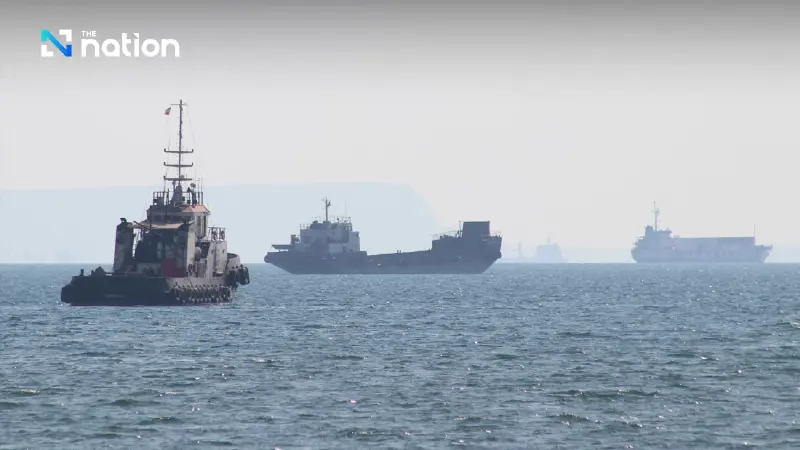


US crude settled at US$80.17 a barrel as rising Middle East supplies outweighed concerns about attacks on shipping near the Strait of Hormuz.
- Brent crude oil fell 3.46% to $89.37 a barrel on November 23, its lowest closing price since August.
- The primary cause for the price drop was an increase in oil supply following the reopening of Libya's Sharara pipeline.
- Downward pressure on prices was also influenced by forecasts of a future oil surplus and an expected rise in U.S. crude inventories.
- The price fell despite several geopolitical events that would typically increase prices, such as attacks on Gulf shipping and oil facilities in Russia and Saudi Arabia.
Brent crude fell 3.46% to US$89.37 a barrel in London on 23 November 2026 as more oil flowed from the Middle East and Libya reopened its Sharara pipeline. US crude settled at US$80.17 a barrel in New York. Both benchmarks recorded their lowest closes since August despite fresh attacks on Gulf shipping.
January Brent futures lost US$3.20 a barrel. The US benchmark, West Texas Intermediate, fell US$3.24, or 3.88%, for the same delivery month. Brent last settled lower on 28 August and US crude on 7 August.
Libya resumes oil deliveries as JPMorgan forecasts a surplus
Crude from Libya’s Sharara field had begun reaching storage tanks at the Akakus facility in Zawiya, Masoud Suleman, chairman of Libya’s National Oil Corporation, told Reuters on 23 November. Pumping resumed after the pipeline reopened.
JPMorgan expects oil futures to fall into the high US$70s a barrel in the first half of 2027. The bank forecasts that production will exceed demand as Middle Eastern producers outside Iran raise output and the US leads supply growth in the Americas.
Bank of America sees a risk in the relatively low level of global oil stocks. It expects geopolitics to remain the main influence on prices because consumers have less oil in reserve if deliveries are interrupted. Chris Beauchamp, chief market analyst at IG, said signs of a surplus were weighing on prices and that a further US attack on Iran under President Donald Trump appeared less likely as time passed.
In the US, a preliminary Reuters poll of five analysts pointed to a rise of about 900,000 barrels in crude oil and petroleum product inventories for the week ending 20 November.
Attacks threaten Gulf shipping and delay Russian oil exports
The UK Maritime Trade Operations office reported several attacks on shipping in the Gulf and near the Strait of Hormuz over the weekend of 21–22 November. Yemen’s Iran-aligned Houthis also said they had struck the Rabigh refinery in Saudi Arabia on 22 November. Saudi authorities did not immediately comment, and the extent of any damage was unclear.
Bahrain said an Iranian attack hit a civilian industrial facility on 21 November. Iran’s Revolutionary Guards said they had launched missiles and drones at US military positions in Bahrain, where the US Navy’s Fifth Fleet is based.
Ukraine’s military said on 23 November that an overnight strike had damaged three processing units at Lukoil’s refinery in Perm, Russia. Ukraine’s General Staff also reported damage to four storage tanks at the Kaleykino pumping station in Tatarstan, which it said had been hit twice in four days.
Bad weather and repeated Ukrainian drone attacks were delaying Russian oil shipments from major Baltic Sea and Black Sea terminals, according to traders and people familiar with loading schedules and shipping data.
Fossil fuel dispute ends climate talks without a deal
The United Nations climate summit in Antalya, Turkey, ended on 22 November without an agreement after governments clashed over whether to call for a phase-out of fossil fuels. It was the first such breakdown since 2009. Observers at the summit said Saudi Arabia and other major producers, which expect fossil fuels to retain a long-term economic role, had pressed to keep them out of the text.
Ministers from the Organization of the Petroleum Exporting Countries and allied producers, including Russia, are due to meet on 29 November. The group, known as OPEC+, will decide its production policy for 2027.
