
Integration in the region is the way ahead for North Korea


Play
It is in no country's interest to see the regime disintegrate, but Kim Jong-un must offer a new vision for the future
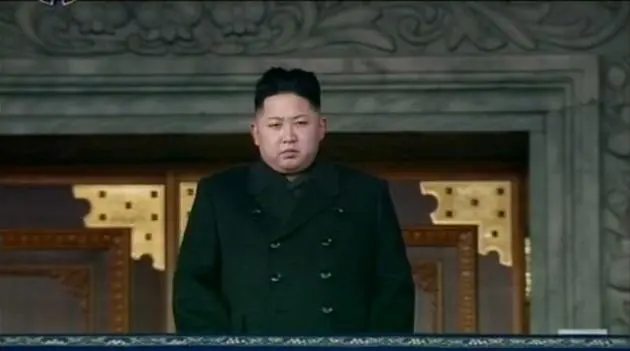
Now that the young Kim Jong-un has been affirmed as the “Supreme Leader” of North Korea, Kim needs to map out future plans for his country, which has been isolated internationally. More importantly, there is continuing and untold human suffering. To change for the better, Kim and his powerful supporters from the military apparatus and North Korean Workers Party must introduce some reforms to keep the backward economy from sinking further.
The smooth transition from Kim Jong-il to his son surprised many foreign observers, due to the many uncertainties associated with the change of leadership in the secretive nation. History has shown that new leadership often causes unpredictable policy changes on the side of North Korea, especially on the security front. North Korea’s neighbours, China, Japan, South Korea and Mongolia, are very nervous and want to see continued stability in the hermit kingdom, which is a prerequisite for peace on the Korean Peninsula. The young Kim has yet to show his vision of the future. Speculation is high that there is nothing new on the horizon because Kim’s supporters in the armed forces prefer to see the status quo continue for their own sakes. Any change that causes further disruption in their ranks could be exploited from the outside. Therefore, it is highly likely that they would adhere to policies and programmes adopted under Kim Jong-il without any alterations for the time being.
As such, North Korea’s future is not so promising. The international community, especially the US and Europe, wants to encourage the new North Korean leader to commit to non-proliferation efforts and open up the country to improve its living and investment conditions. At this juncture, nobody would like to see the collapse of North Korea due to its huge ramifications. This is in contrast to the early 1990s when the West viewed the demise as inevitable. However, with the current global problems and economic uncertainties, the regime’s disintegration would impact on the region’s stability. No country wants to see that happen.
North Korea can choose a way forward by integrating itself with the region—to generate more confidence. It is disappointing that Pyongyang has so far paid full attention only to the West and its close neighbours, without utilising its limited network in the region. In 2000, the country joined the region-wide security platform, known as the Asean Regional Forum, and in 2008 it acceded to the Treaty of Amity and Cooperation. These connections are valuable if North Korea decides to make use of them. For instance in the security area, all concerned countries in the six-party talks are ARF members. If there is sufficient and sustained economic reforms, North Korea in the future could apply to become a member of the Asia Pacific Economic Cooperation forum.
It is obvious the country can make a major leap by adopting less restrictive economic policies that allow the population to partake in managing their lives and stakes. The young Kim, who was educated abroad during his childhood, should be the right person to initiate some tangible reforms that would benefit the country and in turn boost his leadership status.
