
A terrible injury, but no one can stop play


Play
Old concepts of sport are changing, with cutthroat business fast replacing its power to channel aggression and bring unity
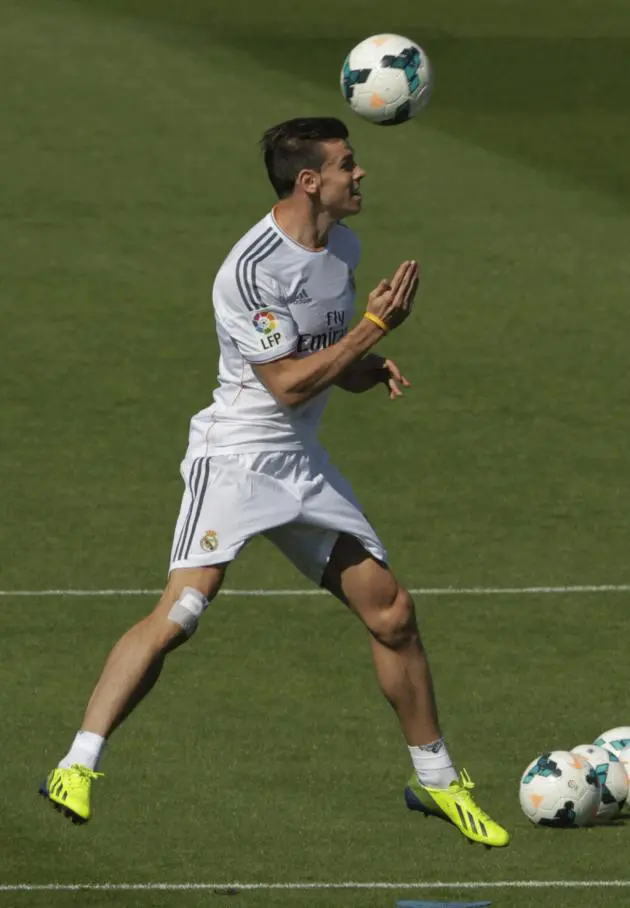
That a single football player, Gareth Bale, is costing his new club more than the average budget of a Third World country is only one indicator of how the most popular sports on the planet is evolving. Other telltale signs include the changing objectives of soccer academies around the globe, how defeats are dealt with – not by greater discipline or more strenuous practice but by leaking rumours about new “transfer targets”, and how parents’ eyes flash dollar signs when they see their kids demonstrating talent.
The just-shut “transfer window” for European football, the focus of world attention and the biggest display of global superstars, was the craziest we have ever seen. Yet many believe there is plenty more to come, since the so-called Fair Play rules are kept toothless on the sidelines. Big clubs consider themselves lucky if they can bag a player for less than US$15 million. Just-above-average players are priced at more than $30 million each. Welsh international Bale cost Spain’s Real Madrid an amount that could build a sophisticated medium-sized stadium.
In addition to the ballooning prices, transfers have been plagued with naked greed, dirty tactics and political wrangling between clubs that would put any politician to shame. Clubs want not only the best for themselves, but also the worst for their rivals.
Sport as something that channels humanity’s aggression into a unifying force is, for now at least, forgotten. Its cutthroat business practices are as intense as anything we see elsewhere in life, if not more so.
The trend will be hard to buck. Sport’s traditional power to lift spirits and create harmony is being transformed by an ethos of “success at all costs”. It’s an evolution that is increasingly associated with wealth. The richer a country or club, the greater its chances of sporting glory. But while money might be the key to the best players, you never know what other price you have to pay for success.
The fans play a big role in this. Supporters of the “giant” clubs are more influential than they think. Their whining, criticism and social-media campaigns often force clubs to make knee-jerk changes, rather than strengthening fundamentals like youth-academy development or scouting for and cultivating new talent. Yes, the clubs want instant success, but fans want the trophies “yesterday”.
The new trend is bringing sweeping changes in football. The influence of players’ agents is growing, threatening the emergence of new talent. Children might no longer be playing sports out of mere passion for the game. Parents might not be supporting their talented kids out of mere hope for their happiness. Contracts are becoming business weapons and losing their significance as an index of talent. Clubs are signing players not only to improve their chances, but also to prevent their rivals from improving. It’s a mini-war out there that has grown out of something once considered a force for bringing the human race together.
Football’s tradition of fair play on a “level playing field” is fast becoming a fairytale.
With Gareth Bale and Cristiano Ronaldo spearheading Real’s attacks, do lesser teams stand any chance against them?
Of course, Real Madrid fans don’t see a problem. And when it comes to entertainment value, whether the game is being spoiled is debatable. But, as with anything else in life, a problem can quickly get a lot bigger if it’s not initially regarded as a problem.
