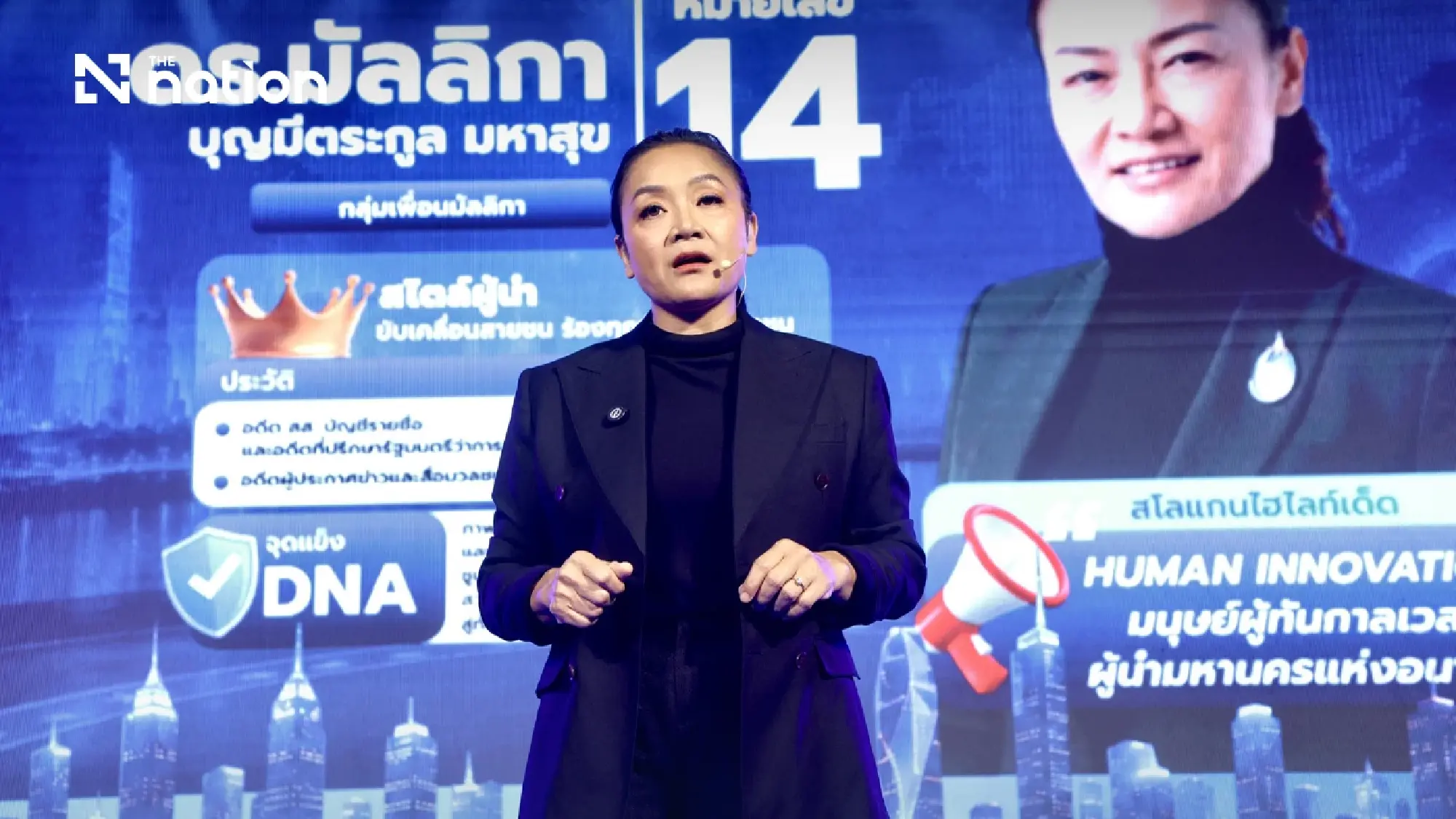
Four Bangkok governor candidates outline plans to create new destinations, revive canals and spread tourism income before the June 28 election
Four Bangkok governor candidates have proposed creating new tourism zones and attractions to diversify the city's economy beyond traditional landmarks.
Key proposals include developing 50 creative districts, reviving canals for floating markets and transport, establishing new night-time economy zones, and promoting year-round festivals.
A shared strategy among candidates is to decentralize tourism by empowering local communities with increased budgets and promoting their unique identities and stories to distribute economic benefits more widely.
Four Bangkok governor candidates have set out competing plans to turn the capital into a stronger year-round tourism economy, pitching new destinations, revived canals, creative districts and community-based attractions in the final stretch before voters go to the polls on June 28.
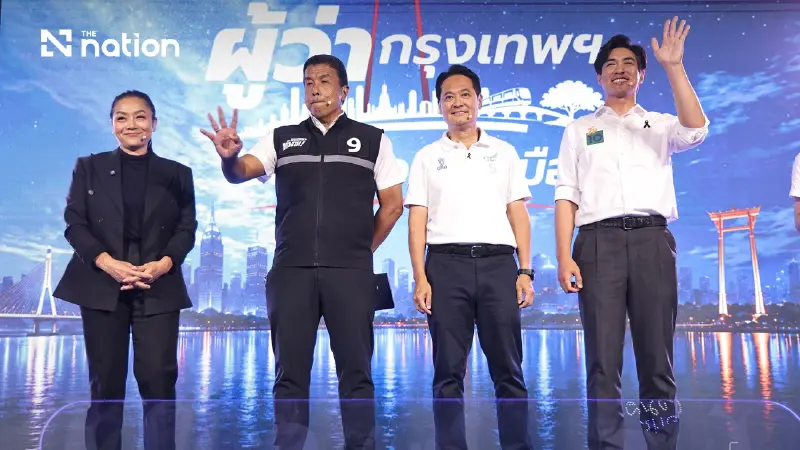
Nation TV Channel 22, King Prajadhipok’s Institute and network partners organised the debate under the theme “Opportunities for city residents”, giving four key candidates a platform to present their visions for Bangkok’s future.
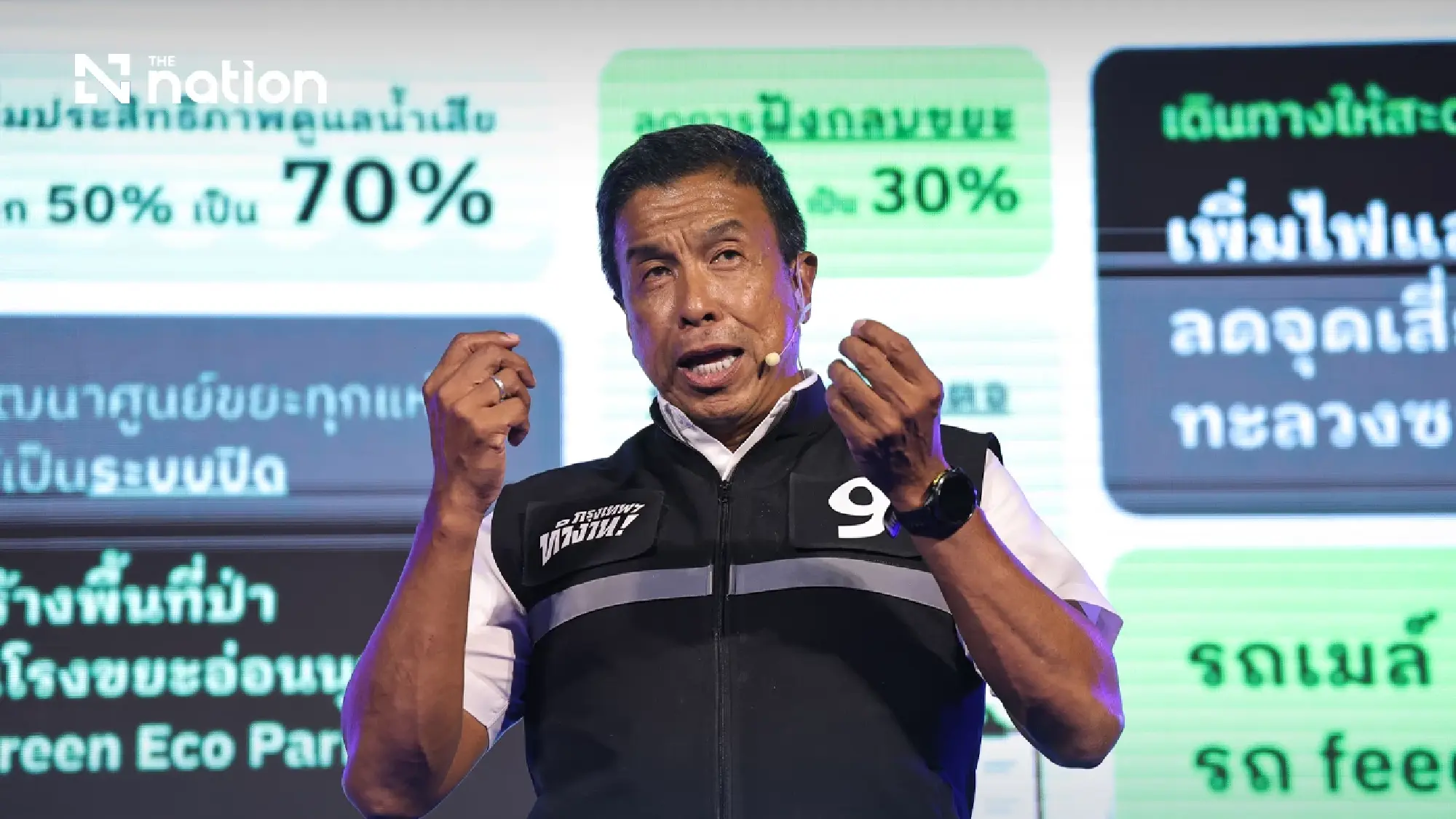
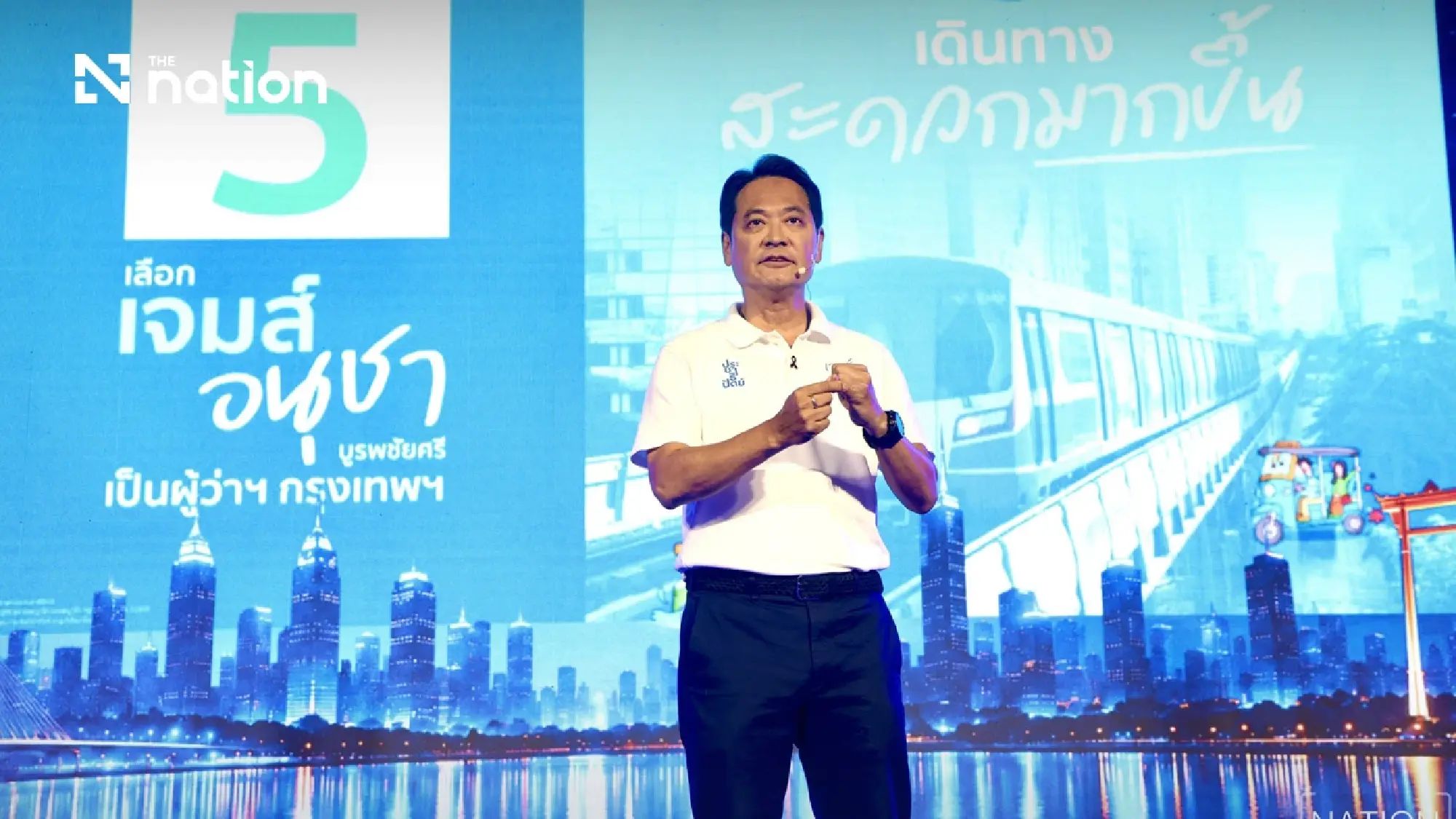
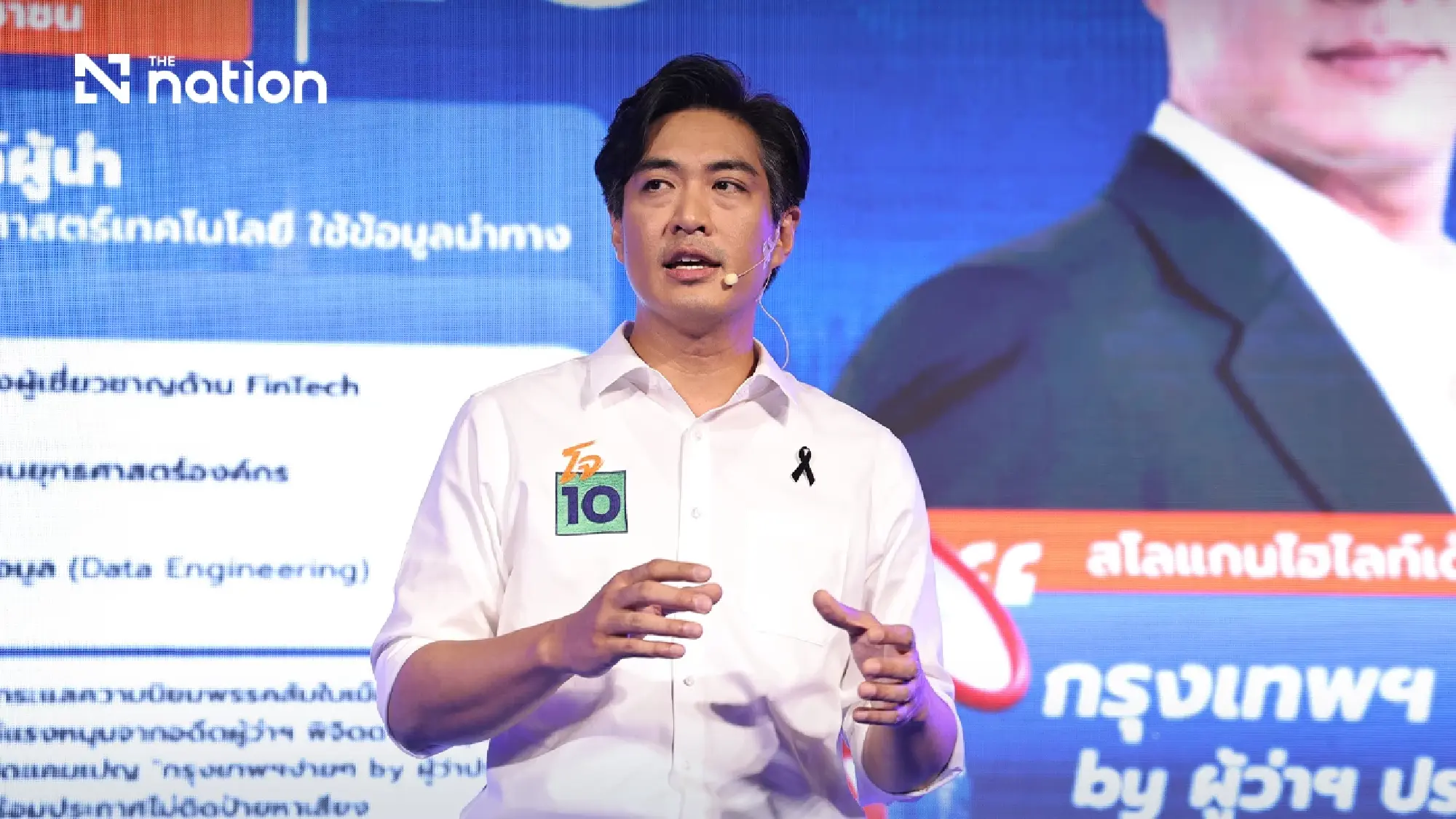
The candidates taking part were Chadchart Sittipunt, candidate No 9; Anucha Burapachaisri, candidate No 5 from the Democrat Party; Chaiwat Sathawornwichit, candidate No 10 from the People’s Party; and Dr Mallika Boonmeetrakul Mahasook, candidate No 14.
One of the central issues was how Bangkok could develop new “man-made destinations” beyond its traditional tourist landmarks, such as the Temple of the Emerald Buddha and Yaowarat. The debate focused on how the city could create fresh attractions, spread tourism income into local communities and stimulate the grassroots economy.
Candidates seek new engines for Bangkok tourism
The debate reflected a shared view among the candidates that Bangkok should not depend only on well-known tourist sites. Instead, the city should create new attractions at district and community level, making tourism more evenly distributed and more closely tied to local identity.
Although their proposals differed, the candidates all sought to position Bangkok as a city that can attract visitors throughout the year, generate income for local residents and compete more strongly on the global stage.
The discussion covered creative-economy policies, canal tourism, community storytelling, night-time districts, food culture, local transport links and faith-based tourism.
Chadchart proposed using Bangkok’s cultural capital as a platform for the creative economy.
His plan focuses on 12 major festivals throughout the year, including Songkran, Loy Krathong, New Year celebrations and the Pride Parade. He said these events should be pushed onto the global calendar, while the Bangkok Metropolitan Administration supports the necessary infrastructure, safety measures and transport systems.
He also proposed developing 50 creative districts, allowing each community to draw out its own identity and turn it into a selling point. Examples include Song Wat and Hua Takhe, which could be strengthened as distinctive cultural and creative neighbourhoods.
Chadchart also proposed improving pavements, lighting and waste-management systems, alongside new pedestrian and bicycle bridges across the Chao Phraya River in the Song Wat area.
Another part of his proposal was to raise Bangkok’s street food to international cleanliness standards, helping one of the city’s strongest tourism assets become more reliable and globally competitive.
Anucha focuses on soft power and community stories
Anucha said Bangkok should build tourism around local lifestyles, community stories and soft power.
His proposal seeks to make Bangkok a city that can be visited throughout the year through a 12-month calendar of activities, including food festivals, street art, music and contemporary art events in old neighbourhoods such as Charoen Krung.
He argued that Bangkok’s charm does not have to depend only on large-scale investment. Instead, the city can use storytelling and local identity to create meaningful attractions that draw visitors into communities.
Anucha also proposed developing canal-side communities in Phasi Charoen and Bang Khae as lifestyle tourism destinations, photo spots and learning spaces for local culture.
The approach would allow Bangkok to create value from existing community assets while distributing tourism income beyond the usual central areas.
Chaiwat proposes stronger district budgets
Chaiwat proposed decentralising authority and budgets to Bangkok’s districts so that each area can design its own tourism identity.
He said the development budget for each of Bangkok’s 50 districts should be increased from 50 million baht to 500 million baht, giving local areas more power to create their own selling points and respond to their specific strengths.
His examples included a craft beer district in Bang Phlat and halal tourism in eastern Bangkok.
Chaiwat also proposed feeder boat services linking tourist attractions, such as a route from Wat Paknam Phasi Charoen to Talat Phlu. He said better water transport could make it easier for visitors to move between destinations and connect local attractions into a wider tourism network.
The policy places emphasis on area-based development, local decision-making and transport links that make community tourism more practical.
Mallika calls for canal and night-time revival
Dr Mallika focused on reviving Bangkok’s canals and existing economic areas as tourism destinations.
She proposed developing canals into floating markets and leisure spaces for younger generations, while also restoring night-time districts such as Silom Soi 4.
She said the “Khao San model” could be adapted for different districts, allowing Bangkok to build more night-time economy zones based on local character.
Mallika also proposed faith-based tourism routes across several areas of the city, targeting visitors interested in spiritual travel and belief-related experiences.
The policy aims to create new spending routes in communities while giving older urban areas a fresh economic role.
Tourism income at the heart of the race
The debate showed that tourism and the creative economy have become major issues in the Bangkok governor race.
While the four candidates offered different policy models, their proposals shared a common direction: moving tourism out of the same familiar centres, creating new district-level destinations and making Bangkok a city that can be explored throughout the year.
The wider challenge is whether these plans can be turned into practical policies that improve infrastructure, support local communities and generate real income for city residents.
As Bangkok heads towards the June 28 election, the contest is increasingly about who can turn the capital’s culture, communities, canals and night-time economy into a stronger engine for inclusive growth.