
The Next Generation of Giving
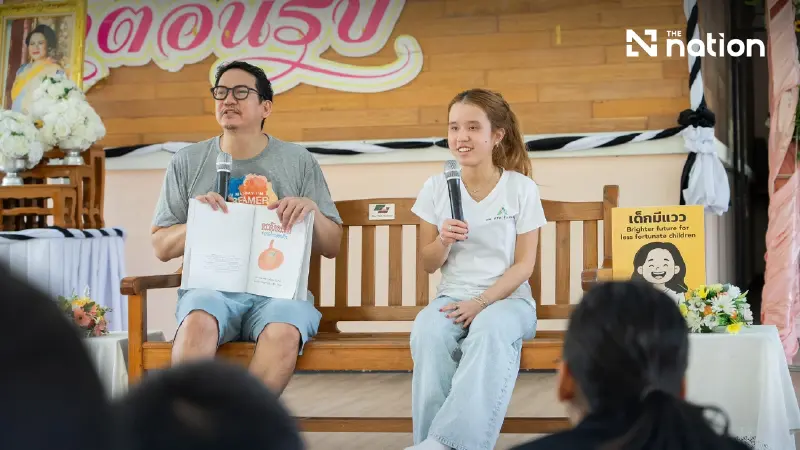


When young people believe opportunity is the most valuable gift of all, true success is measured not by what we receive, but by the opportunities we create for others.
This belief captures the spirit of Rasika “Waew” Techajareonvikul, a young changemaker who believes that making a difference does not have to begin with vast resources. It can start with understanding another person’s life - and having the courage to act.
Raised in a business family, she learned more than the principles of running a company. From her father, Aswin Techajareonvikul, and her mother, Thapanee Techajareonvikul, she also learned the importance of social responsibility. Her parents instilled in her the belief that “true growth means helping others move forward alongside us.”
That lesson shaped her conviction that everyone deserves the chance to begin again, whatever their past. It also led her to one of society’s most frequently overlooked groups: women in prison.
Where others might see only past mistakes, she sees mothers, daughters, wives, and individuals whose hopes, dreams, and inherent worth remain intact. Rather than asking, “What did they do wrong?” she asks, “How can we help them believe in their own worth again?”

That question became the starting point for her work with more than 100 women at the Central Women’s Correctional Institution. Through activities designed to rebuild family relationships, support emotional well-being, and create pathways towards a dignified return to society, she seeks to help women reconnect with both their loved ones and their sense of self.
One key initiative involves storytelling sessions for pregnant women in prison, giving expectant mothers an opportunity to communicate with their babies before birth. For Her, prison walls should never stand between a mother and her child’s love. The sessions aim to support early development and nurture the emotional bond between mother and baby from the very beginning.
She also organizes discussion circles where women can share their experiences, hopes, and dreams, helping their voices reach beyond the prison walls. Often, what they need is not only opportunity, but someone willing to listen.
Her experiences inspired her to write and illustrate a children’s storybook about a little bear searching for its mother. Created to comfort children experiencing separation from their families, the book seeks to nurture the connection between mothers and children, even when they cannot be together.
These efforts form part of Spark of Promise, known in Thai as “Dek Mee Waew,” a project dedicated to creating opportunities for children with incarcerated parents - a group particularly vulnerable to dropping out of education.
Rather than relying on direct appeals for donations, she chose to raise funds through her own creativity. She designed a tote bag inspired by the story of a woman in prison who looks at the moon each night, longing for her child. The design reflects the hope, love, and sacrifice that endure despite separation.

Each bag carries more than a charitable purpose. It symbolizes a love that cannot be confined and connects those who wish to help with children who need opportunities to move forward.
All proceeds from the project will fund educational scholarships for children affected by family separation, giving them the chance to learn, grow, and shape their own futures.
For Waew, this is what meaningful social impact looks like: giving by creating opportunities that can change the course of someone’s life.
“Help can make a difference for a day. Opportunity can change a lifetime.”
