
Threads of Tradition: How Thailand’s Highland Communities Are Taking Local Wisdom Global
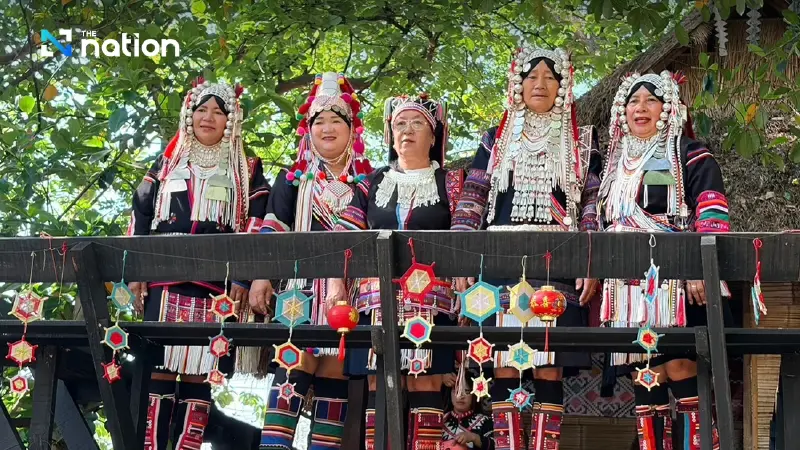


Discover the vibrant 2026 Highland Ethnic Festival in Chiang Mai, where 10 ethnic groups showcase their rich heritage, sustainable business models, and the legacy of Thailand’s royal development projects.
In the emerald hills of Northern Thailand, a cultural renaissance is quietly unfolding. At the Highland People Discovery Museum in Chiang Mai’s Rama IX Lanna Park, the air recently buzzed with the sights, sounds, and scents of the 2026 Highland Ethnic Festival. This vibrant three-day event, held on 21-23 March 2026, was more than just a celebration; it was a sophisticated bridge connecting centuries-old wisdom with the modern global marketplace.
A Vision of Equality and Identity
Opening the festivities, Kantapong Rangsesawang, Permanent Secretary at the Ministry of Social Development and Human Security, set a tone of profound respect and progress. Under the evocative theme “The King’s Path: Weaving Bonds, Ethnic Identity, and Sustainable Welfare,” the festival highlighted Thailand’s commitment to a multi-cultural society where every citizen—regardless of their heritage—enjoys equal rights, welfare, and social opportunity.
"Thailand’s strength lies in its diversity," Mr Rangsesawang noted. "By protecting the rights of our highland communities and empowering them to preserve their unique identities, we are not only enriching our national culture but also creating a model for sustainable social development."

The Tapestry of the Ten
The festival served as a living gallery for ten distinct ethnic groups: the Karen, Khmu, Htin (Mal-Pray), Hmong, Mien (Yao), Lua (Lawa), Lahu (Muser), Lisu (Liso), Akha (Ikaw), and the elusive Mlabri. Visitors were treated to a rare, immersive look into their lives through:
- Living Museums: Reconstructions of traditional dwellings and daily rituals.
- Artisanal Craftsmanship: Masterclasses in intricate silverwork and hand-woven textiles.
- Folk Performances: A rhythmic journey through the music and dance of the highlands.
- Exhibitions on royal initiatives to improve livelihoods in highland communities.
- Panel discussion by local leaders and experts.
- Showcases and sales of community products.
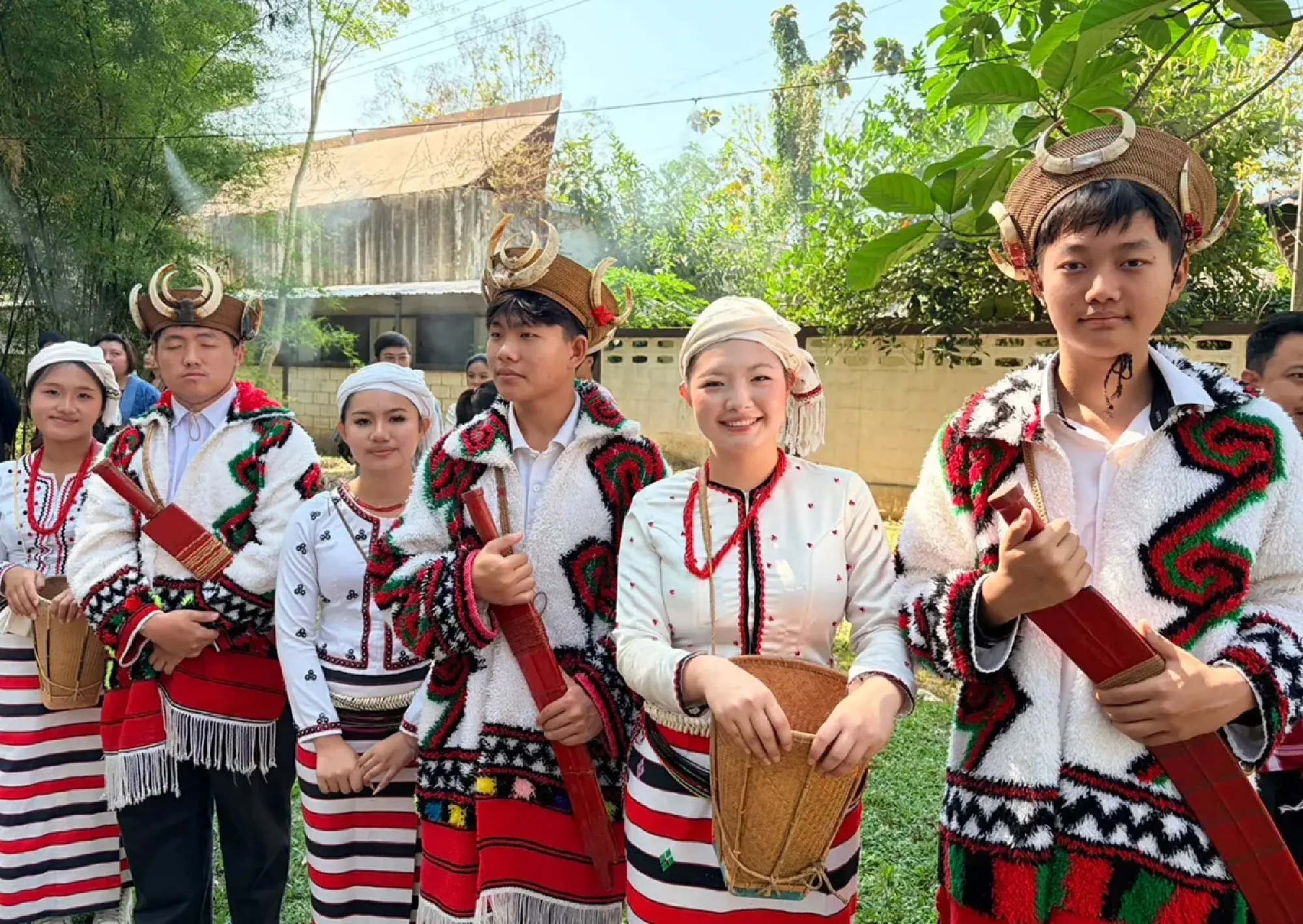

From Heritage to High Commerce
Perhaps the most forward-thinking aspect of the event was the Business Matching programme. This initiative transformed traditional artisans into global entrepreneurs, allowing highland communities to connect with international buyers and domestic businesses.
The highlight for many was the “Father’s Coffee, Mother’s Weaving” exhibition. This poignant display showcased how royal initiatives helped improve livelihoods in highland communities—replacing old-world challenges with high-value industries like speciality Arabica coffee and bespoke fashion. These products aren't just souvenirs; they are premium goods that tell a story of environmental stewardship and community pride.

A Sustainable Legacy
As the festival concluded, the message was clear: Thailand’s highland heritage is a priceless national asset. By blending traditional knowledge with contemporary business strategies, the kingdom is ensuring that these unique cultures do not just survive, but thrive in the 21st century.
This synergy of government support, private sector interest, and grassroots passion is a testament to Thailand’s inclusive spirit. It is a future where the "King's Path" leads to a more prosperous, colourful, and unified nation for all.

SOURCE: www.thailand.go.th
