
Chinese social media slams Hun Sen amid fallout in Thai-Cambodian leadership row
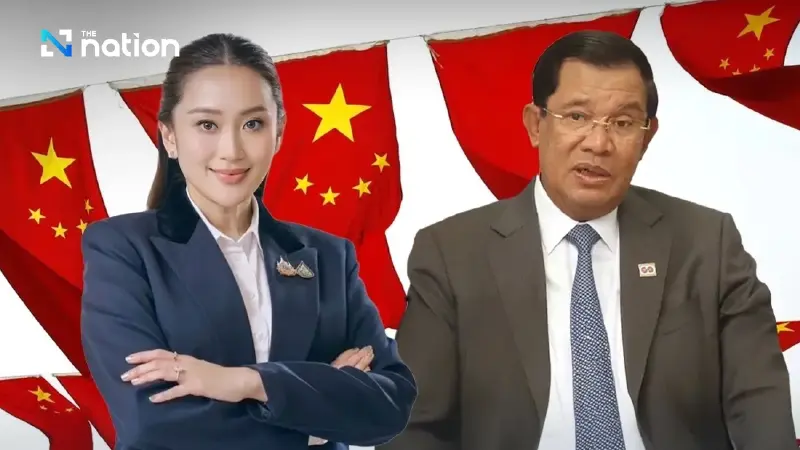


Chinese netizens question Hun Sen’s judgement after he exposed details of the Shinawatras’ exile, calling it a breach of trust
Despite the escalating tensions between Thailand and Cambodia, official Chinese authorities and state media have remained conspicuously silent.
There has been no formal commentary or reporting on the conflict at any level — nor any mention of China’s earlier involvement in cracking down on transnational call centre gangs operating in neighbouring countries, a topic that had previously been featured prominently in Chinese domestic news since the beginning of the year. That coverage has since vanished without explanation.
However, an article published by Taigua.com, a Chinese social media outlet known for analysing current affairs, has caught the attention of Chinese readers, many of whom are now closely following the increasingly tense situation and the sharp exchanges between Thai and Cambodian leadership.
The article outlines key turning points in the diplomatic fallout, starting with former Cambodian Prime Minister Hun Sen’s release of an audio recording of a private phone call with Thai Prime Minister Paetongtarn Shinawatra.
The leak stunned both Thais and the international community, shaking the foundations of a 30-year friendship and mutual trust between the two nations and plunging bilateral ties into confusion and turmoil.
Soon after, Hun Sen published images of the accommodation where former Thai Prime Ministers Thaksin and Yingluck Shinawatra had once taken political refuge in Cambodia.
He appeared to take pride in what he seemed to view as an indirect but important revelation — possibly alluding to critical moments during their departure from Thailand.
Most recently, Hun Sen openly acknowledged that the long-standing familial friendship between the two dynasties — his and the Shinawatras — had come to an end, following the release of the phone conversation by Cambodian authorities.
The leaked audio, a private and informal exchange between Hun Sen and Paetongtarn, has raised eyebrows. Chinese commentators noted that the decision to release the clip may have stemmed from dissatisfaction with external criticism branding Hun Sen and current Cambodian Prime Minister Hun Manet as “unprofessional.”
Chinese social media users have voiced strong criticism following former Cambodian Prime Minister Hun Sen’s revelation of the private accommodation once used by exiled Thai leaders Thaksin and Yingluck Shinawatra.
Despite the fact that both have long since left Cambodia, many Chinese commentators argued that such details should remain strictly confidential.
Disclosing the locations of their refuge, without consent, not only breaches basic trust but could also inadvertently expose escape routes, the critics warned. “That raises the uncomfortable question — to what extent were you involved in those events?” one widely shared post asked.
“Politics is not merely a game of power and control,” noted a Chinese social media outlet. “It is a disciplined art with boundaries.”
An article by Taigua.com added that, “If you speak when you should remain silent, no matter how many times you say ‘we used to be friends’, it will still make people uneasy.”
The piece continued with a sharp remark: “A true ally is not someone who shares memories on WeChat Moments, but someone willing to take the bullets on your behalf.”
It concluded that words, once spoken, cannot be unsaid — and trust, once broken, cannot be restored — particularly in today’s world of rapid and transparent information flow.
“Inappropriate emotional outbursts, if mishandled, can escalate into national-level consequences. That’s a line responsible governments worldwide choose not to cross.”
