
Malaysia celebrates National Day with unity at its core
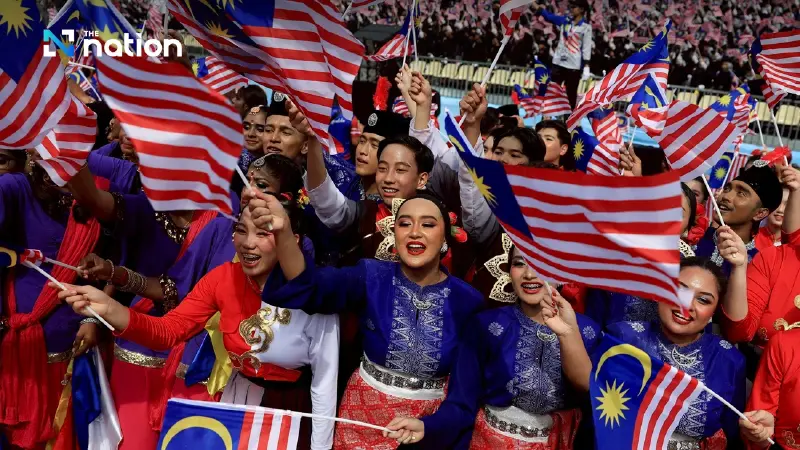


On August 31 each year, Malaysians come together to commemorate Merdeka, the day their nation achieved independence from British rule in 1957.
Known officially as Hari Merdeka, this national holiday stands as a reminder of the sacrifices made for freedom and the values of unity that continue to define Malaysia.
The road to independence
Malaysia’s path to independence was neither easy nor straightforward. In the aftermath of the Second World War, the British sought to consolidate their colonies in the region under the Malayan Union, a plan that met fierce resistance from local leaders and communities.
The opposition stemmed largely from concerns that the Union would weaken Malay sovereignty and diminish the powers of the sultans.
By 1948, the Federation of Malaya was formed, paving the way for a more representative form of government. A decade later, after extensive negotiations and compromises across ethnic and political lines, independence was finally granted.
On August 31, 1957, Tunku Abdul Rahman, the nation’s first prime minister, declared Merdeka before a jubilant crowd at Merdeka Stadium in Kuala Lumpur.
His iconic cry of “Merdeka!” seven times has since echoed through history as a symbol of national pride.
In 1963, the federation expanded to include Sabah, Sarawak, and Singapore, creating Malaysia. Though Singapore would later separate in 1965, the event underscored the challenges of managing a multi-ethnic, multi-religious society while also highlighting the enduring importance of unity in sustaining the federation.

National Day traditions
National Day, or Hari Kebangsaan, is marked by large-scale celebrations across the country, with the official parade traditionally held in the capital, Kuala Lumpur, or in other major cities such as Putrajaya.
The centrepiece is the grand parade featuring the Malaysian Armed Forces, police, school contingents, civil servants, and cultural troupes.
The Jalur Gemilang, Malaysia’s national flag, is proudly displayed, while patriotic songs such as Negaraku resound across the gathering.
Cultural performances often highlight Malaysia’s diversity, with dances, costumes, and music representing Malay, Chinese, Indian, and indigenous traditions.
The day also typically includes fireworks, concerts, and community events.
For Malaysians abroad, embassies and diaspora groups organise their own celebrations to maintain ties with home.
In recent years, “human graphics”, formations by thousands of students creating symbolic phrases and patterns, have become a highlight, underscoring the creativity and collective spirit of the younger generation.

Merdeka 2025: Malaysia Madani
This year’s National Day, themed Malaysia Madani: Rakyat Disantuni (Compassionate Malaysia: Caring for the People), drew more than 100,000 people to Dataran Putrajaya.
The celebrations featured 81 contingents with over 14,000 participants, 21 marching bands, decorated floats, military assets, and even service animals.

Prime Minister Anwar Ibrahim, delivering his National Day address on 30 August, urged Malaysians to reject those who seek to divide the nation along lines of race, religion, or territory. “Unity has been the cornerstone of Malaysia’s success from the very beginning,” he said, reminding the younger generation that independence came at a cost. “There have been countless sacrifices: lives, property, tears. Whatever we have achieved came at a price.”
Anwar’s message resonated with the historical spirit of Merdeka, that independence was won not by one group alone but through cooperation among all communities.
He also warned that no country could endure if it allowed itself to be torn apart by division.

The celebration was graced by Their Majesties Sultan Ibrahim, King of Malaysia, and Raja Zarith Sofiah, Queen of Malaysia, whose arrival delighted the crowd.
The monarch himself drove a blue Proton Satria Neo into the parade grounds, adding a memorable personal touch.
The event also showcased an elaborate “human graphics” performance by 2,000 students, praised by Anwar as “the best performance in Malaysia’s history”. With patriotic medleys and iconic phrases such as Daulat Tuanku and Rukun Negara spelled out in perfect synchrony, the display reflected Malaysia’s enduring national spirit.
A day of reflection and pride
For Malaysians, National Day is not merely a holiday but a reaffirmation of identity and purpose. It is a reminder of the struggles endured, the sacrifices made, and the unity required to sustain a diverse nation. From the first cry of Merdeka in 1957 to the vibrant parades of today, the message remains clear: Malaysia’s strength lies in its diversity, and its future depends on the continued pursuit of unity.
As the country looks ahead, the words of Prime Minister Anwar Ibrahim echo the sentiment that has carried Malaysia through decades of change: independence is not only about the freedom to govern but also about the responsibility to remain united.
