
NSC decides to maintain the closure of Thailand-Cambodia border checkpoints
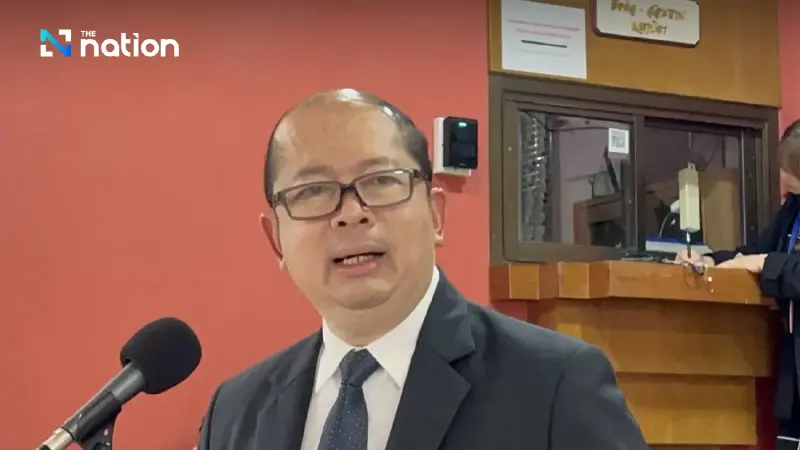


NSC maintains current measures on military and border checkpoint closures, provides support for those affected by war-related stress and suicides, and directs Ministry of Interior to assist 2,000 households
Chatchai Bangchuad, Secretary-General of the National Security Council (NSC), briefed the media on the results of the NSC meeting held on Thursday (October 2).
He highlighted key issues discussed, including the resolution of the Thailand-Cambodia conflict. The meeting agreed in principle to continue measures previously endorsed by the NSC, including military measures, border control policies, border checkpoint management, and the regulation of people and goods, all of which remain in effect. Efforts will also be made to enhance communication to ensure unity in approach.
On the foreign affairs front, proactive diplomacy, led by Foreign Minister Sihasak Phuangketkeow, will continue to play a central role.
In addition, the meeting addressed the issue of providing support for those affected, particularly those who may be overlooked, such as individuals experiencing stress or pressure that lead to suicide due to the conflict.
The NSC has tasked relevant agencies with expanding the definition of support and ensuring the welfare of these individuals.
Furthermore, the meeting assigned the Ministry of Interior the responsibility of assisting the approximately 2,000 households affected by the conflict.
He also stated that the NSC meeting approved the draft policy for managing and developing the southern border provinces for the years 2025-2027, in accordance with the legal framework.
This policy is the result of collaborative efforts from all sectors within the three southern border provinces and will provide direction on security and development.
The policy will be translated into five languages and shared globally to demonstrate Thailand’s commitment to addressing southern issues through peaceful means.
It will also reflect the country's focus on both security development and dialogue processes, which remain key components of the ongoing policy.
The policy will be presented to the Cabinet, and the law is unique in that it mandates a presentation to Parliament as the next step.
Additionally, the NSC meeting approved the appointment of a new head for the Peace Dialogue Panel, General Somsak Rungsita, former Secretary-General of the National Security Council, who has extensive experience in security issues.
He will form a team and set up the necessary components to continue the peace dialogue process.
