
Hong Kong property group calls for US$2.6 bn fund to stabilise market
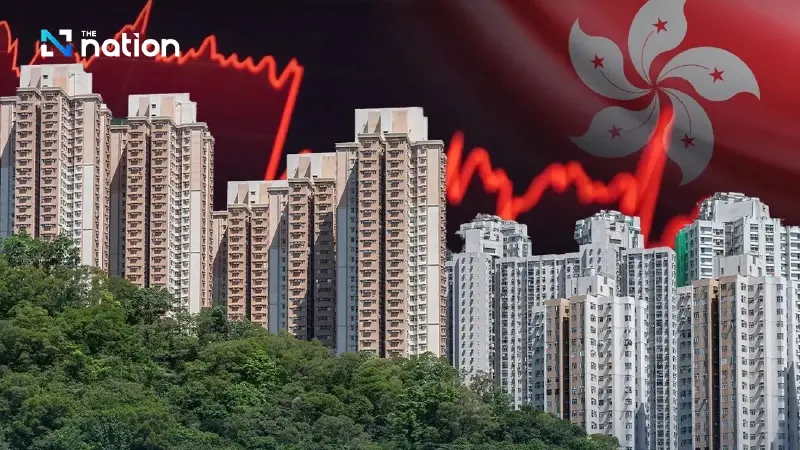


Hong Kong property chamber calls for HK$20bn fund to stabilise distressed assets, warning the slump threatens the city’s role as a financial hub.
A Hong Kong real estate association is calling on the government to create a HK$20 billion (US$2.6 billion) stabilisation fund to support distressed property assets and curb systemic financial risks.
The Hong Kong and International Chapter of the China Real Estate Chamber of Commerce said the city’s prolonged property slump is driving up non-performing loans, triggering forced asset sales and tightening liquidity for developers and investors. If left unchecked, it warned, the downturn could erode Hong Kong’s status as a leading financial centre.
“This is a vicious cycle. Banks are offloading assets cheaply, becoming reluctant to issue new loans,” said Charles Lam, the chamber’s permanent honorary president. “That creates a liquidity squeeze, fewer new projects, and risks a domino effect across finance and property.”
The chamber proposed a fund seeded by government or quasi-government agencies such as the Hong Kong Monetary Authority (HKMA) and the Hong Kong Mortgage Corporation, each contributing 25% of initial capital alongside institutional investors, with the remaining half available to the public.
It suggested the fund could later list on the stock exchange, modelled on the Tracker Fund created during the 1998 Asian Financial Crisis.
Major developers, including Hongkong Land, Link Asset Management and Sino Land, are members of the chamber, which stressed the need for urgent measures to revive the sector. Lawmaker Louis Loong has also urged the government to rezone more commercial land for residential or mixed-use projects to ease oversupply.
Non-performing loans in Hong Kong climbed to US$25 billion at the end of March, a two-decade high equal to 2% of total credit, according to Fitch Ratings.
The ratio may rise to 2.3% by year-end, the steepest increase in the Asia Pacific. Office and retail property values have plunged nearly 50% from their 2018 peaks, eroding collateral and fuelling bank seizures of assets.
