
Senate votes to end US shutdown after weeks of political standoff
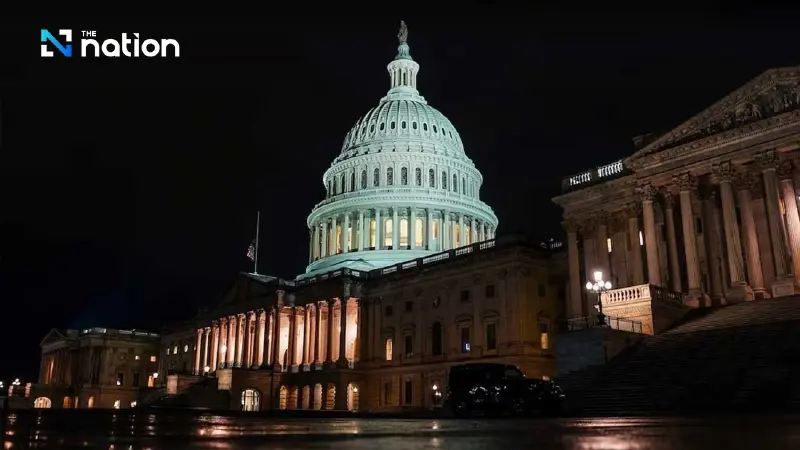


The US Senate on Monday (November 10) passed a bipartisan agreement to end the nation’s longest government shutdown, easing a weeks-long impasse that disrupted food aid for millions, left hundreds of thousands of federal employees unpaid, and caused widespread air traffic delays.
The bill was approved in a 60–40 vote, backed by nearly all Republicans and eight Democrats who had sought to attach a provision extending healthcare subsidies due to expire at year’s end. While the measure sets up a December debate on those subsidies, which support some 24 million Americans, it offers no guarantee they will be renewed.
The agreement would restore funding for federal agencies that lost appropriations on October 1 and halt President Donald Trump’s efforts to shrink the civil service, blocking any layoffs until at least January 30.
The legislation now heads to the Republican-controlled House of Representatives, where Speaker Mike Johnson said he hopes to approve it by Wednesday and send it to President Trump, who has described the deal as “very good.”

Under the plan, the government would remain funded through January 30, keeping Washington on track to add roughly US$1.8 trillion a year to the national debt, which has already reached US$38 trillion.
The deal came a week after Democrats scored key election victories in New Jersey, Virginia, and New York City, triggering frustration among party members who noted that the bill contains no guarantee Republicans will later support renewing healthcare aid.
“We wish we could have done more,” said Senate Democratic Whip Dick Durbin of Illinois. “The shutdown seemed like a chance to push for better policy, it didn’t work out that way.”
A Reuters/Ipsos poll conducted in late October found that 50% of Americans blamed Republicans for the shutdown, while 43% blamed Democrats.

US stock markets rose on Monday following news of progress toward reopening the government.
While the deal restores operations, it does not include restrictions preventing the president from making unilateral spending cuts, a practice that has drawn criticism from Democrats, who say Trump’s previous actions to cancel projects and reduce payrolls infringed upon Congress’s constitutional spending powers.
The bill does, however, guarantee funding for the SNAP food subsidy programme through September 30, next year, ensuring that millions of low-income Americans will not face disruptions even if another shutdown occurs before then.
Reuters
