
76% of needy youths in Japan see rising food costs: survey
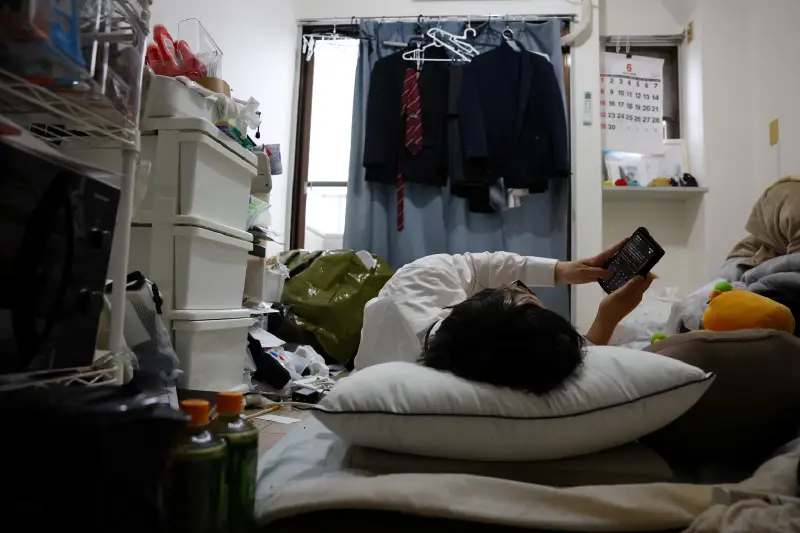


A survey by a nonprofit organisation has shown that 76% of needy young people in Japan saw an increase in their monthly food expenditure compared with last year, amid ongoing inflation.
DxP, the organisation based in the western city of Osaka, which supports young people in need, said that some respondents have reduced the number or amount of meals they eat.
The survey was conducted in November on 8,502 people who use DxP's consultation service via the free messaging app Line. Valid responses came from 440 people, aged 21.3 on average.
According to the survey, 62.3 % of respondents, the largest group, cited food as an area of expenditure that increased from the previous year. While 76.0 % said that their monthly food spending has increased year on year, 6.0 % said their food costs remain the same or have decreased.
Asked how to counter rising food costs, with multiple answers allowed, 63.7 % of those who experienced higher food expenditure, the biggest chunk, said they look for lower-priced ingredients.
They were followed by 43.7% who reported reducing the amount or number of meals, and 32.0% who stated they had worked more. Some respondents borrowed money in various ways, such as using cash advances and consumer finance services, to cover their food costs.
In a free comment section, a 20-year-old woman said she had no choice but to rely on eating instant noodles in disposable cups due to high rice prices and that she got ill from eating them so frequently.
A 19-year-old woman stated that her take-home pay has not kept up with the rise in the cost of living, complaining that food ingredient prices are high.

"While prices have risen, the amounts of scholarships and take-home pay have not changed, creating a serious situation in which people cannot help but cut food costs," said DxP head Noriaki Imai. "We hope the central and local governments will enhance food support as soon as possible."

[Copyright The Jiji Press, Ltd.]
