
Modernform sets sights on SEZ
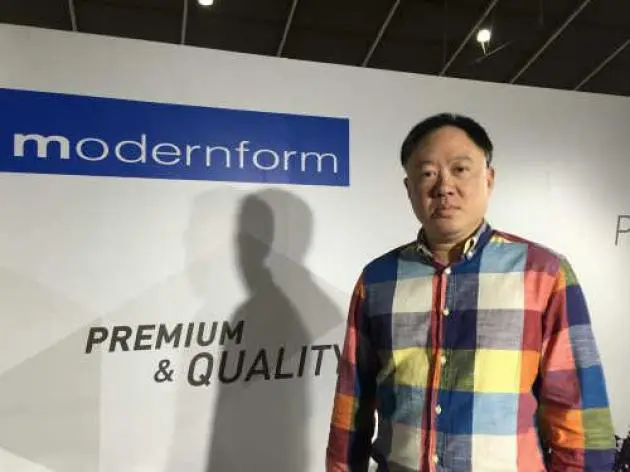


In the wake of a huge construction boom in Myanmar, Thai furniture company Modernform Group is planning to build a factory in the special economic zone (SEZ) in Tak province, from which to export its products to corporate clients in the neighbouring count
"We are anticipating very good feedback from Myanmar, a market that we first entered three years ago. The company has a number of dealers and a showroom in an upscale shopping centre, Junction Square, in Yangon," said assistant vice president Tummanit Suphanochakul.
Modernform Group’s sales revenue from Myanmar last year came in at about Bt10 million.
He said that since Myanmar announced it was taking the path to economic reform, international investors had been flocking to the country for business expansion |and exploration.
Such huge demand presents a tremendous opportunity for a furniture manufacturer like Modernform, he said, adding that average growth in this type of business was 20 per cent to 30 per cent a year in Myanmar.
The company focuses on supplying its products to small to medium-sized firms with about 10 to 20 employees that want to set up offices in Yangon and other key cities, while also targeting new real-estate projects – both office buildings and condominiums.
To prepare for the growing opportunity that the market presents, Modernform is planning to build a furniture factory in the Tak SEZ, close to the border with Myanmar.
The laying of the cornerstone for the new factory is expected to take place in the next three to five years, and the overall investment in the facility will be in the range of Bt100 million to Bt150 million, said Tummanit.

"Before making a decision, we want to make sure that our annual sales revenue from Myanmar grows to between Bt30 million and Bt50 million in the next three years. Another issue is that Modernform Group is also waiting for corporate incentives for investors in the SEZ, which will soon be finalised by the Thai government," he explained.
Apart from receiving SEZ benefits, the company will be able to take advantage of hiring labour from Myanmar, as well as logistics management.
He added that his company would link up with Japan-based office-furniture firm Itoki (Thailand) to make it easier to jump on the Myanmar bandwagon, particularly after the Asean Economic Community comes into effect at the end of this year.
"Myanmar is a very promising overseas market for furniture business," he said.
The construction industry in Myanmar is growing exponentially, with a compound average growth rate of 20 per cent and an annual growth rate of at least 8 per cent.
The residential and infrastructure sectors combined account for almost 80 per cent of the entire industry, especially residential projects, which have 49 per cent of the market for an investment value of about US$1.5 billion (Bt53.35 billion).
According to Myanmar’s Department of Human Settlement and Housing Development, only 7,000 houses are currently being constructed, but annual demand appears to be around 20,000 units.
The Myanmar government has indicated its willingness to cooperate with the private sector in the construction industry in key cities such as Yangon and Mandalay, while carrying out construction in other areas of the country using government loans.
Modernform also exports to Cambodia, Laos, Vietnam, China, the Middle East, India, Bangladesh and Uganda. About 40 per cent of exports are to China.
Last year’s combined exports came in at Bt90 million, with Bt120 million expected this year.
The company aims to reach Bt200 million in overseas shipments within the next three years, said Tummanit.
