
Bangkok police name 5 areas to avoid on October 12–18
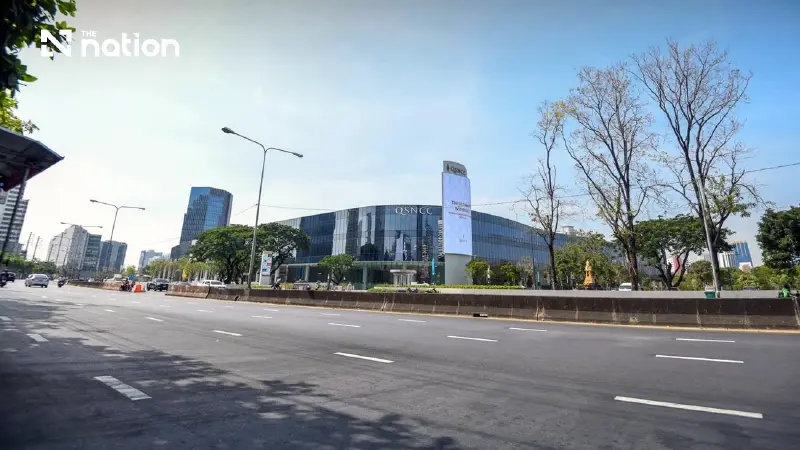


Bangkok government staff will work from home on October 12, 14 and 15, with a special holiday on October 16 to ease IMF–World Bank meeting traffic.
- Bangkok police are advising motorists to avoid five key areas from October 12-18 due to the IMF and World Bank annual meetings at the Queen Sirikit National Convention Center (QSNCC).
- The specific areas affected are sections of Ratchadaphisek Road, Sukhumvit Road (Nana, Asok, Phrom Phong), Rama IV Road, Benjakitti Park, and routes from airports to central Bangkok.
- Special traffic and security measures will be implemented to accommodate delegate motorcades, which may cause significant delays and congestion.
- To help ease traffic, the government has designated October 16 as a special holiday for its Bangkok staff and encouraged work-from-home arrangements on other days.
Bangkok’s Metropolitan Police Bureau is urging travellers to plan ahead and avoid five key routes and areas during the International Monetary Fund (IMF) and World Bank Group annual meetings on October 12–18, 2026. Special security and traffic measures around the Queen Sirikit National Convention Center (QSNCC) and connecting roads may affect journeys through the capital’s central business districts.
Security and traffic arrangements for the IMF–World Bank meetings are intended to accommodate world leaders, executives of international financial institutions and delegates from around the world. Police may adjust traffic flows to allow participants’ motorcades to pass.
Five Bangkok routes and areas to avoid during IMF–World Bank meetings
Travellers are advised to avoid the following five routes and areas where possible during the October 12–18 meetings:
- Ratchadaphisek Road: The section between the Rama IV intersection and the Asok-Sukhumvit intersection, including roads surrounding Benjakitti Park.
- Sukhumvit Road: The Nana, Asok and Phrom Phong areas, where senior delegates are staying in hotels and travelling along key routes.
- Rama IV Road: Particularly the Khlong Toei area and the roads in front of the Queen Sirikit National Convention Center.
- Benjakitti Park: Services are being adjusted and some sections temporarily closed. Access is subject to designated entrances and exits, with restrictions on cars and bicycles in accordance with announcements from the relevant authorities.
- Airport-to-hotel routes: Roads linking Suvarnabhumi and Don Mueang airports with hotels in central Bangkok, including the Sukhumvit and Rama IV areas, may be subject to special traffic arrangements for delegates’ motorcades.
Bangkok government staff get October 16 holiday and remote-working days

Government agencies in Bangkok have been instructed to arrange work from home on October 12, 14 and 15. The government has also designated October 16 as a special government holiday in the capital to reduce vehicle numbers and ease congestion.
Bangkok motorists are being asked to avoid using private cars around QSNCC and nearby roads, particularly on October 16.
Private companies and state enterprises have been asked to consider adjusting their working arrangements as appropriate. Customers of banks and other financial institutions should check the relevant official announcements for details of services during the meeting period.
Bangkok travellers advised to use rail services and check traffic notices
Travellers who need to pass through the affected parts of Bangkok are encouraged to use the Metropolitan Rapid Transit (MRT) system at Queen Sirikit National Convention Centre or Sukhumvit stations, or the Bangkok Mass Transit System (BTS) Skytrain at Asok station.
Bangkok road users should allow extra journey time and check the latest road closure announcements and diversion routes before setting out. Updates should be followed closely through traffic police, the Bangkok Metropolitan Administration and other relevant agencies.
Traffic controls during the IMF–World Bank meetings may change according to conditions and security requirements, making advance journey planning particularly important.
