
Pakistan says Iran to let 20 more ships cross Hormuz
Islamabad says Tehran will allow two Pakistani-flagged vessels a day through the Strait of Hormuz, a rare easing as Pakistan steps up efforts to cool the Iran war.
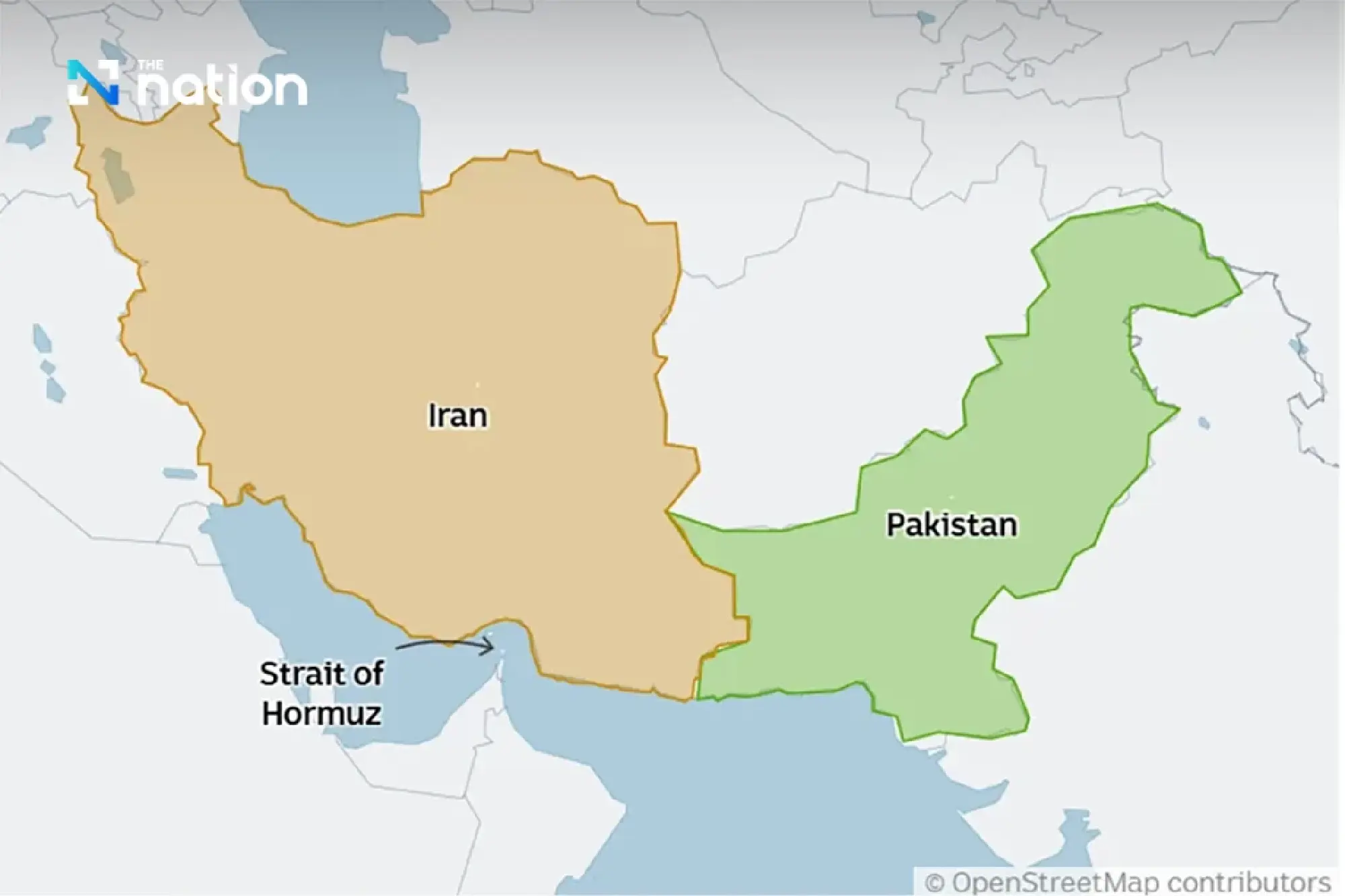
Pakistan said on Saturday that Iran had agreed to let 20 additional Pakistani-flagged ships pass through the Strait of Hormuz, with two vessels to cross each day, in what Islamabad described as a constructive step towards de-escalation. Deputy Prime Minister and Foreign Minister Ishaq Dar announced the arrangement in a post on X.
Rare easing in a choked waterway
The agreement offers one of the few signs of relief in a strategic chokepoint that normally carries about a fifth of the world’s oil and liquefied natural gas. Reuters reported on March 23 that traffic through the strait had fallen by about 95% from pre-war levels after the conflict began on February 28, leaving hundreds of vessels waiting in and around the Gulf.
Iran has said it may permit passage for what it calls “friendly” countries while blocking vessels linked to the United States, Israel or their allies. Reuters also reported this week that Malaysian vessels were being allowed through after regional talks, while a Thai oil tanker and India-bound LPG tankers had also managed to transit under limited arrangements.

Pakistan leans into mediator role
The shipping deal comes as Pakistan deepens its diplomatic push over the month-old war. Reuters reported that Islamabad is hosting Saudi Arabia, Turkey and Egypt for talks starting Sunday, while Pakistan has been shuttling messages between Washington and Tehran and has offered to host any eventual negotiations.
Earlier this week, Reuters reported that a US proposal to end the war had been conveyed to Tehran through Pakistan, and that Iran’s president told Pakistani Prime Minister Shehbaz Sharif that trust would be essential for any mediation effort. That wider diplomacy helps explain why Islamabad is portraying the new shipping access not just as a transport arrangement, but as a small opening for broader de-escalation.
