
Malaysia says US trade pact no longer applies after tariff ruling
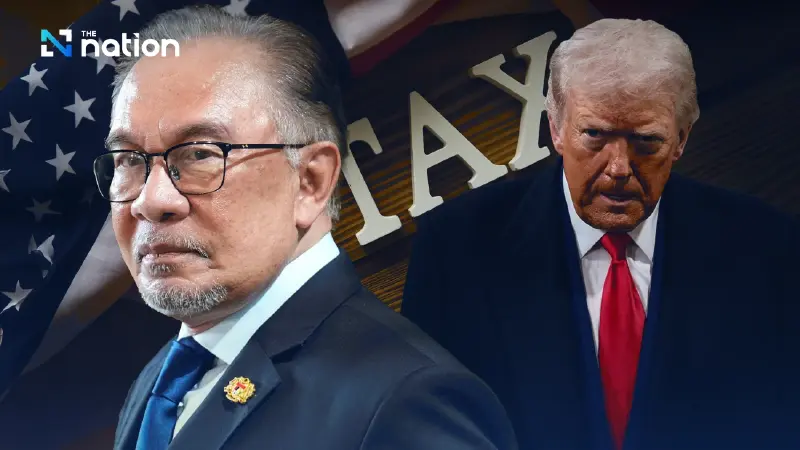


Putrajaya says the legal basis for its tariff deal with Washington has collapsed, raising fresh uncertainty for exporters from electronics to palm oil and rubber.
Malaysia has said its Agreement on Reciprocal Trade (ART) with the United States is no longer applicable after a US Supreme Court ruling undermined the tariff regime that had supported the deal. Investment, Trade and Industry Minister Johari Abdul Ghani said on March 15 that the pact was not merely on hold but “null and void”, arguing that the court had rejected the blanket tariff approach tied to the International Emergency Economic Powers Act.
The economic stakes are significant. The US is Malaysia’s third-largest trading partner and second-largest export market, while the ART had been promoted as a way to protect exports and jobs in electrical and electronics, palm oil, rubber and other manufactured goods. Under the agreement signed on October 26, 2025, the US would maintain a 19% reciprocal tariff on Malaysian imports, with zero-tariff treatment for selected products. MATRADE said those exemptions covered 1,711 tariff lines worth about US$5.2 billion, or roughly 12% of Malaysia’s exports to the US in 2024.
The trigger was the Supreme Court’s February 20 ruling in Learning Resources v. Trump, which turned on whether IEEPA authorises a president to impose tariffs. After the decision, the White House shifted to Section 122 of the Trade Act of 1974, imposing a temporary 10% ad valorem import duty for 150 days from February 24.
Even so, the pact’s final legal status has since become less straightforward. Subsequent Malaysian reporting said Putrajaya had received no formal notice from Washington and was still awaiting the next US move, suggesting the issue may yet be resolved through further negotiations rather than a clean break.
Meanwhile, the Trump administration has opened new Section 301 investigations into 16 trading partners, including Malaysia, as it tries to rebuild tariff pressure through other legal routes. That leaves Malaysian exporters facing a more uncertain near-term outlook, even after the original tariff framework was struck down.
