
Exports disrupted — Thai rice loses ground in Middle East
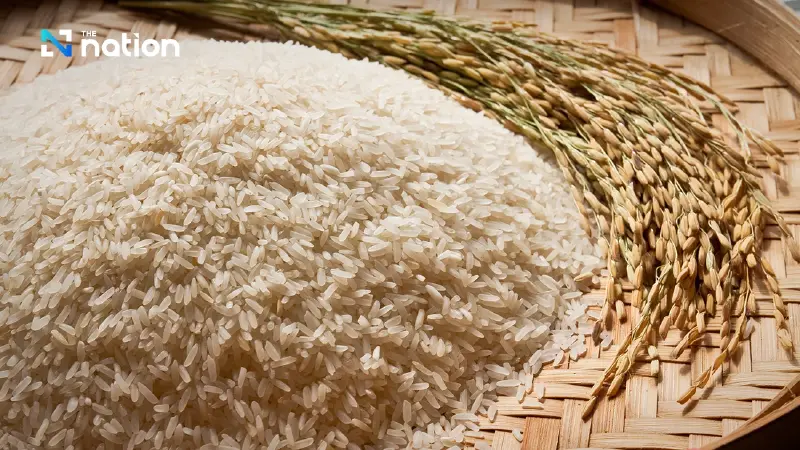


Thai rice exports risk missing the 7m-tonne target as the Iran war halts shipments to Iraq and drives up logistics costs
Thailand’s rice exporters say the Iran war has dealt a major blow to shipments to the Middle East, wiping out more than 200,000 tonnes of exports over the past three months.
Chookiat Ophaswongse, honorary president of the Thai Rice Exporters Association, said Thailand’s rice exports remained active in all major markets during the first four months of 2026, except the Middle East, where shipments had been suspended for three months because of the war.
As a result, Thailand exported only 2.2 million tonnes of rice in the first four months of the year, below target. If the current trend continues at the same monthly average, total exports for 2026 may reach only 6.6 million tonnes, falling short of the 7-million-tonne target.
Chookiat said the main reason for the shortfall was the loss of the Iraqi market. Under normal conditions, Thailand exports around 80,000-90,000 tonnes of rice to Iraq each month, or about 1 million tonnes a year, making it Thailand’s largest rice export market.
However, since the conflict erupted in the Middle East, exports to Iraq have stopped completely. One cargo vessel that was in the process of loading rice had to unload the shipment and return the goods to shore because the ship could not depart.
“Since the war began, there has not been a single rice shipment to Iraq. Over the past three months, Thailand has lost more than 200,000 tonnes in exports to the Middle East,” Chookiat said.
He added that Asian markets were still helping support overall export volumes, especially Malaysia and the Philippines, where demand for Thai rice has risen sharply.
Malaysia, for example, has expanded its rice reserve stockpile from three months to nine months, forcing it to increase purchases significantly to meet the higher reserve requirement.
However, Thai rice exports are also under pressure from logistics costs, freight charges and insurance premiums, which have risen by around 20% in line with higher global oil prices.
Arada Fuangtong, director-general of the Department of Foreign Trade, also gave an update on Thailand’s government-to-government rice sales to China.
She said Thailand had already delivered the first 40,000-tonne G2G rice shipment to China in early 2026. Negotiations are now under way for a second lot, as China continues to show demand for Thai rice. The next shipment is expected to total around 50,000-60,000 tonnes.
However, Arada said the process must be submitted to the Cabinet and the newly appointed National Rice Policy and Management Committee for approval because Thailand has been going through a government transition.
She said the deal would continue, with further rice orders expected under the existing agreement. Thailand currently has a memorandum of understanding covering 280,000 tonnes, while the department is preparing to ask the Cabinet to approve an additional 220,000 tonnes, bringing the total target to 500,000 tonnes as planned.
