
Thailand braces for higher oil prices as fund deficit tops THB80bn
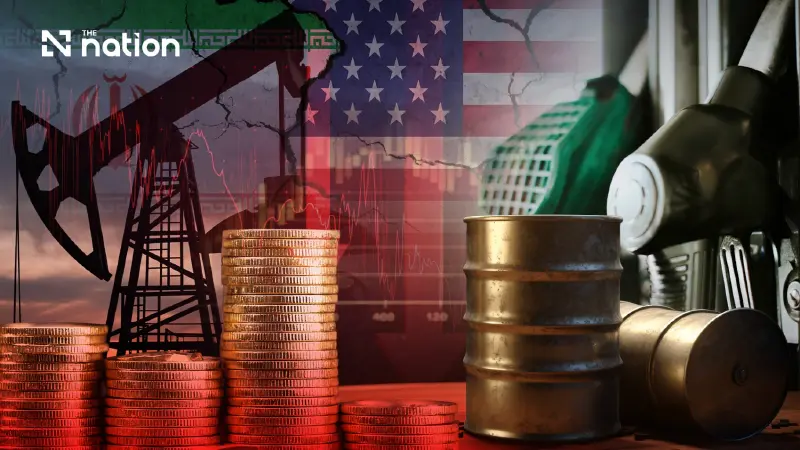


Thailand warns global oil prices may rise further after renewed US-Iran fighting, while the Oil Fuel Fund deficit exceeds THB80 billion.
Thailand’s Energy Ministry has warned that global oil prices could remain highly volatile and continue rising after renewed fighting between the United States and Iran, while the country’s Oil Fuel Fund is running a deficit of more than 80 billion baht.
Veerapat Kiatfuengfoo, deputy permanent secretary and spokesman for the Energy Ministry, said the ministry was closely monitoring the conflict because the latest escalation was directly affecting the stability of global energy markets and pushing crude prices higher.
Brent crude rose from US$88.13 to US$94.65 a barrel, an increase of 7.4%.
US West Texas Intermediate crude climbed from US$83.38 to US$90.22 a barrel, up 8.2%, while Dubai crude increased from US$82.70 to US$88.75, a rise of 7.32%.
The ministry expects international energy prices to remain highly volatile, with further increases possible while the renewed conflict continues.
The government will continue measures intended to ease the impact on households, including a refinery-gate diesel price reduction in effect until September 15, 2026, and the use of the Oil Fuel Fund to help manage domestic prices.
Although the fund’s balance is now more than 80 billion baht in deficit, the government will continue managing the mechanism to limit the effect of rising energy costs on the public. The fund recorded a deficit of about 80.47 billion baht as of August 30.
The Energy Ministry is also encouraging motorists with compatible vehicles to use E20, which is about 5 baht per litre cheaper than gasohol 91.
The ministry said Thailand had sufficient ethanol production capacity and that many cars and motorcycles could use E20. Thirteen leading vehicle brands have confirmed that compatible models can operate on the fuel.
The ministry said it would continue monitoring global oil prices and developments in the conflict to ensure that refinery-gate price measures and the Oil Fuel Fund provide as much relief as possible amid continuing uncertainty in global energy markets.
