
Thailand Pushes US Trade Talks Ahead Despite Midterm Shift, Says Suphajee
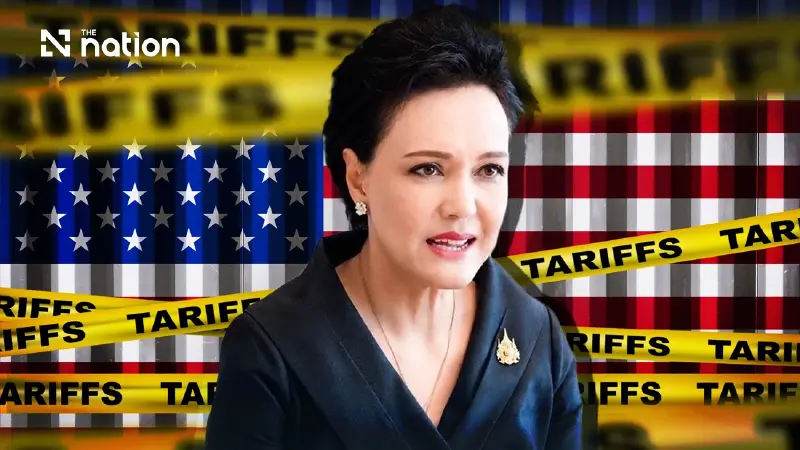


Deputy Prime Minister Suphajee Suthumpun says Thailand will press ahead with ART talks as Washington navigates new Congressional dynamics and tariff policy
- Thailand will continue to pursue a Reciprocal Trade Agreement (ART) with the United States despite the recent US midterm election results.
- Deputy Prime Minister Suphajee Suthumpun stated that talks can proceed because the US President retains executive authority over foreign trade policy, even with a new Congress.
- The trade agreement is considered vital for Thailand to maintain its export competitiveness and provide stability, as the US is expected to continue using tariffs and other trade measures.
Deputy Prime Minister Suphajee Suthumpun says Thailand will press ahead with ART talks as Washington navigates new Congressional dynamics and tariff policy.
Thailand is pressing ahead with Reciprocal Trade Agreement (ART) negotiations with the United States despite the outcome of the US midterm elections, Deputy Prime Minister and Minister of Commerce Suphajee Suthumpun has affirmed.
Suphajee noted that the midterm election results could compel the US administration to approach new trade policies and measures with greater caution. Domestic economic pressures, including the rising cost of living and inflation, served as central issues for voters during the poll.
She added that a Democratic majority in Congress is expected to strengthen checks and balances on the executive branch. Enhanced legislative scrutiny over policy and budget decisions could influence the direction of US economic strategy moving forward.
However, Suphajee emphasised that bilateral trade talks will continue uninterrupted, as President Donald Trump retains executive authority over foreign trade policy.
Washington is expected to maintain its reliance on trade measures under existing legal frameworks, such as Section 301 and Section 232, while continuing to utilise tariffs.
Given these conditions, Suphajee stressed that securing an ART remains vital for Thailand to preserve its export competitiveness in the American market while providing necessary clarity and stability for domestic trade and investment.
Over the longer term, Thailand will closely monitor how shifts in US legislative priorities, budgeting, and industrial support policies could impact global economic conditions, international trade, and investment flows.
