
Arsenic and styrene exceed reference levels in Prachin Buri residents amid industrial waste concerns
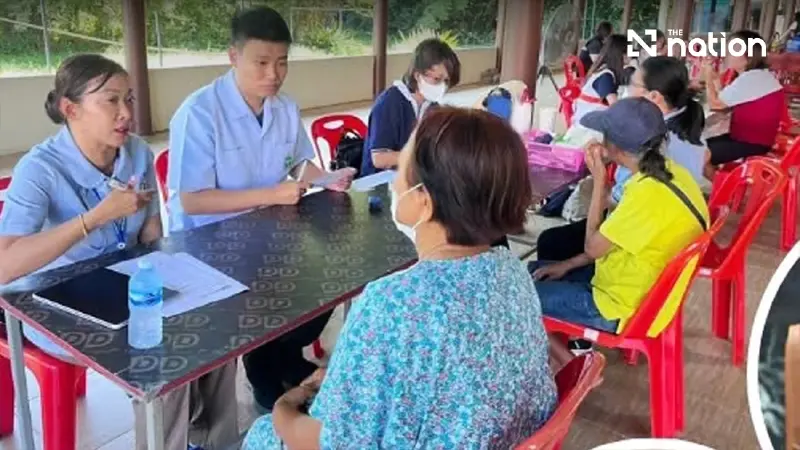


Prachin Buri health checks found arsenic above reference levels in two people and styrene in two, as officials monitor 116 residents near an industrial waste landfill.
Thailand's Department of Disease Control (DDC) has reported arsenic and styrene levels exceeding reference values in tests involving residents of Prachin Buri, as health authorities intensify monitoring following water seepage from an industrial waste landfill.
Laboratory results identified two people with arsenic levels above the reference value and two with elevated styrene readings. Authorities are continuing health assessments and medical follow-ups to address concerns about possible long-term exposure to industrial pollutants.

DDC Director-General Dr Montien Kanasawadse explained that the department was working with the Prachin Buri Provincial Public Health Office to strengthen both proactive health screening and ongoing medical surveillance in affected communities.
Occupational medicine specialists, together with medical teams from Chao Phraya Abhaibhubejhr Hospital and Si Mahosot Hospital, have deployed mobile health units to Khok Pip and Khu Lam Phan subdistricts in Si Mahosot district.
The teams are monitoring 116 residents who reported skin-related symptoms, including itching and redness, while providing medical examinations, diagnoses and health advice.

Laboratory tests identify elevated chemical levels
DDC Deputy Director-General Dr Anek Mungaomklang provided details of the health assessments and laboratory screening conducted among residents considered at risk.
Of the 116 people targeted for follow-up, 45 attended mobile health examinations, representing approximately 39% of the group.
Laboratory testing covered several substances associated with potential environmental exposure.
Arsenic screening was conducted on 65 people, with two recording levels above the reference value.
Styrene testing involved 74 people, with two also recording readings above the reference value.
The department additionally tested 11 people for cadmium and 74 each for toluene and benzene.
Health officials are continuing to assess the findings and monitor residents to determine whether further medical investigations are necessary.

Most residents report improved symptoms
Initial health assessments found that approximately 82% of those examined had recovered, with their symptoms returning to normal.
Residents who continued to experience symptoms were referred to local hospitals for further treatment.
Medical teams also followed up with people who did not attend the mobile examinations and found that most had experienced improvements in their conditions.
The DDC will maintain health surveillance in the communities and continue coordinating with local medical services to ensure that residents requiring additional care receive appropriate treatment.
Hospitals to strengthen occupational and environmental healthcare
To improve long-term protection against industrial pollution, the DDC and Prachin Buri Provincial Public Health Office are developing a more comprehensive health monitoring system.
Local hospitals and healthcare facilities will be encouraged to apply for registration as occupational and environmental medicine service units under the Occupational and Environmental Diseases Control Act 2019.
The initiative aims to strengthen local capacity for assessing environmental health risks, conducting detailed medical examinations and monitoring people potentially exposed to hazardous substances.
It would also establish a more systematic approach to disease surveillance, diagnosis and treatment, helping healthcare providers respond to possible long-term effects of industrial pollution.
Residents advised to avoid potentially contaminated water
The DDC has urged people living in areas at risk of contamination to follow public health precautions.
Residents should avoid direct contact with water seeping from industrial waste disposal sites, contaminated sediment and natural water sources suspected of containing hazardous chemicals.
Anyone experiencing unusual symptoms, particularly itchy skin, redness, irritation or respiratory problems, should seek medical attention promptly.
The public is also encouraged to follow official health updates and contact the DDC hotline on 1422, available 24 hours a day, for further information.
