
Thai feed makers seek urgent 2027 import plan to avert shortages
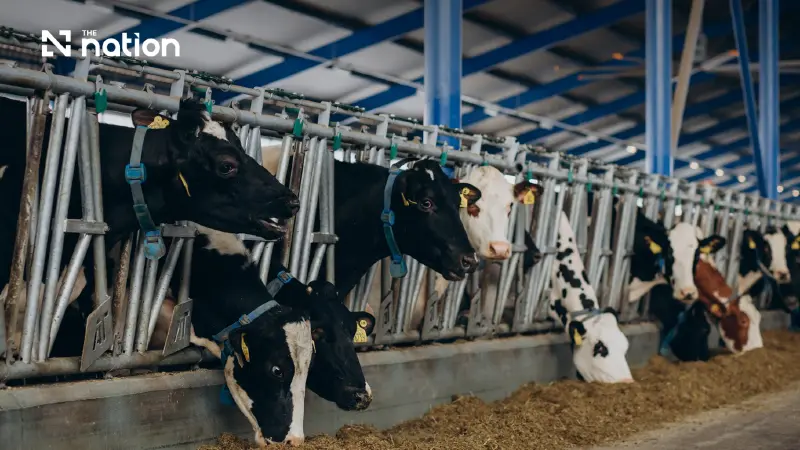


The Thai Feed Mill Association is pressing for a decision on wheat and feed maize imports for 2027, citing dwindling supplies and the risk of costly port delays.
- Thailand's animal feed industry is urging the government to finalise its 2027 import policy for wheat and feed maize to avert supply chain disruption.
- Manufacturers warn that without a decision, they cannot arrange imports, which have a three-to-six-month lead time, creating a significant risk of raw material shortages.
- A policy delay could also cause imported shipments to be held at ports, incurring substantial daily costs for importers and increasing overall production expenses.
Thailand's animal feed industry has called for an urgent government decision on wheat and feed maize imports for 2027, warning that further delays could lead to severe raw material shortages, disrupt factory production and increase costs.
Pornsil Patchrintanakul, president of the Thai Feed Mill Association, issued an open letter to Deputy Prime Minister and Minister of Commerce Suphajee Suthumpun, who chairs the Maize Policy and Management Committee.
The association called for the committee to meet urgently to finalise the 2027 import policy for wheat and feed maize under the existing 3:1 measure.
The latest appeal follows three earlier letters from the Thai Federation of Livestock and Aquaculture, which represents 20 member associations, including the Thai Feed Mill Association. Those letters also called for the committee to settle the 2027 import arrangements, citing concerns over raw material supplies and the industry's ability to plan ahead.

Risk of feed ingredient shortages
According to the association, feed manufacturers face two major risks if the government fails to finalise the policy before the current import regulations expire.
The first is a potentially severe shortage of feed ingredients, as businesses are unable to make firm import arrangements without knowing the rules that will apply in 2027.
Planning, purchasing and receiving imported feed ingredients typically takes three to six months. Any uncertainty over import regulations could therefore leave manufacturers without sufficient supplies and disrupt their production schedules.
The association reported that deliveries of domestically produced feed maize to factories had already declined despite the ongoing harvest season.
As a result, feed manufacturers have been forced to draw on their reserve stocks to maintain production, adding to concerns about the availability of raw materials in the coming months.

Import delays could push up production costs
The second concern involves potential disruption to factory operations and additional costs arising from delayed imports.
Some manufacturers have already placed large advance orders for wheat to meet production requirements in January 2027.
However, if the government fails to approve and announce the new import measures before the existing regulations expire, these shipments could face delays at Thai ports.
The association highlighted a similar disruption in early 2026, when imported soybeans were held at ports because they could not be cleared through normal customs procedures.
According to the association, demurrage charges can reach approximately THB1 million per vessel per day when ships remain at ports beyond their permitted waiting periods.
A recurrence of these problems could impose substantial additional costs on importers and increase overall animal feed production expenses.
Industry calls for swift policy decision
The Thai Feed Mill Association therefore urged the government to convene the Maize Policy and Management Committee as soon as possible to finalise the 2027 import arrangements.
It stressed that a timely decision would help manufacturers plan their raw material purchases, maintain adequate supplies and reduce the risk of costly disruptions to production.
