
Dutch embassy site’s three plots offer mixed-use potential
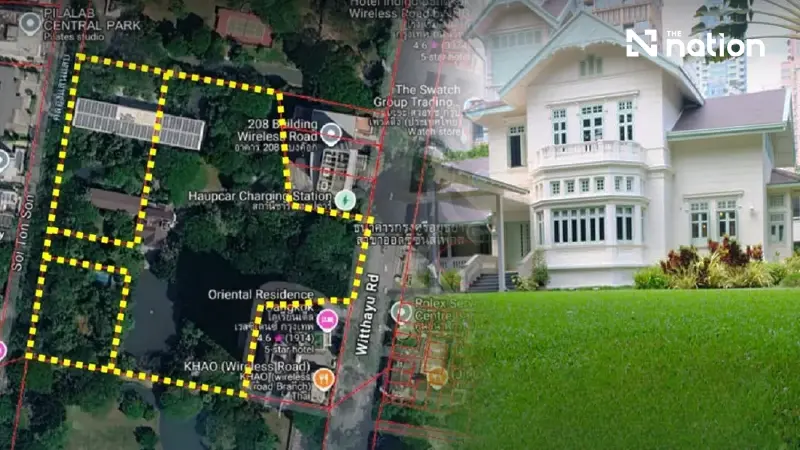


Bangkok’s Dutch embassy site offers mixed-use potential on rare freehold land, although buyers, a sale price and development plans remain unconfirmed.
- The former Netherlands embassy site on Bangkok's Wireless Road has been subdivided into three separate plots.
- Its large size, prime freehold status, and extensive road frontage make it suitable for a major mixed-use development.
- A proposed city plan would grant the site the highest possible development density, further enhancing its potential.
- While prominent property developers are rumored to be involved, the buyers, price, and specific development plans remain unconfirmed.
The Netherlands embassy site on Bangkok’s Wireless Road has been divided into three plots, Thansettakij reported on Sunday (October 18, 2026). The property’s size and freehold status offer potential for a major mixed-use development, although the buyers and development plans remain unconfirmed.
The Netherlands embassy land, which was previously put up for sale, covers 19 rai, 3 ngan and 26.6 square wah, or about 3.17 hectares, with frontage on Wireless Road and Soi Ton Son. Thansettakij also reported that existing buildings had been demolished.

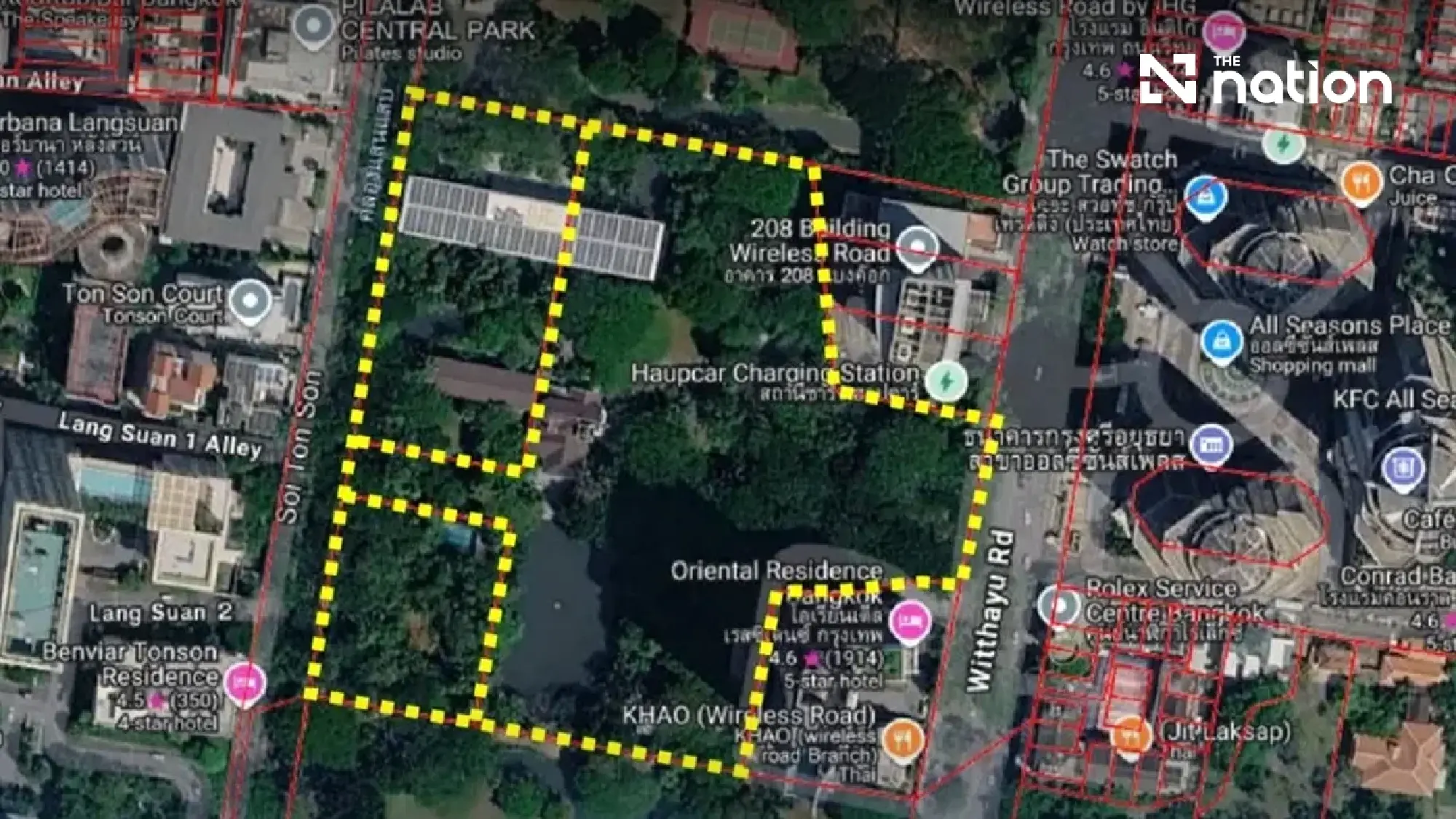
Thansettakij cited information on the Department of Lands website showing that the Netherlands embassy land, previously held under a single title deed, had been subdivided as follows:
- Plot 1: 13 rai, 2 ngan and 10.6 square wah, fronting Wireless Road and Soi Ton Son.
- Plot 2: 4 rai and 11.5 square wah, fronting Soi Ton Son.
- Plot 3: 2 rai, 1 ngan and 4.5 square wah, fronting Soi Ton Son.
Freehold scarcity strengthens Dutch embassy site’s appeal
Surachet Kongcheep, head of research and consulting at Cushman & Wakefield Thailand, told Thansettakij that the embassy site combined a favourable plot shape, extensive frontage on both roads and a prime location where freehold land was difficult to find.
Surachet suggested that the embassy land could be the last large freehold plot of its kind in central Bangkok, not just in the area around Lumphini Park.
Thansettakij’s assessment considers a single-use development unlikely given the embassy site’s size, with a mixed-use scheme potentially reflecting the different specialisms of the investors involved.
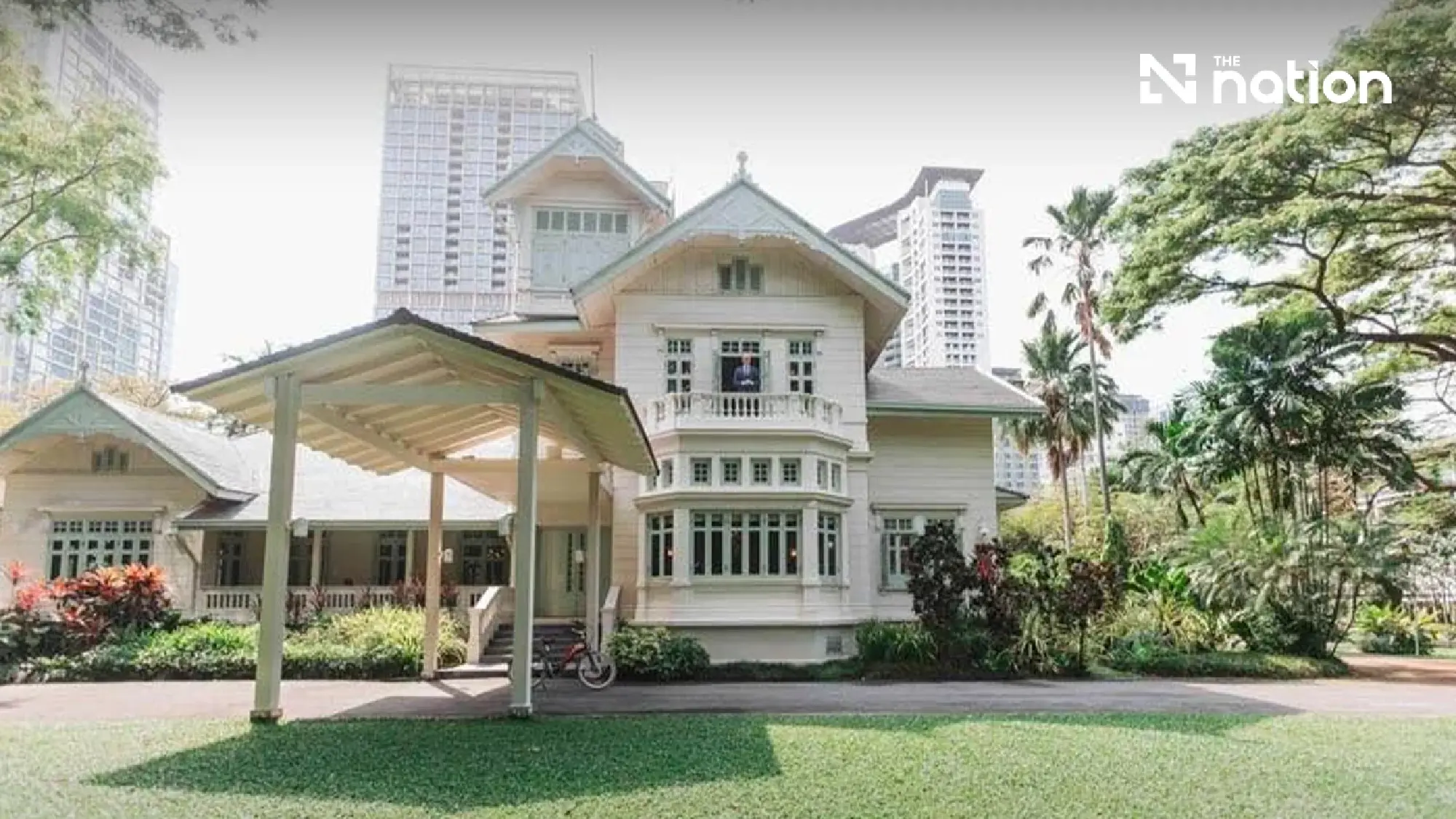

Draft Bangkok plan offers high-density development potential
The Netherlands embassy site would qualify for a floor area ratio (FAR) of 10:1 under the proposed fourth revision of Bangkok’s comprehensive city plan, according to Thansettakij’s assessment. The ratio, which compares total building floor area with land area, is the highest in the draft.
Thansettakij’s analysis places the embassy land in the draft plan’s red commercial zone, category 8, with scope for all types of property development, including a large mixed-use scheme. The proposed open space ratio (OSR), comparing open space with total building floor area, is 3.5, the draft’s lowest level.
Wireless Road has a road reserve wider than 16 metres, which Thansettakij’s analysis identifies as sufficient to avoid road-width restrictions on the types of development at the embassy site. Together with the proposed planning ratios, the road frontage gives the land the highest development potential under the draft plan, according to the assessment.
Thansettakij described the draft Bangkok plan as undergoing a 90-day public notification period, with implementation expected in 2027. The planning provisions remain proposals rather than confirmed development approvals for the embassy site.

Piyasombatkul and Chali linked to unconfirmed land deal
Thansettakij reported widespread speculation that the Piyasombatkul family and property developer Chali Sophonpanich had pooled funds to acquire the embassy land. Speculation also put the potential transaction value above 10 billion baht, although neither the buyers nor the price had been confirmed.
The Piyasombatkul family’s property interests include hotels and serviced apartments in Thong Lo, Sukhumvit Soi 30, Soi Ton Son and Silom, many of which the family has developed and managed for years. The family also holds shares in listed Nirvana Development Public Company Limited.
Chali’s property interests include City Realty Co., Ltd., a condominium developer in the Rama IX area, as well as Chatrium hotels and serviced apartments, Bangkok Garden and office buildings.
Chali’s wider interests also encompass shopping centres developed with The Mall Group at EmDistrict and Shrewsbury International School Bangkok’s Riverside campus. City Realty has additionally partnered with Hong Kong’s Swire Properties on a luxury condominium project on Wireless Road.
Both the Piyasombatkul family and Chali tend to retain ownership of land, judging by the types of projects they develop, according to Thansettakij’s analysis.
Thansettakij also cited unconfirmed reports that Bangkok Dusit Medical Services Public Company Limited (BDMS), founded by Dr Prasert Prasarttong-Osoth, could participate in developing the embassy site. The division into three parcels suggests the possibility of three development partners, but does not establish that such an arrangement exists.
Hotels and healthcare among possible embassy site uses
A mixed-use project on the Netherlands embassy land could combine hotels and serviced apartments, which Thansettakij’s analysis considers well suited to the location. A hospital, wellness centre or another healthcare facility could also feature if BDMS participates, drawing on the group’s expertise.
The embassy land’s freehold status could also make a condominium component attractive, because ownership could be sold outright. Thansettakij’s assessment identifies a scarcity of comparable freehold condominiums in the immediate area, noting that some are available in Soi Ruamrudee and Soi Ton Son but judging those locations less advantageous than the embassy site.
City Realty’s nearby luxury condominium venture with Swire Properties had only recently launched and was still selling units, according to Thansettakij. The analysis suggests that Chali’s company might therefore avoid developing another condominium project on the embassy land that would compete with its existing scheme.
Thansettakij reported no confirmation of an ownership transfer or the eventual buyers of the embassy land. The site’s development mix and the involvement of any of the parties linked to it therefore remain uncertain.
Source: Thansettakij
