
Commerce Ministry to raise Malaysia shrimp ban at WTO, ASEAN as 13 relief measures rolled out
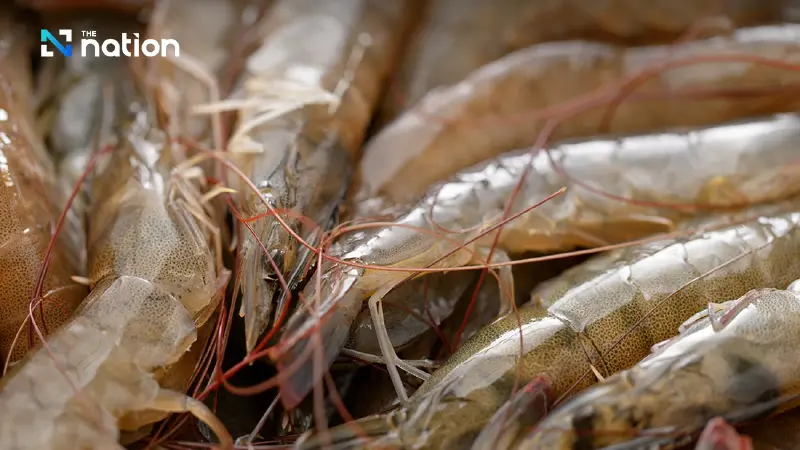


Thailand’s Commerce Ministry will escalate Malaysia’s suspension of five Thai shrimp species to WTO and ASEAN discussions while pushing 13 urgent measures to redirect exports, absorb 400 tonnes a month and protect the seafood trade.
Thailand will escalate Malaysia’s suspension of imports of five Thai shrimp species to the World Trade Organization and ASEAN, while pursuing a broader package of measures to limit the economic impact, Deputy Prime Minister and Commerce Minister Suphajee Suthumpun said on Saturday.
The move marks a shift from short-term domestic market support to a wider trade response aimed at protecting Thai seafood exporters and producers.
Suphajee said the government was moving on several fronts to limit the economic fallout from the Malaysian measure, which took effect on June 1, while seeking both short-term market channels and longer-term trade solutions.
The response signals that Bangkok is treating the shrimp ban not only as a domestic supply-management problem, but also as a bilateral trade issue that could affect confidence in Thailand’s seafood export supply chain.
Ministry shifts from domestic absorption to trade defence
The Commerce Ministry has instructed the Office of Commercial Affairs in Kuala Lumpur to closely monitor developments, while Thai fisheries and food-standard agencies prepare urgent consultations with Malaysian authorities.
Suphajee said Thailand was ready to raise the issue through relevant international mechanisms, including WTO and ASEAN channels, while continuing efforts to negotiate a practical solution with Malaysia.
The move follows concerns that Malaysia’s suspension was imposed at short notice. Thai officials said Malaysia notified Thailand on May 28 before the ban took effect on June 1, leaving little time for Thailand to clarify the matter or prepare advance remedial measures.


13 measures aim to absorb 400 tonnes a month
The Commerce Ministry has assigned agencies at home and abroad to implement 13 urgent measures aimed at absorbing at least 400 tonnes of Thai shrimp per month.
According to Commerce Ministry figures, Thai shrimp exports to Malaysia in 2026 averaged about 300-400 tonnes per month, worth around 44 million baht.
The Department of International Trade Promotion will push Thai shrimp into alternative export markets through trade fairs, promotional events and buyer-matching activities. These include Top Thai Brands events in Kunming from June 11-16 and Xiamen from September 8-11, Thailand Week events in Dalian and Lanzhou, online business matching for shrimp operators, and promotion at the SIAL food exhibition in October.
Domestic sales, tourism channels and border trade
At home, the Department of Internal Trade will stimulate domestic consumption through the “Aroi Rim Lay” seafood festival in Phuket, while coordinating with department stores and local operators to channel shrimp supplies into key tourism provinces such as Phuket, Krabi and Trang.
The ministry will also open direct buying points in major production areas, including Songkhla, Nakhon Si Thammarat, Surat Thani and Chachoengsao, and connect farmers with buyers, exporters and processing plants.
The Department of Foreign Trade will help affected entrepreneurs sell products through border-trade fairs in Chanthaburi from June 19-22 and Sa Kaeo from July 9-12, while provincial commerce offices will support nationwide distribution through the Thai Chuay Thai Plus and Blue Flag schemes.
How the ban began
Malaysia’s suspension covers five Thai shrimp species: brown tiger prawn, banana prawn, whiteleg shrimp, giant tiger prawn and blue shrimp. The measure is due to remain in place until Thai agencies submit complete responses to Malaysia’s food-safety standards questionnaire, after which Malaysian authorities will reassess the suspension.
The dispute followed Thailand’s decision to tighten step-by-step inspections on imported sea bass from Malaysia, after Thai authorities said chemical and antibiotic residues had been detected in Malaysian sea bass, posing risks to Thai consumers. Malaysia has also introduced Certificate of Analysis requirements for Thai sea bass shipments.
Suphajee said the Thai government would continue to seek new markets, connect supply with processors and buyers, and use all available trade channels to minimise losses and protect Thai producers.
