
Thailand targets wider EU access for 3 food exports in 2026 deal bid
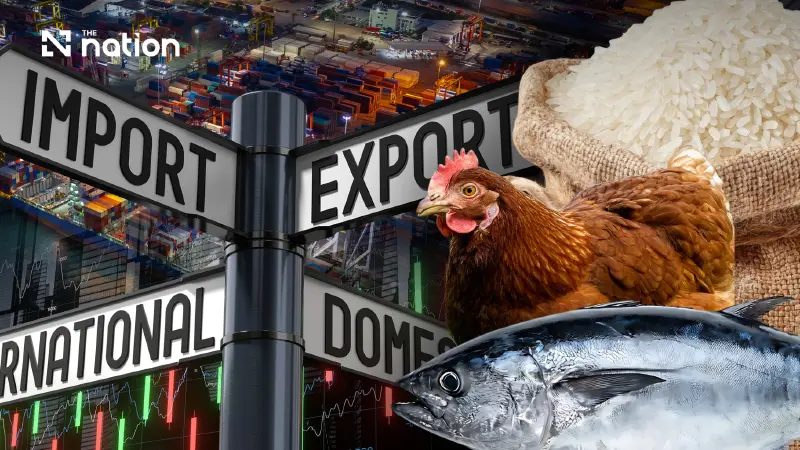


Thailand wants better EU access for white rice, chicken and canned tuna, while Dutch concerns focus on industrial policy and competition.
- Thailand is seeking improved European Union market access for three specific food exports: white rice, chicken, and canned tuna.
- This request is part of the ongoing negotiations for a Thailand-EU free trade agreement (FTA), which both sides aim to conclude by the end of 2026.
- To advance its goals, Thailand has formally asked the Netherlands, an important EU member, to support its bid for better market access for these products.
Thai Trade Representative Werapong Prapha has asked the Netherlands to support better European Union (EU) market access for white rice, chicken and canned tuna, as both countries back efforts to conclude Thailand–EU free trade negotiations by the end of 2026.
Werapong discussed the proposed free trade agreement (FTA) with Sjoerd Sjoerdsma, the Netherlands’ Minister of Foreign Trade and Development Cooperation, at the Dutch Embassy in Thailand. The talks also covered the direction of economic cooperation and the global trading environment.
Thailand’s request for support from the Netherlands, an important EU member, is intended to secure market-opening terms that deliver tangible benefits for Thai businesses and the public, Werapong said.
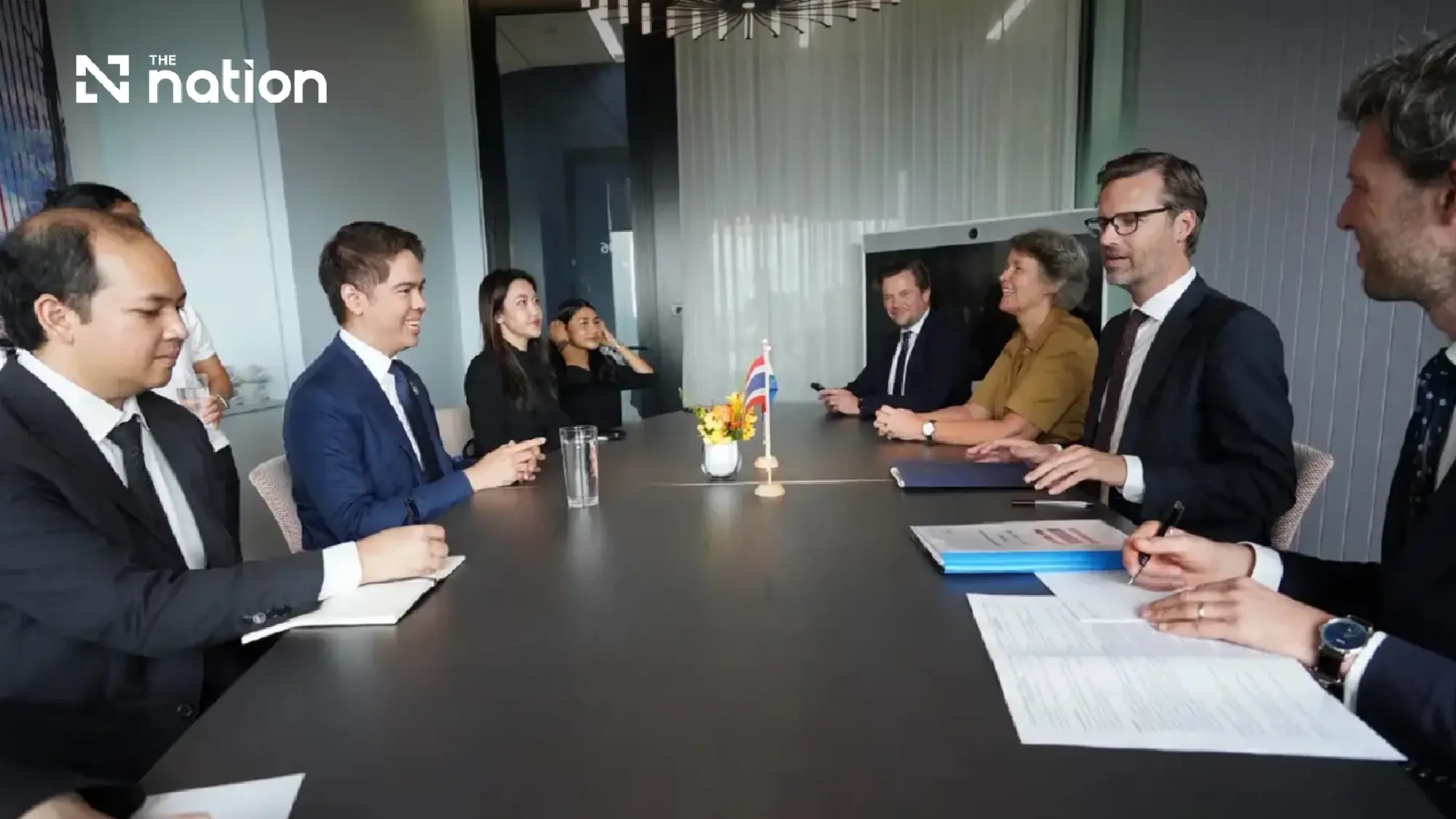

Thailand and Netherlands balance FTA timetable with terms
Thailand and the Netherlands supported accelerating the FTA negotiations towards a conclusion in 2026, while balancing speed with the quality of the agreement and building acceptance among the sectors affected, according to Werapong.
The Thai–Dutch discussions also examined the balance between opening agricultural and industrial goods markets. Werapong emphasised the importance of concrete outcomes acceptable to all sectors.
The Netherlands raised concerns about industrial policy and trade competition during the discussions, Werapong said. Those issues are important to both the Dutch side and the wider EU.
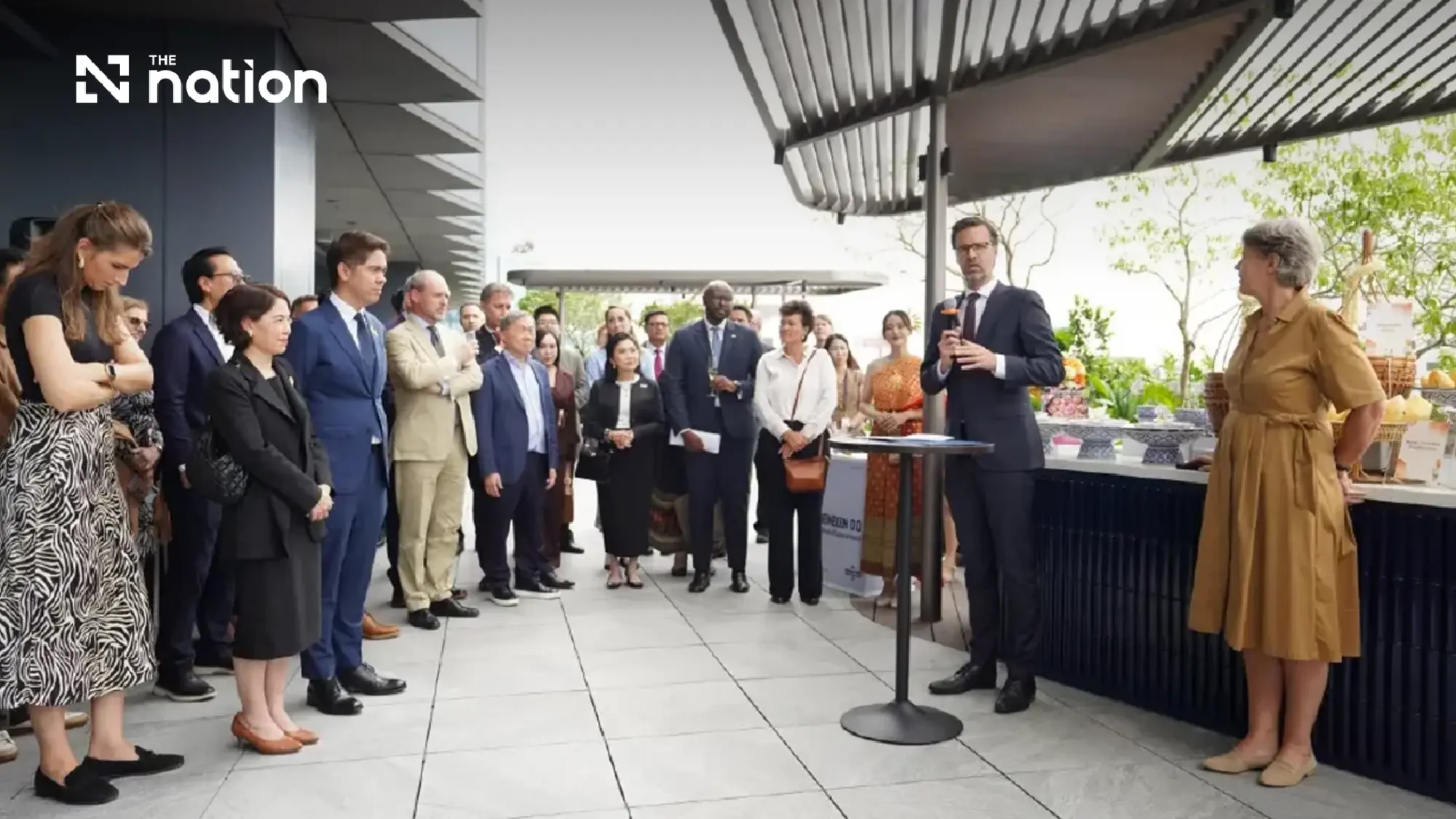

Thai–Dutch business discussions cover investment priorities
Following the ministerial talks, Werapong exchanged views with Thai and Dutch business representatives attending the opening of the Dutch Embassy’s new premises in Thailand.
Businesses represented at the embassy opening included FrieslandCampina (Foremost), East-West Seed, Signify, KLM Royal Dutch Airlines, Central Group, Indorama Ventures, Siam Cement Group (SCG) and Thai Union.
Thailand used the business discussions to emphasise its ambition to be a mutually supportive and dependable trading partner, Werapong said. The Thai side also outlined efforts to drive economic growth through structural reforms and promote more transparent and predictable trade rules.

Thailand’s approach to attracting investment focuses on priority areas including advanced technology, medical tourism, electric vehicles, upgrading agricultural and food value chains, and clean energy, according to Werapong.
Netherlands ranks second among Thailand’s EU trade partners
The Netherlands is Thailand’s 19th-largest trading partner worldwide and its second-largest within the EU. Bilateral trade totalled US$7,967.56 million in 2025, accounting for 1.16% of Thailand’s total trade.
Thai exports to the Netherlands amounted to US$7,019.53 million in 2025, while imports from the Netherlands totalled US$948.03 million.
Thailand’s main exports to the Netherlands included computers and related equipment and components, electrical transformers and components, other electrical appliances and components, integrated circuits, and meat and edible offal.
Thailand’s principal imports from the Netherlands included integrated circuits, machinery and components, chemicals, medical and pharmaceutical products, and scientific and medical instruments and equipment.
