
Summer alert: Hepatitis A cases double, doctors warn on raw food and dirty ice
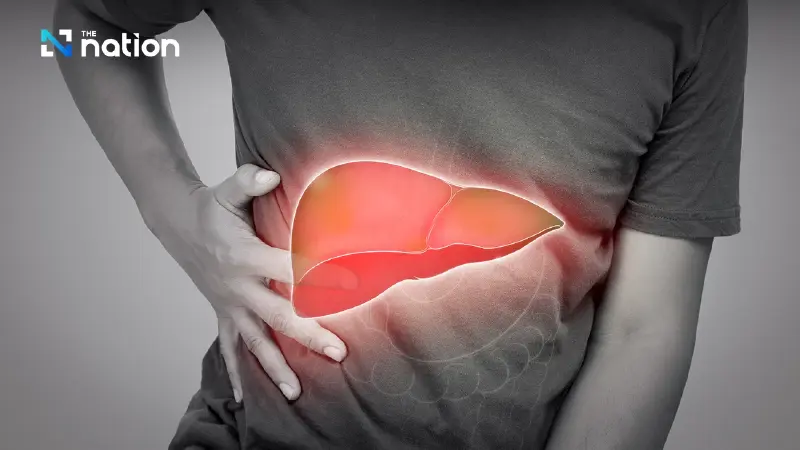


Disease Control Department warns hepatitis A cases have doubled, with the sharpest increases seen in Bangkok and eastern provinces
Division of Epidemiology under the Department of Disease Control has warned of a sharp rise in hepatitis A cases, with infections reported through the DDS surveillance system running at around twice the level seen in the same period last year.
The increase is being treated as a warning sign of possible summer outbreaks, particularly in the central and eastern parts of the country, including Bangkok, Chon Buri, Rayong and Chanthaburi.
The department said this is not just a matter of higher case numbers, but a sign that cluster outbreaks could emerge if the spread is not contained early.
In daily life, whether through meals eaten at work, food deliveries or cold drinks used to cool down in the heat, the virus may be present without people realising it.

Hepatitis A is a food- and water-borne infectious disease spread through the faecal-oral route. It is commonly linked to undercooked food, unsafe drinking water, or ice that does not meet hygiene standards.
Early symptoms are often unclear and may include fever, fatigue, loss of appetite and nausea before more distinctive warning signs begin to appear, such as jaundice, yellow eyes and dark urine.
However, some infected people may have no symptoms at all while still being able to spread the virus, making hepatitis A a silent threat that can circulate widely.

One of the main challenges is the disease’s long incubation period, which averages about 28 days. That means many patients do not know where they were infected.
At the same time, the virus can be transmitted before symptoms appear, allowing infections to build up in communities without being noticed quickly.
When outbreaks occur, tracing the source is not straightforward. Varied eating habits, food consumed from multiple sources, and symptom-free infections mean investigators often have to rely more on epidemiological links than on direct detection of a single source.
For that reason, disease control measures need to move faster than the virus, with early cluster detection, active case finding, and close monitoring of food and water safety.

The good news is that hepatitis A is preventable if transmission is stopped at the source.
The department advises people to eat thoroughly cooked food, drink clean water, avoid ice or food from uncertain sources, and wash their hands before every meal.
It added that hepatitis A is not just a disease, but also a reflection of how well people manage food hygiene and cleanliness.
This summer, whether the rise in cases becomes the start of a wider outbreak or a turning point for better prevention may depend on how seriously people take those precautions now.
