
Thai Health Ministry revises XDR-TB definition and symptoms



Thailand has revised XDR-TB drug-resistance criteria and warning symptoms under an existing dangerous disease listing, with the rules in force from November 10.
Thailand's Ministry of Public Health has revised the official definition and symptoms of extensively drug-resistant tuberculosis (XDR-TB), an illness already classified as a dangerous communicable disease, under regulations that took effect on November 10, 2026.
The revised criteria clarify the types of antibiotic resistance associated with XDR-TB and identify symptoms ranging from persistent coughing and weight loss to breathing difficulties. Severe cases can lead to respiratory failure and death.
The changes were published in the Royal Gazette on November 9 under the Ministry of Public Health's Notification on the Names and Key Symptoms of Dangerous Communicable Diseases (No. 6), 2026.
Signed by Public Health Minister Pattana Promphat, the notification updates provisions under the Communicable Diseases Act of 2015 to support disease surveillance, prevention and control.

Revised definition of extensively drug-resistant tuberculosis
Under the updated criteria, XDR-TB is defined as tuberculosis resistant to several important anti-tuberculosis medicines.
The disease must involve resistance to rifampicin, with or without resistance to isoniazid.
It must also involve resistance to at least one fluoroquinolone antibiotic, such as levofloxacin or moxifloxacin, together with resistance to at least one of two other medicines: bedaquiline or linezolid.
These criteria identify cases involving resistance to multiple groups of medicines used to treat tuberculosis.

Key symptoms and potential complications
The ministry identifies several symptoms associated with XDR-TB, including persistent coughing, coughing up blood, loss of appetite, unexplained weight loss, fatigue, fever, chest pain and shortness of breath.
Patients may also experience other symptoms depending on which organs are affected by the infection.
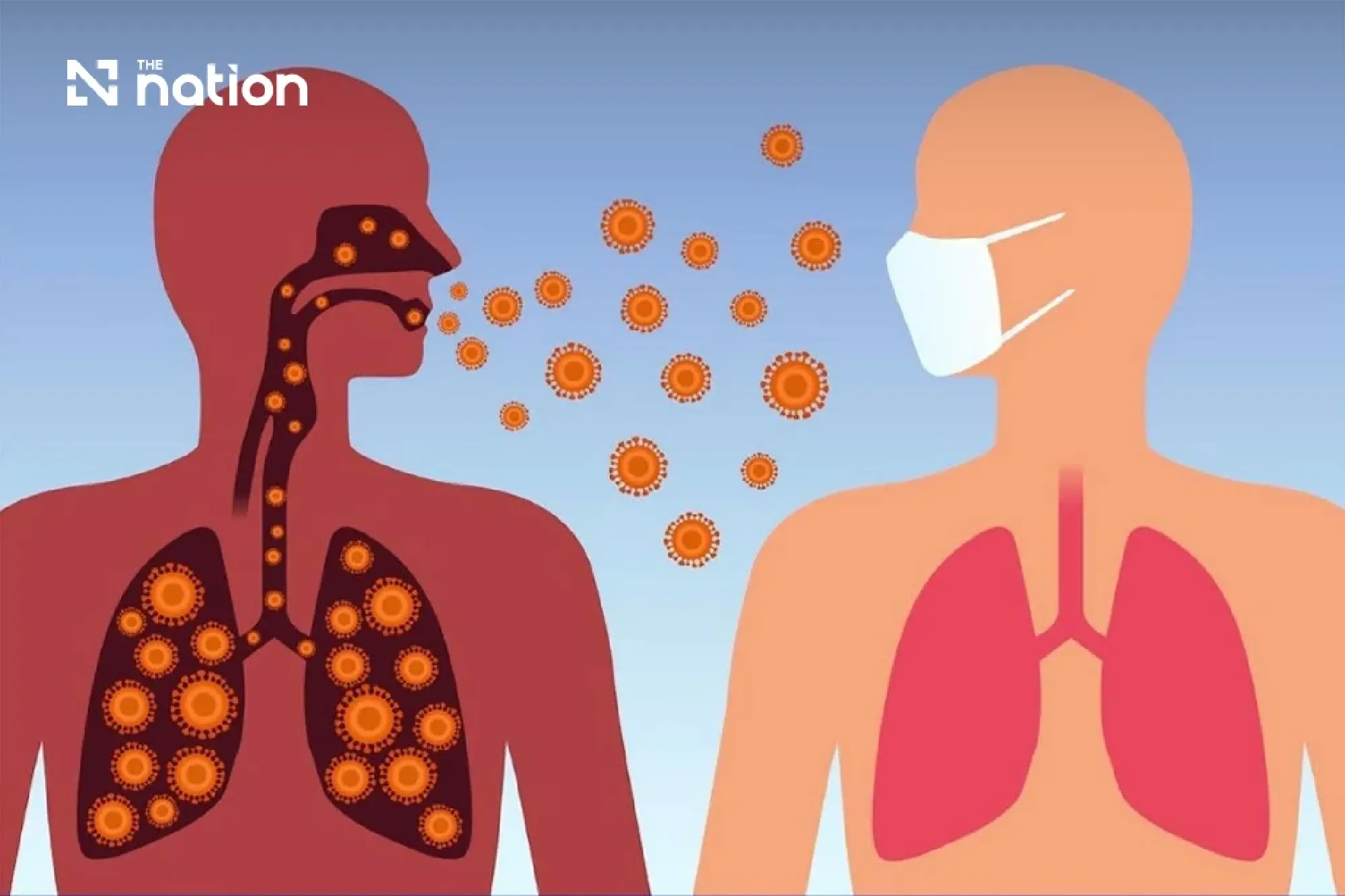
The disease can spread from one person to another, making effective surveillance and infection control important.
In severe cases, patients may develop respiratory failure, which can be fatal.
The revised notification came into force on November 10, the day after its publication in the Royal Gazette.
The ministry intends the updated criteria to support public health authorities in identifying cases and implementing appropriate measures to prevent and control the spread of the disease.
