
Kanit stands firm on lese majeste call


Play
Former premier Banharn Silpa-acha should carefully study the proposed amendment to the lese majeste law before passing any judgement on it, its key drafter said yesterday.
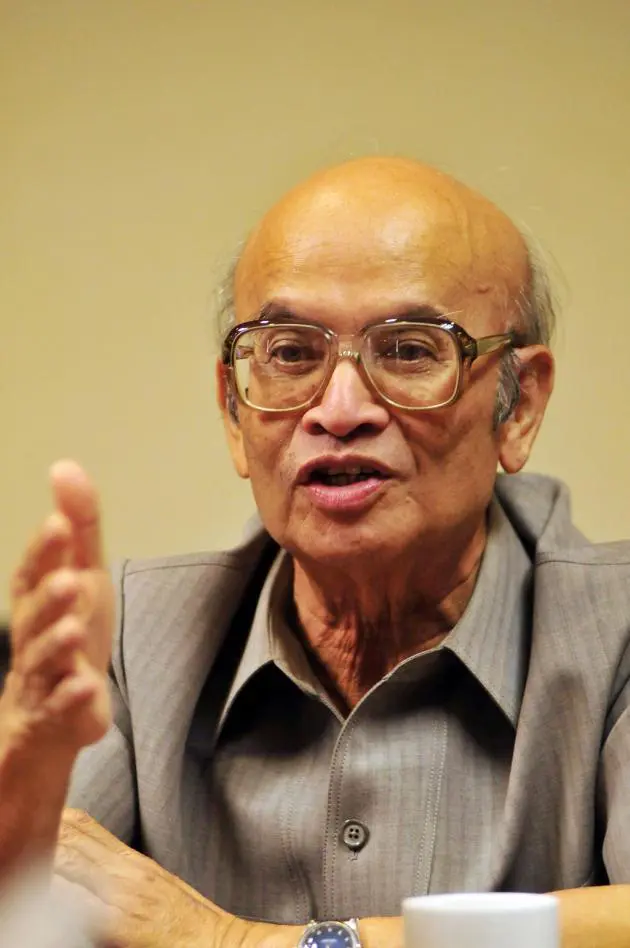
“I don’t know if his mind is sound. But before making any criticism please read the proposal I made to the prime minister first before making any comment,” said Kanit na Nakorn, chairman of the Truth for Reconciliation Commission (TRC).
Banharn, the de facto leader of the Chart Pattana Party, has joined a chorus of politicians opposing any revision to the controversial lese majeste law, which has seen a surge in prosecutions since the military coup of 2006.
Kanit told Thai Rath’s online news that TRC’s proposal was founded on academic research and was part of an impartial attempt to forge national reconciliation.
He questioned Banharn’s logic in thinking that the lese majeste law can be left intact without a cost to society.
The TRC’s proposal was just forwarded to Prime Minister Yingluck Shinawatra last Friday, he said.
It will be up to the government to make the final decision on what to do it.
The TRC had made a thorough study already and believes that this is the way to ease political tensions.
“This is not a proposal based on our feelings. It's based on academic principles and studies and so one needs to read about the proposed lese majeste law amendment first in order to understand it,” Kanit said.
However, he’s ready for any criticism, he added.
Deputy House Speaker Charoen Jankomol said the lese majeste law did not need to be revised because the problem was not with the way it was written, but the way it was abused by some people to crush their opponents.
However, the junta-sponsored 2007 charter needed to be changed to get rid of clauses that are essentially undemocratic, such as Article 291, which punishes a political party with dissolution for violating the election law, he said.
Vatchara Kannikar, spokeswoman of the Chart Thai Pattana Party, said a new charter would need a public referendum, but it could be called either before or after the redrafting process.
