
Gold, silver extend slide as CME hikes margins after rout
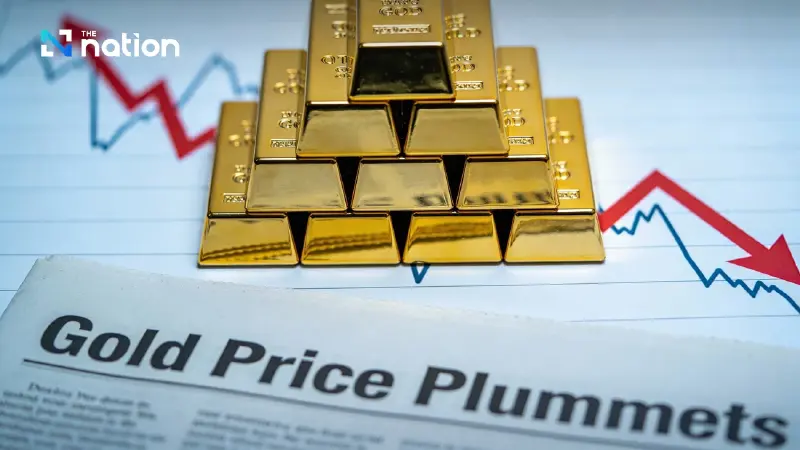


Gold and silver fell again on Feb 2 after last week’s historic sell-off, with CME margin hikes, a firmer dollar and easing geopolitical risk adding pressure
Gold and silver fell again on Monday (February 2, 2026), extending steep losses after a historic sell-off late last week, as a stronger US dollar, easing geopolitical risk and tighter trading conditions weighed on precious metals.
Spot silver fell sharply to around the high-US$70s per ounce, while spot gold dropped to the mid-US$4,600s. US gold futures also ended lower, with gold down roughly US$900 from its late-January record high.
A key additional headwind was a margin increase by CME Group. In a notice, the exchange said minimum performance bond requirements for Comex gold futures were raised to 8% from 6%, while Comex 5,000-ounce silver futures margins rose to 15% from 11%, effective after the close.
Market volatility intensified after a dramatic reversal on Friday, as expectations for US rate cuts collided with a sudden repricing of the Federal Reserve outlook following news that US President Donald Trump had proposed former Fed governor Kevin Warsh to succeed Jerome Powell when Powell’s term ends later this year. The shift helped lift the dollar and reduced the appeal of holding non-yielding bullion.
An economist at Interactive Brokers said the “buy America” trade had returned, while the rush into gold and silver for “independence” or hedging motives began to unwind after prices surged to record levels.
A strategist at CMC Markets described the move as a classic pullback after an exceptionally hot rally, rather than a collapse in the long-term bullish case, but warned that near-term swings could remain severe as profit-taking continues and markets wait for clearer policy signals.
Why the dollar matters: a firmer dollar makes dollar-priced metals less attractive for non-US buyers, while higher interest-rate expectations raise the opportunity cost of holding gold and silver, which do not pay interest.
Analysts: bull market may not be over
Despite the scale of the sell-off — described by some outlets as among the sharpest in decades — several analysts said the correction may help flush out excessive leverage and short-term speculation, creating scope for longer-horizon investors to reassess positions.
However, some market watchers cautioned it may be too early to conclude the market has found a bottom, with volatility likely to persist as traders adjust to the new margin regime and shifting expectations around US monetary policy.
