
Trump threatens tariffs on nations supplying oil to Cuba amid rising pressure campaign
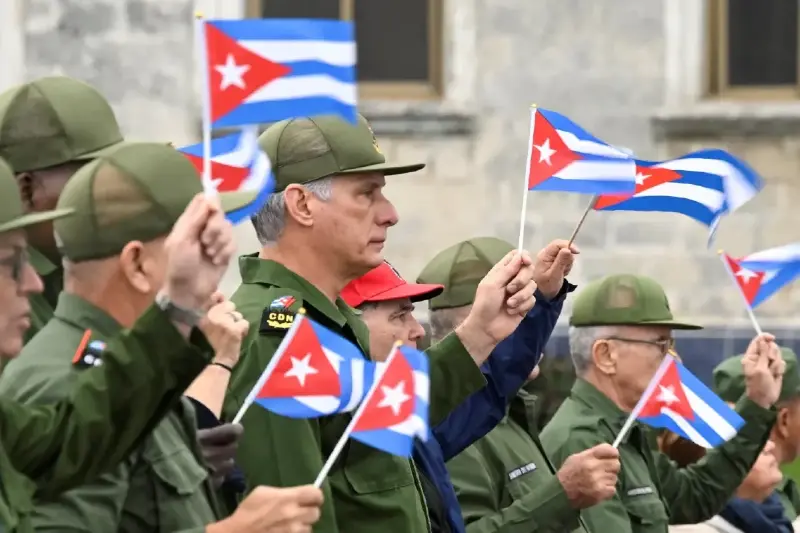


U.S. President Donald Trump has signed an executive order paving the way for tariffs on countries supplying oil to Cuba, escalating economic pressure on the Communist‑run island and broadening U.S. trade policy tools. The move did not specify target rates or nations but reflects mounting U.S. efforts to isolate Havana.
U.S. President Donald Trump has announced plans to impose new tariffs on any nation supplying oil to Cuba, significantly intensifying his administration’s economic pressure campaign against the Communist‑run island nation. The announcement comes via an executive order signed on 29 January 2026, which declares a national emergency and empowers the U.S. to levy tariffs on goods from countries that sell or provide oil to Cuba, although specific tariff rates and named nations have not yet been disclosed.
The move is seen as a continuation of Trump’s broader strategy of using trade policy as a lever in foreign affairs, following a series of aggressive actions in the region. It comes in the context of severe energy shortages in Cuba—which reportedly has only 15-20 days’ worth of oil reserves—after halts in oil imports from traditional suppliers such as Venezuela and reduced shipments from Mexico.
The White House cited national security concerns and the Cuban government’s alleged ties to hostile actors as justification for the policy, highlighting the need to counter what it describes as destabilising actions by the Cuban regime. Under the executive order, the secretaries of state and commerce are authorised to develop rules and guidance to implement the tariff system, which could be adjusted if Cuba or affected countries take steps aligned with U.S. policy objectives.
Trump has repeatedly suggested that Cuba’s economy is on the brink of collapse, noting that the recent loss of Venezuelan oil support has worsened the island’s economic plight. Meanwhile, Cuba’s leadership has criticised Washington’s actions, arguing that the U.S. lacks moral authority to impose conditions on the country and rejecting suggestions that Havana should negotiate under American terms.
The announcement marks a notable escalation in U.S. efforts to internationally enforce economic isolation of Cuba, potentially creating diplomatic tensions with countries that have maintained energy trade relationships with Havana.
