
Japan to boost aid for town development using historical resources
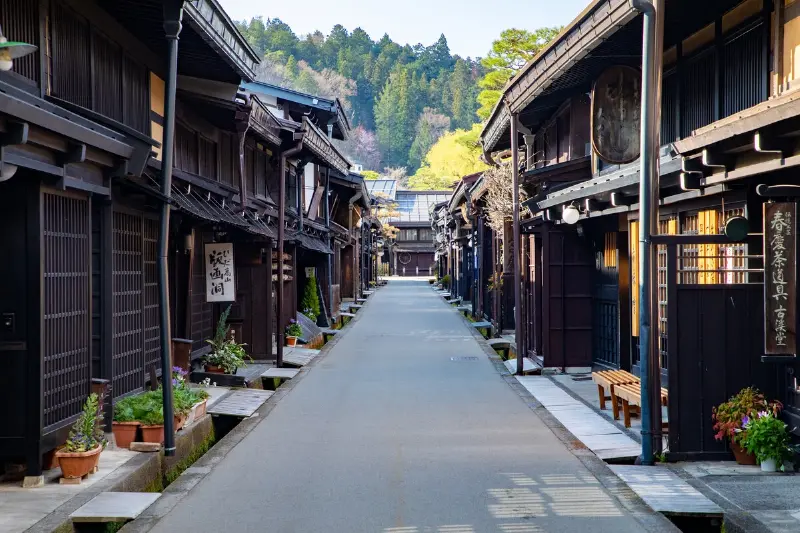


The Japanese tourism ministry plans to strengthen financial support for town development efforts by municipalities that utilise historical tourism resources in fiscal 2026, which starts in April.
The ministry intends to provide subsidies to a wide range of municipal governments working on projects, including renovating old buildings and preserving traditional events.
The move aims to create more attractive sightseeing areas nationwide to diversify inbound tourist destinations and curb overtourism in major cities.
Currently, municipalities can receive subsidies if their plans for maintaining and improving historic landscapes involve national treasures or special historic sites designated by the central government and are approved by the ministry.
Plans by 100 municipalities, including Kanazawa, which is known for its former castle site, and Takayama, which is popular for its old township, had been approved as of the end of last month.
The ministry intends to relax the approval requirements to include tangible cultural properties and historical heritages designated by municipalities, as well as cultural landscapes formed through local lifestyles and environments.
The revision will enable "almost all municipalities" to create such plans to receive subsidies, a ministry official said.
The scope of projects eligible for subsidies is also set to be expanded.
Currently, subsidies can be used only for limited purposes. For example, repairing the exterior of buildings with subsidies is permitted, while interior renovations are not.
The ministry will allow municipalities to use subsidies for the renovation of entire buildings and for infrastructure development, such as improving roads and laying stone pavements. About half of the costs for such projects will be covered by the subsidies.
Furthermore, the ministry will offer financial support of up to 10 million yen for intangible measures, such as those related to festival preservation and future planning.
The ministry will submit legislation to revise related laws to the Diet, Japan's parliament, after a general election set for Sunday.
The number of foreign visitors to Japan reached a record high of around 42.7 million in 2025, up about 16 per cent from the previous year, according to the Japan National Tourism Organisation.
By 2030, the government aims to attract over 60 million inbound visitors, generating 15 trillion yen in their consumption.

