
Put off changing the Constitution until the end of this year, Banyat urges government


Play
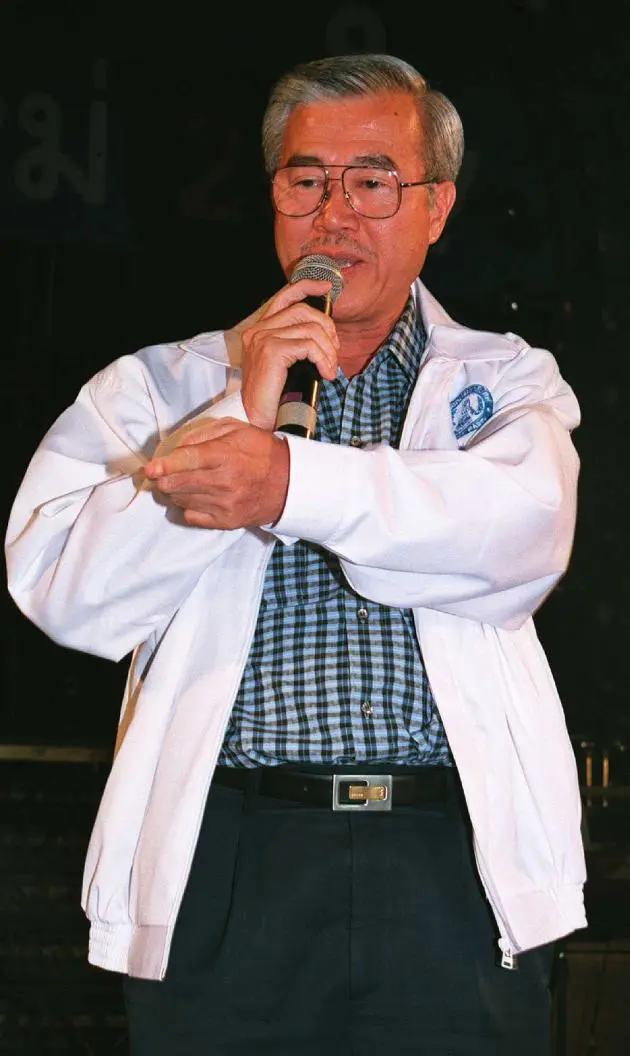
Thai politics was still stuck in contention over the ousted, convicted and fugitive former premier Thaksin Shinawatra, Democrat Party adviser Banyat Bantadtan said yesterday.
Banyat said the mass media – who nicknamed the Yingluck Shinawatra administration as a “front for Thaksin”– got it right and reflected the latter’s continued influence in politics.
Banyat warned that a conflict point would arrive with the government’s attempt to amend the current junta-sponsored 2007 charter this year. He also warned that the move by the Nitirat group of law lecturers to repeal lese majeste law would also ignite widespread conflict in Thai society.
Banyat urged the government to slow down the move to amend the charter and concentrate on the fight to alleviate economic hardship among the less well-off instead. He said the Yingluck Shinawatra government might do well to adhere to the old adage “don’t fix it if it ain’t broke”.
The Democrat said the government should tackle graft and corruption. Not doing so, warned Banyat, would invite “danger” from opponents and lead to “severe political conflict”.
Banyat said the ideal time to change the charter was eight to nine months from now, with the drafting assembly taking a lead role and its members directly elected by the people to ensure independence. Drafting the changes should take about three months.
Candidates for the assembly should come from various sectors, he said.
In regard to the resumption of electoral rights for 111 banned Thai Rak Thai party executives, which will occur in May, Banyat said it would add more colour to politics, but Thaksin would still be the mastermind.
Witthaya Buranasiri, the Public Health Minister and Pheu Thai MP for Ayutthaya, said people like Pheu Thai party-list MP Sanoh Thienthong, who opposes changing the Constitution, should understand the party made a campaign pledge to amend the charter and the government had also made it a declared policy.
Asked if there had been discussion about proposed house arrest for Thaksin – instead of prison – if he decided to return to Thailand, he said the matter had not been addressed yet.
Meanwhile, Wicha Mahakhun, a member of the National Anti-Corruption Commission, said yesterday the ruling Pheu Thai Party had the right to amend Article 291 of the Constitution, as it was part of the party’s election campaign promises. However, the public must be consulted first regarding matters that might affect them.
Wicha, an ex-judge and former drafter of the current post-coup constitution, expressed his opposition to changing the charter’s clauses in regard to the monarchy or Article 112 of the Penal Code, which involves lese majeste.
