
CDA or writers' panel? The charter debate rolls on


The debate remains inconclusive on whether to form an elected assembly (CDA) or to appoint a panel to take charge of a redrafting of the charter.
Democrat Party leader Abhisit Vejjajiva said he preferred the CDA to Ukrit’s idea for appointed charter writers.
He said the coalition whips’ decision to support the formation of the CDA was a move in the right direction although it was still unclear about the details of how the CDA should be elected and formed.
He said he was concerned that major political parties would influence the voting outcome for charter writers, resulting in a CDA mired in partisanship.
For example, an elected writer from Udon Thani might owe loyalty to Pheu Thai while another from Nakhon Si Thammarat might be linked to the Democrats, he said.
During a luncheon among party leaders last week, Abhisit said he suggested each province have at least two contenders for the job in order to weed out or minimise partisanship.
Rival groups might split the votes in such a way that the winning charter writer might not be linked to any political parties, he said.
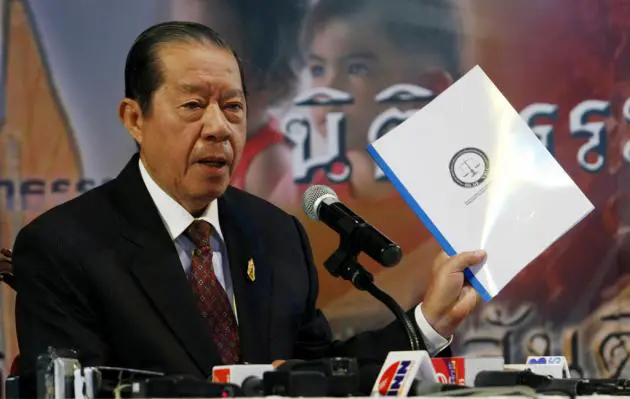
Arguing in favour of the appointed panel, Ukrit Mongkolnavin of the Independent National Rule of Law Comission said yesterday that the Cabinet should appoint a panel of 34 charter writers, including legal scholars, to rewrite the 2007 Constitution within the 60-day deadline.
“It is unnecessary to amend the charter’s Article 291 in order to pave a way for the formation of the Constitution Drafting Assembly,” Ukrit said.
He said he deemed it unfair – because of varying populations – that each province would elect one charter writer. Furthermore, an elected writer might not have the experience nor the skills for amending the charter, he added.
The previous CDA spent Bt1 billion for the redrafting, imposing an unnecessary financial burden on the state coffers, he said, arguing an appointed panel would not be costly.
In regard to public participation in the drafting process, he said appointed writers would be obliged to allow the public access to the writing of each provision, The draft would be vetted in Parliament and subjected to a public hearing before the passage. The final draft would also be presented for a referendum vote.
Ukrit has already submitted his proposal for an appointed panel to Prime Minister Yingluck Shinawatra, arguing it would be an option for the government to consider on how best to chart the new political system.
PM Yingluck said she welcomed all suggestions on the charter change but had not drawn a conclusion.
She said her government agreed the charter should be amended but would not set a deadline. The government was focusing on post-flooding recovery efforts and would allow the charter change to happen under the legislative process, she said.
