
Charter referendum should require two-thirds support: academic


Play
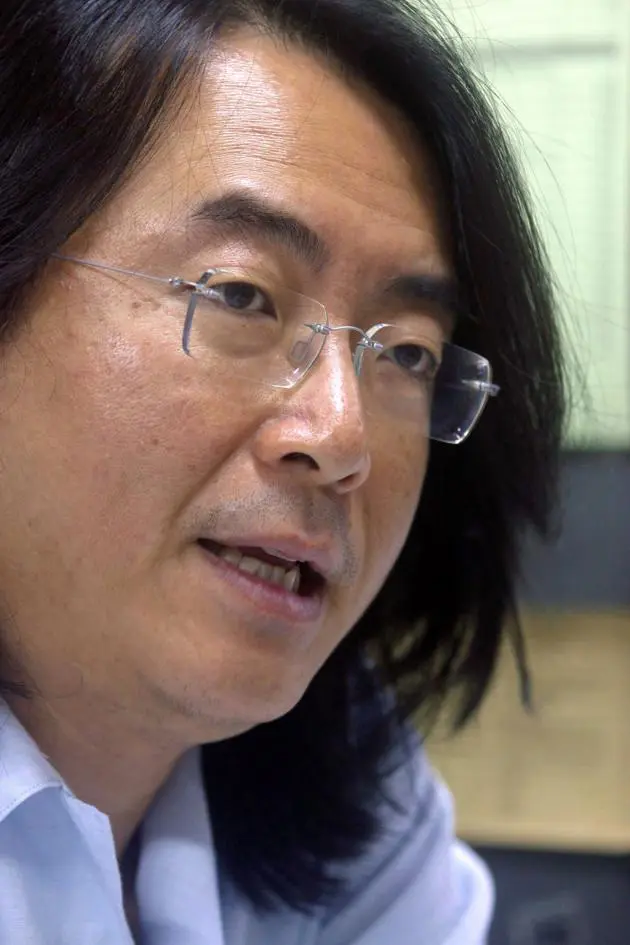
Chulalongkorn University political scientist Chaiyan Chaiyaporn has proposed that a national referendum on the Constitution should require the backing of two-thirds of voters before the charter can be adopted.
In an exclusive interview with Nation News Agency reporter Khanittha Thepphajorn, Chaiyan said the two-thirds minimum requirement is not easy to achieve. The Pheu Thai and government coalition did not get that many votes in the 2011 election. They will have to campaign more to get approval for the new charter while the opposition might campaign for people to oppose or abstain.
Meanwhile, Thammasat University law lecturer Pornson Liengboon-lertchai said at a seminar yesterday that a study should be undertaken on the disadvantages of the Constitution before drafting any changes.
Other panel speakers at the seminar on “Constitutional Amendment: Exit for Thailand?” at Thammasat University yesterday included Chulalongkorn University law lecturer Nuntawat Boramanand, Pheu Thai MP and a member of the Parliament’s ad-hoc committee on charter amendment Peerapan Palusuk, appointed Senator Kamnoon Sitthisaman, former member of Assets Examination Committee Kaewsan Atibodhi and Pornson.
Nuntawat said Thailand’s problems included the problems with the charter itself, related laws and the people who used the laws. The problems occurred when the charter users interpret the laws in a way that would benefit themselves, not the country. He raised the cases of corruption hidden in the policies and the changing of court judges in the case related to the Preah Vihear controversy as examples.
Peerapan said the charter amendment was only one of the exits for Thailand. However, the current Constitution, issued in 2007, was not a charter that could be used for the whole country, is problematic for power allocation and also constrains the work of the government.
Little progress so far
Nevertheless, his committee had done little work on the changes to the Constitution and could not find any solution. Meanwhile, a former charter drafter had asked him to increase the number of academics among charter drafters.
Peerapan’s committee is working on changing Article 291, which states the way in which the Constitution can be changed. While the latest proposal, passed by Parliament, agreed on setting up the Constitution Drafting Assembly, the committee must propose the suitable number and qualifications of the charter drafters.
Kamnoon said the charter revamp would not solve the problem as long as the real problem, political conflicts among Thais, remains.
Kamnoon, a former key member of the anti-Thaksin Shinawatra People’s Alliance for Democracy, said making any change to the charter without a clear framework or guideline for change would only cause more conflicts and might stir up rallies as people would want to campaign for what they want.
At the moment, key members of political parties have hinted they wanted to completely change the power structure of the country so that they can get rid of opponents. Proposals such as a revamp of the courts and independent organisations meant the elimination of a checks-and-balances system that examines elected politicians.
“The exit route for the country is to resolve the conflicts. Everybody should be open-minded and accept that problems occurred both before and after the September 19 coup in 2006. How can we join hands to solve the problems and look at the overall picture of the country to eradicate the weakness that was the cause of the coup?” Kamnoon said.
Meanwhile, Kaewsan said it was important to find out the truth and call for people’s consciousness. However, the Truth for Reconciliation Commission of Thailand, led by Kanit na Nakhon, did not do that job, resulting in the rush to change the charter.
He said that as a former AEC member, he found a problem in the charter: it guaranteed return on political investment for capitalists.
Pornson said he wanted to urge the government to campaign and be open to the opinions of both sides – those who agreed with and those who opposed charter change.
