
Interior Ministry to probe BMA's Skytrain contract
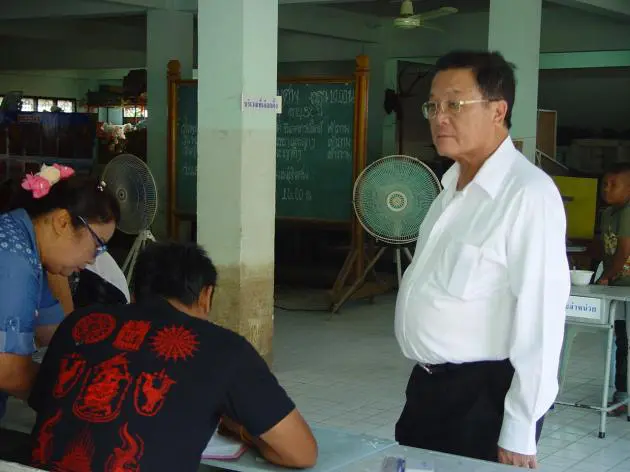


Deputy Interior Minister Choochat Hansawas said he would investigate the Bangkok Metropolitan Administration (BMA)'s decision to hand a Bt190-billion contract to the current operator of Skytrain system, BTSC - saying the BMA had not kept the ministry advi
During the House meeting yesterday, Pheu Thai Bangkok MP Jirayu Huangsab asked if prior approval had been sought from the ministry. The contract’s section 27.1 stated if a concession extension was desired, the firm must notify BMA at least three years (but no more than five years) before the concession expired – and the interior minister must approve it first, he said.
Choochat, on behalf of the interior minister, said the BMA had not informed the ministry because the city regarded itself as independent. When controversy arose, the city merely cited the Council of State’s ruling to back its decision.
Although the city was a special administrative zone, it had to obey the law, he said, adding that the city’s investments involved the people’s tax money. He said he would study the documents to investigate this case and see what action should be taken.
Jirayu also questioned if the BMA awarded the 30-year contract to BTSC through its legal investment arm Krungthep Thanakhom (KT) to avoid breaching the Public-Private Partnerships Act and the Offences in Auction Offer to State Agents Act. Choochat replied it was wrong for the city to hide behind the Council of State’s ruling when its action went against community sentiment.
Bangkok Democrat MPs objected, saying the question and answer session was against the meeting’s regulations, but Second Deputy House Speaker, Pheu Thai MP Wisut Chai-narun, let it continue. Choochat said he would note the question for later discussion.
Jirayu asked if the BTSC contract could affect fares for the three new Skytrain extension routes and whether the policy for a flat rate fare could be implemented. Choochat replied this was a legal matter and he would investigate the legalities.
