
National Security Council opposed Nasa mission for six reasons, says Thaworn


Play
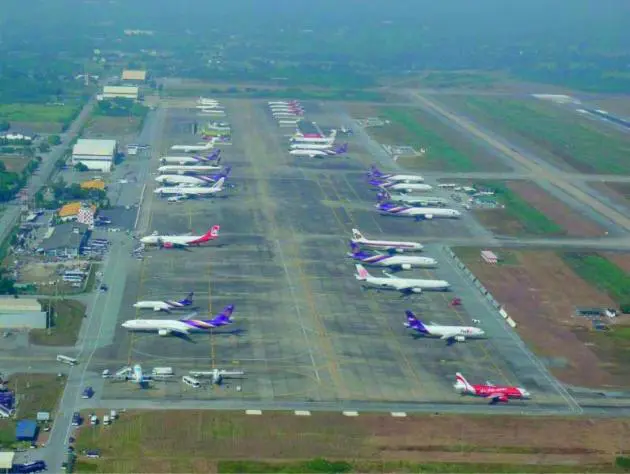
Thailand's National Security Council (NSC) recently cited six reasons to oppose the Nasa bid to use U-tapao Airport, the details of which were disclosed yesterday by a key figure of the opposition Democrat Party.
According to Thaworn Senneam, a deputy leader of the party, the NSC first questioned why the US’ National Aeronautics and Space Administration (Nasa) would involve US oil giant Chevron in the climate research project in Thailand.
This raised the possibility that sensitive research data would be shared, affecting Thailand’s economic and energy security.
Second, the NSC is unsure if other sensitive data from the project here would also be used for military purposes.
Third, the NSC is concerned that the project could hurt Thailand’s relations with neighbouring countries, especially China.
Fourth, the project will include flying over Thailand’s security-sensitive areas. Fifth, the NSC is worried that military and surveillance equipment could be hidden in aircraft used in the Nasa project.
Sixth, the project will encourage anti-American terrorists to plot more activities in Thailand.
Thaworn said these reasons were cited by the NSC, after which Prime Minister Yingluck Shinawatra decided to submit the Nasa proposal to Parliament for a debate under Article 179 of the Constitution.
Previously, critics urged the government to seek parliamentary approval on the US proposal under Article 190 of the Constitution because it could affect Thailand’s sovereignty and national security.
Citing a further delay, which would result from the parliamentary process, the US government later cancelled the Nasa project in Thailand for this year.
Diplomatic sources also noted that US President Barack Obama had cancelled a planned visit to Thailand in the wake of the cancellation of the Nasa research project. Earlier, the US leader was planning to visit the country during his visit to the region for the upcoming Asean Regional Forum Summit, which would be hosted by Cambodia early this month.
