
Govt seeking another quiet deputy PM
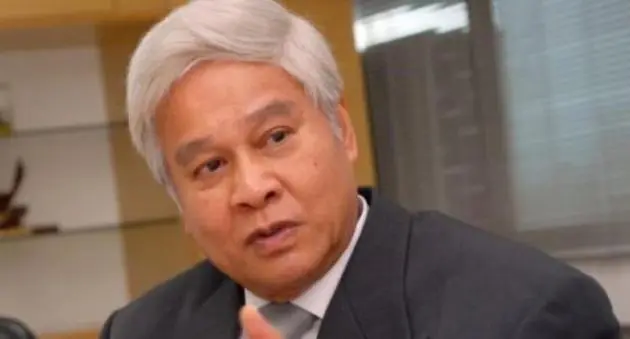


The government is stonewalling on the fate of Interior Minister Yongyuth Wichaidit in an attempt to avoid infighting over the Cabinet line-up.
Over the weekend, Pheu Thai Party spokesman Prompong Nopparit condemned a party clique for trying to oust Yongyuth so that a former minister could resume power by becoming his successor.
Many saw his remarks as a veiled attack on former executives of the disbanded Thai Rak Thai Party who are jockeying for political appointments.
Yongyuth’s job security is at risk because of his involvement in the Alpine land scandal in March 2002 when he was a deputy permanent-secretary at the Interior Ministry.
Last month, the National Anti-Corruption Commission notified the ministry of its ruling in June to punish Yongyuth for a serious disciplinary offence.
On September 14, the ministry’s civil service sub-commission convened a meeting to mete out punishment by discharging Yongyuth from the civil service with effect retroactive to before his retirement on September 30, 2002.
Under the Constitution, a serious disciplinary offender is banned from joining the Cabinet and holding a House seat.
But the government is allowing him to cling to his job for the sake of political expediency.
The debate on Yongyuth’s status will remain inconclusive until the government can come up with an amicable solution to reallocate Cabinet seats without triggering a split within the ruling party.
The fate of Yongyuth has far-reaching political and legal ramifications.
Yongyuth joined the Cabinet under the joint quota allocated to Prime Minister Yingluck Shinawatra and her brother Thaksin.
If Yongyuth is to be replaced, Yingluck and Thaksin must consider three crucial factors.
First, Yongyuth is presently the designated caretaker should Yingluck be unable to perform her duties.
At this juncture, no qualified candidates have emerged. Yongyuth’s successor should be well accepted by the Pheu Thai ranks, as well as not too ambitious to outshine Yingluck.
Second, Yingluck and Thaksin have yet to finalise a joint decision on whether to pick one or two successors to Yongyuth.
Thaksin is apparently pushing for Thai Rak Thai veterans while Yingluck is reluctant to turn back the clock.
Third, Yingluck and Thaksin have to tread carefully to avoid a potential clash between Pheu Thai and its Thai Rak Thai allies.
For the time being, Yongyuth is an indispensable link to the power sharing within the Cabinet.
The government can, however, keep him on the job as a stopgap measure and not a lasting solution.
The longer Yongyuth remains in the Cabinet, the greater the risk of his legal wrangling will impact on the government.
In the face of disciplinary punishment, the government argued that Yongyuth’s offence and record was expunged via an act of Parliament to grant clemency to disciplinary offenders. The bill, to mark His Majesty the King’s 80th birthday, was passed five years ago.
Officials claim Yongyuth is entitled to be treated as if he had never been a disciplinary offender because the legislation gave him a fresh start.
The government cited two rulings, one by the Council of State and another by the Civil Service Commission, as justification for Yongyuth keeping his job.
But some key facts have been omitted from the government’s justification:
- the two agencies got advice on the impact of disciplinary clemency on the civil service records but not the constitutional implications;
- the two rulings related to clemency granted to individuals already punished, but in this case Yongyuth had not been punished before claiming clemency;
- only the Constitution Court can rule on Yongyuth’s job status.
