
Academics ask: do we really need a Senate?


Play
The ruling coalition parties' attempts to rewrite the charter - to remove appointed senators and restrictions against parents, spouses and children of MPs to qualify as senators - have met with strong criticism.
Opponents say the changes would result in the Senate becoming not only just a rubber stamp, but also a sword that politicians could use against their political opponents.
The main reason for the proposed changes cited by the government camp is that appointed senators have no link with the people – while they do have powerful roles in impeaching, disqualifying, endorsing political officer-holders and members of independent agencies.

Besides, independent agencies (which are officially endorsed by the Senate) have a role in appointing senators. The result is conflict of interest and can lead to nepotism or a spoiled system.
Government critics however have argued that if all appointed senators were removed and only elected senators were permitted, a political party which has control over the country’s election would have a mandate over both the upper and lower houses – dangerous because the checks-and-balances system could not function. Politicians in power are thus allowed to exercise this power in excess to protect themselves and to sabotage their political opponents.
The move to abolish restrictions against spouses, parents and children from applying as senators followed the vetting of the charter by the joint House committee. Critics said the move raised concern that the so called “husband-wife Parliament” would return, referring to both spouses either serving as MPs or senators, which happened when the 1997 charter was enforced.
Critics pointed out if senators were given such a powerful role, strict screening of their qualifications would be needed in order that the checks-and-balances system worked, otherwise there was no need to have an upper House.
However, it appears the “people who call the shots” believe they can still use senators to their advantage and they only want to remove appointed senators and maintain elected ones – while reducing restrictions on senators’ qualifications. This has made critics believe the people in charge want to put the Senate under their thumb as happened when the 1997 constitution, which was designed for such a political format, was enforced.
If this is the case, observers believe there would be no need to have the Senate. But is it possible to have only a single house?
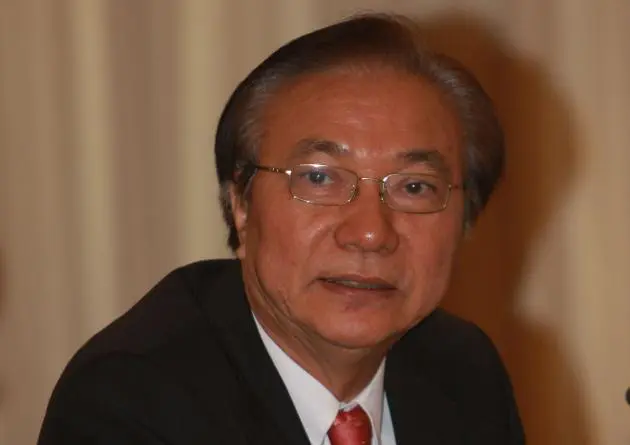
National Institute Development Administration (NIDA) rector Sombat Thamrongthanyawong said either a double or single house legislature is possible. Thailand has Lower and Upper Houses because lawmakers want the upper house to provide legal support in terms of helping the lower house screen or check laws.
Sombat however believes MPs nowadays are competent and knowledgeable and do not need to have senators screening legislation. Having senators going through each law to check them only delays the legislation process. In addition, the Senate has not been able to remove any politicians or officials, although the body has been given such a powerful right to do so.
“The political scenario of the Senate fully backing the government could come back to haunt us again without doubt. That the consequences could be worse than when the 1997 charter was enforced, or not, remains to be seen,” he said.
Chaiyan Chaiporn, lecturer at Chulalongkorn University’s Faculty of Political Science said if the so-called “husband-wife House” was returned, having the Senate would be meaningless. “Useless. If you wished for electors not to vote for the network or allies of politicians in the Senate, you’d have to wait very long before voters developed such a conscience. The best solution would be to amend the charter to reduce the senators’ roles,” he said.
Trakul Meechai, lecturer at Chulalongkorn University agreed with the two academics, saying if there were only elected senators, senators would not be free from political influence and the checks-and-balances system could be tampered with.
“Political parties would field their A list group as MP candidates and B list as senatorial candidates,” he said.
Pornsan Liangbunchai, lecturer at the same university said the discussion had to start with what roles senators should have. “If they want only elected senators, the roles have to redefined. If senators’ roles are the same as those of MPs, then there would be no need to have the Senate,” he said.
