
Tariffs planned for city petrol stations


Play
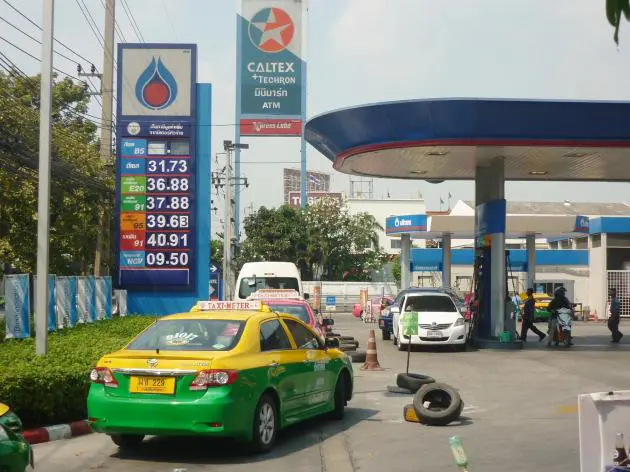
The Bangkok Metropolitan Administration (BMA) is planning to impose a tariff on the sale of petrol and alternative automotive fuels at service stations in the capital.
It also plans to boost the collection of existing taxes to acquire more revenue, Deputy Bangkok Governor Kritsada Kluntanont said yesterday.
The tariff will be imposed in January next year as scheduled – at 5 per cent of sales revenue of stations that provide benzene and diesel, as well as both LPG (liquified petroleum gas) and CNG (compressed natural gas), Kritsada said.
“This will give the BMA around Bt500 million a year,” he added.
It’s the first time Bangkok-based stations will be required to pay such a tariff, which is imposed by almost all municipalities and local administrative bodies across the country. The collection by the BMA of a tariff will be calculated on a basis of litres of petrol and gas, while other local bodies collect the rate on the basis of kilograms, the deputy governor said.
The BMA will also consider imposing tariffs on hotel accommodation and sales of tobacco in the capital, he said, adding that a large-scale amendment of BMA regulations would be made to facilitate the imposition of these two tariffs.
The BMA has been planning to impose monthly fees for wastewater treatment upon households, in accordance with the volume of tap water each uses. However, it has not yet reached a conclusion with the Metropolitan Waterworks Authority, which would calculate the formula of rates and charge the BMA for collection of the fees along with the monthly MWA bill. This wastewater-treatment fee, if collected, would earn the BMA around Bt1 billion a year.
Kritsada also discussed collection of car-parking fees on main streets and branch roads, which the BMA is authorised to do. The BMA would need to discuss with Traffic Police how to collect the fees or exempt parking fines in certain cases, and how to share the revenues if both parties agree to implement the car-park tariff in the future, he said.
