
Suspending amnesty bill will show if PM's sincere about reform
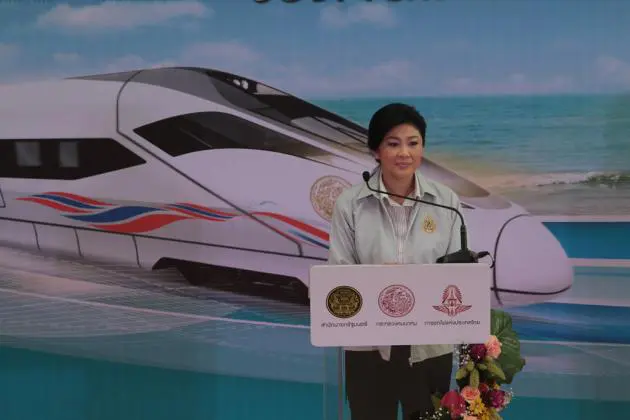


PRIME MINISTER Yingluck Shinawatra has made a laudable proposal she says is aimed at finding a "sustainable solution for Thailand". The idea is to gather viewpoints from political players on all sides to design a democracy suitable for Thai society. Thi
The prime minister has assigned Deputy Prime Minister Phongthep Thepkanjana and PM’s Office Minister Varathep Ratanakorn to invite key senior politicians to take part in this forum. Those who have agreed to join include former prime minister Banharn Silapa-archa, who was credited with backing political reform that resulted in the “people’s constitution” of 1997, former Senate Speaker Ukrit Mongkolnavin, former House Speaker Uthai Pimchaichon, 2006 coup leader General Sonthi Boonyaratglin, and former prime minister Chavalit Yongchaiyudh.
These political elders are all seen as siding with the government. They are all members of the ruling coalition, current or past members of the ruling party, or linked in some other way to the government. Rivals of the government, namely the opposition Democrat Party and the People’s Alliance for Democracy (PAD), have made it clear that they will not take part in the forum if the government does not withdraw the amnesty bill proposed by a group of Pheu Thai MPs.
The House debate on the amnesty bill began on Wednesday, so it is now difficult for the proposed law to be withdrawn. A feasible option is to have the bill suspended from deliberation, in the same way as the so-called reconciliation bills were suspended after strong opposition last year. The government has not withdrawn those bills, but they have been shelved.
If the government decided to suspend the amnesty bill, the ball would be in the opposition’s court. It is likely that the Democrats and the PAD would then review their stance on joining the PM’s proposed forum.
Such a move by the government would point to the prime minister’s sincerity and determination in achieving national reconciliation. It would be evidence that the government is not just attempting to “buy time”, as alleged by critics. However, if the government opts to continue with pushing for an amnesty bill, it will miss a good opportunity. More important, the political-reform forum proposed by the PM would be unlikely to materialise.
A forum without the opposition and the PAD would be much different from the one envisaged by the prime minister.
Phumtham Wechayachai, secretary-general of the ruling Pheu Thai Party, said the prime minister would “host” the forum, allowing the parties involved in the political conflict and people who are neutral, as well as other political actors, to discuss a way out for the country.
Prinya Thaewanarumitkul, vice rector of Thammasat University, described the PM’s proposal as a “good beginning” to end the conflict. He called on both sides of the conflict to stop setting conditions and start finding a common stance. “Both sides should try to find answers to the questions together. And they should not try to force the others to accept their answers to the questions. Otherwise, they will not be able to find a solution,” he said.
The prime minister can also demonstrate the sincerity of her political-reform proposal by personally taking part in it. Phumtham has said that Yingluck would not participate in the talks among the political actors, but would “only host it and open the forum”. If this is the case, people will question her sincerity.
Whether the proposed political-reform council and reconciliation talks materialise, or turn out to be just another political game aimed at buying time for the government, is up to the prime minister.
