
Chief of NRC political panel firmly backs proposal for direct election of Cabinet


Play
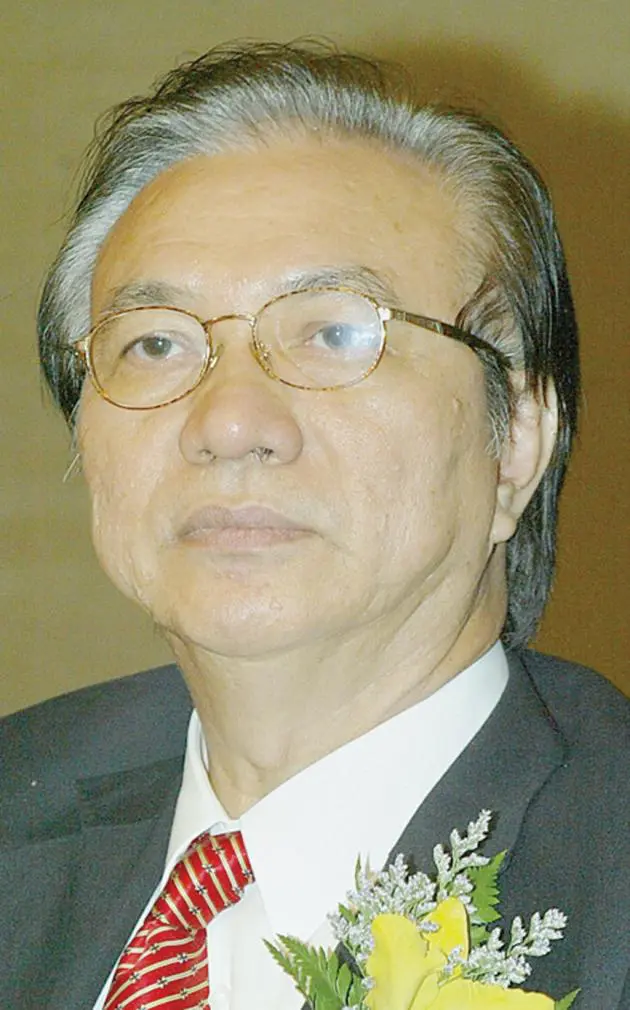
Chairman of the National Reform Council's political reform subcommittee has stood with his panel's proposal for election of the entire Cabinet despite opposition from his colleagues at the National Reform Council.
Sombat Thamrongthanyawong has urged people “scared of change” to keep an open mind about the reform process, saying change is needed.
Sombat was responding to reports that the subcommittee’s initial conclusion on political reform – having a directly elected Cabinet and prime minister – was opposed by some NRC members.
“It is normal that people will be afraid of change, especially if they are not used to it,” he said.
“Hence, it is more difficult to accept change, while it is very easy to stick to the conventions.
“This is why we are calling it a reform period, because change is needed. If [it is] not, then why are we calling it a reform?”
Sombat said he would accept the NRC’s consensus.
One of the key debates for members of the NRC and the Constitution Drafting Committee relates to the type of parliamentary system implemented under the new constitution.
A CDC source said the debate centred on whether to directly elect Cabinet members, including the Prime Minister, or to stick with the current system based on the 2007 constitution. That system calls for the PM to select the Cabinet.
CDC member Kamnoon Sidhisamarn said the proposal to have directly elected Cabinet members had been debated by CDC members but no consensus had been formed yet.
The charter drafter said there was no guarantee the proposal would be submitted to the NRC and CDC for consideration because it was only an initial conclusion.
However, Kamnoon said that having a directly elected Cabinet would strengthen the executive branch, as past experience suggested the current parliamentary system tended to produce weak executives who lasted a short time in the job. As a result, there had been discontinuity in the country’s administration.
Kamnoon said that if the proposal were implemented, the election system and the executive power boundary would need to be amended.
He also stressed that the pros and cons of using the proposed system would need to be carefully considered.
Sources have said that some NRC and CDC members do not like the proposal because the executive could become too powerful and too difficult to regulate and that could lead to a parliamentary dictatorship.
Some members will oppose the idea at the upcoming NRC meeting because they do not want to see the country used as a testing ground for a political innovation without any guarantee of it solving political problems.
