
Chance of human-to-human Mers transmission "lower than Sars"
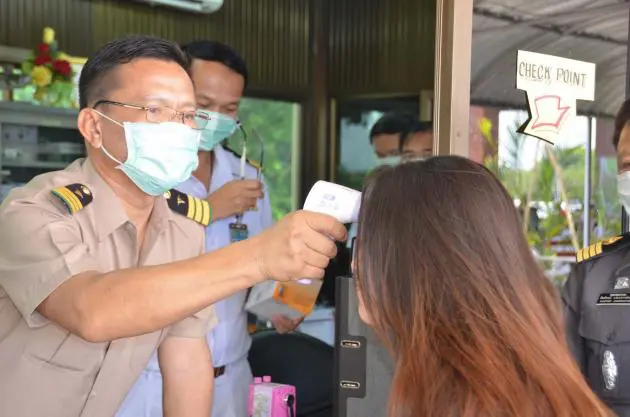


THE CHANCE of human-to-human transmission of the deadly Middle East respiratory syndrome (Mers) coronavirus is only one-fifth that of the virulent severe acute respiratory syndrome (Sars), an expert said yesterday.
Professor Dr Yong Poovorawan, a top virologist at Chulalongkorn University’s faculty of medicine, told a press conference that Mers was unlikely to spread around the world.
He labelled the outbreak of the disease in South Korea as a “super spread”.
“In fact, it just started from a South Korean returning from the Middle East,” he said.
Yong said there was no medicine or vaccine specifically targeting Mers-CoV, which had a mortality rate of 37 per cent.
“This rate is indeed very high,” Yong said.
Older people have a higher risk of death if infected with this disease, he said. Children and teenagers have a higher chance of survival.
Professor Dr Narin Hiransuthikul of the same institute said the groups at risk of contracting Mers were those with chronic diseases, smokers, and people who came into direct contact with someone who had the disease.
“Transmission can happen within five minutes of direct contact,” he said.
Disease Control Department director-general Dr Sopon Mekthon said Thailand needed to monitor the Mers situation because people constantly travelled between the Middle East and Thailand.
“We have now joined forces with relevant authorities in implementing surveillance and screening of the disease,” he said.
Airports of Thailand chairman Prasong Poontaneat said his agency had the airport measures in place to investigate travellers coming from Mers-affected countries.
He said these measures are on par with those used to tackle the Sars threat in 2003.
People who have developed a fever and a cough, have a congested nose, and have difficulty breathing within two weeks of returning from the Middle East are advised to visit a doctor immediately and report their travel history.
Counselling is also available via the Disease Control Department’s hotline 1422 around the clock.
