
It's time for Thai TV series to help advance society


Play
TV SERIES have always been the most popular programmes because they are an easily accessed source of entertainment.
But in my eyes, TV series should be able to do much more than serve as mere entertainment.
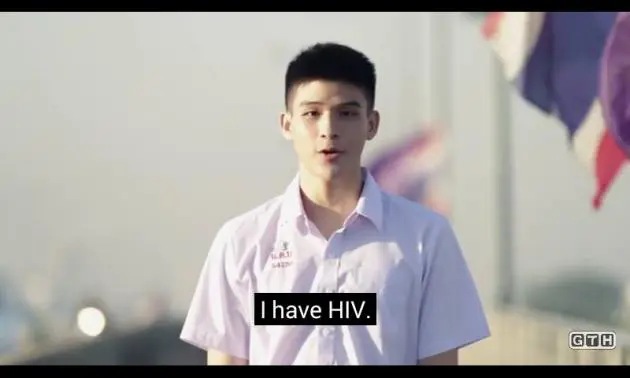
The latest story from Hormones 3 is solid proof of what I mean. Following its broadcast, people went on the Internet to explain that HIV and Aids are different.
HIV stands for human immuno-deficiency virus. If left untreated, HIV can lead to the disease Aids (acquired immuno-deficiency syndrome). Although Aids is the final stage of the HIV infection, not everyone who has HIV advances to this stage.
Hormones 3 highlighted this point, which boosted public awareness and understanding about people with HIV. If they receive proper care and medication, people living with HIV can lead a normal life.
Sadly, however, most other TV series that feature HIV-positive characters equate HIV to Aids, giving a distorted portrayal of what the disease really is.
HIV/Aids activists have explained that the wrong portrayal aggravates discrimination and increases the risk of HIV spreading. When people believe that those with HIV will have visible Aids symptoms, they may endanger themselves by having unprotected sex with a person who looks healthy.
HIV/Aids issues aside, most TV series also often fail to deliver practical knowledge for real-life situations.
In a romantic series, male characters often suck blood out of the wound of female characters bitten by snakes. But doctors say that such an approach is not really used anymore. They say it would be better to help snakebite victims by immobilising the affected limb and rushing them to hospital.
Even worse, many all-time favourite TV dramas include scenes in which heroes rape heroines and conclude with a sense of good feelings. The frequency of such scenes threatens to make some viewers believe that sexual violence is okay. But rape is a hideous crime and rapists must be punished under the law.
Orn-usa Perngsoong, a student at Silpakorn University, said earlier this year that she felt something was wrong when she noticed many soap operas used soft lighting, beautiful angles and romantic tunes to make it seem that sexual assault was not too bad in some instances.
“If we let the trend continue, people will think rapes are common or okay,” she lamented.
Orn-usa has tried to counter this negative trend through her Facebook page under the name of “What do TV series reflect?” Attracting more than 56,000 likes, this page is filled with thought-provoking messages and graphics.
For example, one picture shows a woman warning her would-be rapist that he could be sexually abused in prison repeatedly if he commits the crime.
Child and Youth Media Institute manager Khemporn Wirunraphan said society should not react casually to rape scenes in TV series or it would negatively influence the values and culture of Thais.
“Don’t take them lightly. TV is not merely about entertainment,” she said.
Khemporn believes stricter ratings for TV programmes should be introduced, and all parties concerned must strive harder to support constructive media.
Sharing Ornusa and Khemporn’s view, I am calling on TV-series producers to pay serious attention to the social and cultural impacts of their work.
High ratings and immense interest from advertisers may sound like a big success. But no real success is there if TV series instil wrong attitudes in Thais and harm society.
TV series producers, just like corporate firms, need to start integrating the social-responsibility concepts into their work.
The impact of TV series is immense. So let’s turn them into sources of knowledge, good inspiration, understanding and good values too.
