
World Cancer Day: millions to take actions


Play
Cancer will kill more than eight million people worldwide this year, which is equivalent to the entire population of New York, according to Geneva-based Union for International Cancer Control (UICC). In the statement released today on the World Cancer Da
It has been estimated that the cost implications on world economies caused by cancer and the other non-communicable diseases (including mental health) could be as high as US$47 trillion if no action is taken to reduce the anticipated growth in cases over the next two decades. This is a greater economic impact than the global financial crisis of 2008 and represents 75 per cent of global GDP.
The Geneva-based organisation revealed that currently, 8.2 million people die from cancer worldwide every year, out of which, 4 million people die prematurely (aged 30 to 69 years).
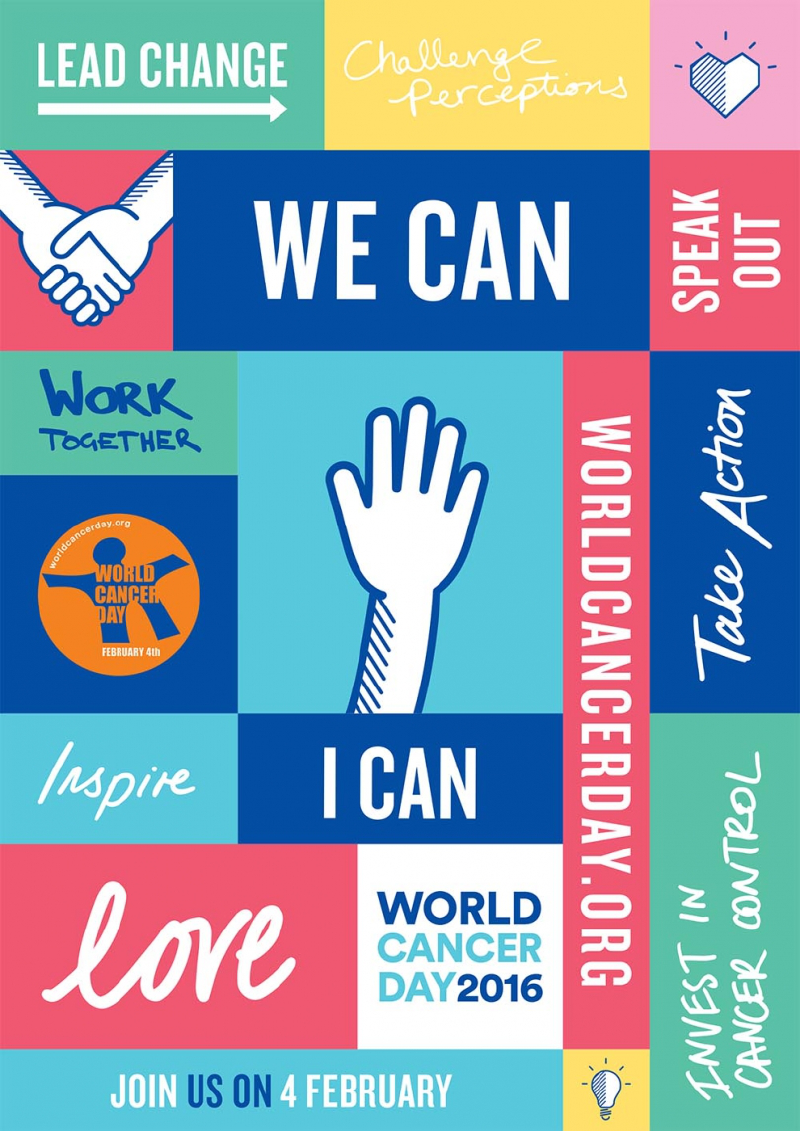
The campaign "We can. I can." was launched to draw attention to what can be done to address cancer, save millions of avoidable deaths and, in turn, support global economic growth and development.
Under "We can", it urges corporations to focus their business on products and services that improve public health. It also asks governments to urgently reaffirm their commitment to the following cost-effective cancer ‘essentials’ package that save lives.
“Preventing millions of unnecessary deaths and suffering from cancer is not outside of the world’s scientific or financial capabilities,” said Dr Cary Adams, chief executive officer, UICC.
“It will however require collaborative action at both individual and collective levels – spearheaded by key leaders in society. Governments have made global commitments to priority actions for addressing cancer, we now need to see these converted to national investments in treatment centres, services and skilled health workers, as well as health promotion. Employers can play a crucial role also by investing in the well-being of their workplace and the wider environment which they impact,” he added.
Under "I can.", individuals are urged to take responsibility for reducing their own cancer risk. Simple measures such as stopping smoking, eating less red and processed meat, exercising regularly and reducing alcohol use can extend a healthy life, and must be seen as the first-line of defence against cancer and other associated non-communicable diseases.
