
Refugee education in crisis


Play
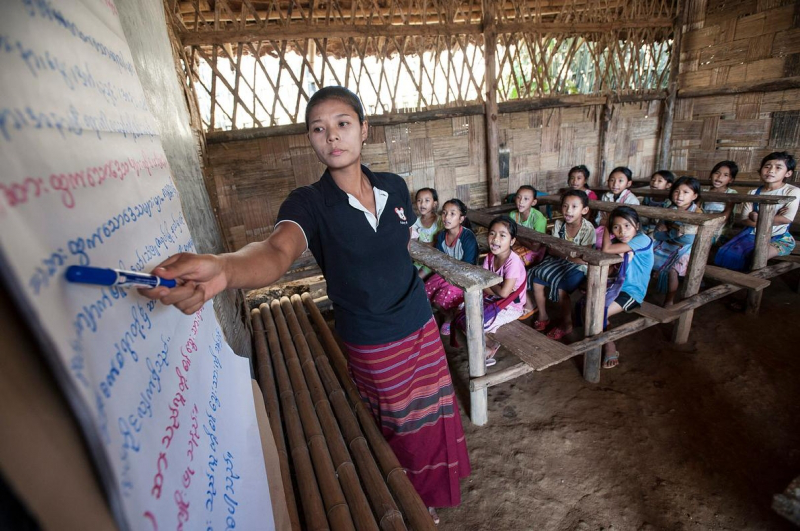
Geneva - About 3.7 million, more than half of the 6 million school-age children under the UN Refugee Agency's mandate, have no school to go to.
The UN agency released a report today, showing some 1.75 million refugee children are not in primary school and 1.95 million refugee adolescents are not in secondary school.
“This represents a crisis for millions of refugee children,” said Filippo Grandi, UN High Commissioner for Refugees. “Refugee education is sorely neglected, when it is one of the few opportunities we have to transform and build the next generation so they can change the fortunes of the tens of millions of forcibly displaced people globally.”
While the global school-age refugee population was relatively stable at 3.5 million over the first ten years of the 21st century, it has grown on average by 600,000 children and adolescents annually since 2011. In 2014 alone, the refugee school-age population grew by 30 per cent. At this pace of growth, UNHCR estimates that an average of at least 12,000 additional classrooms and 20,000 additional teachers are needed on an annual basis.
“As the international community considers how best to deal with the refugee crisis, it is essential that we think beyond basic survival,” said Grandi. “Education enables refugees to positively shape the future of both their countries of asylum and their home countries when they one day return.”
The report is released in advance of world leaders gathering on September 19-20 at the UN General Assembly’s Summit for Refugees and Migrants and the Leaders’ Summit on the Global Refugee Crisis hosted by the President of the United States of America.
