
Top private school launches programme catering to students with special needs
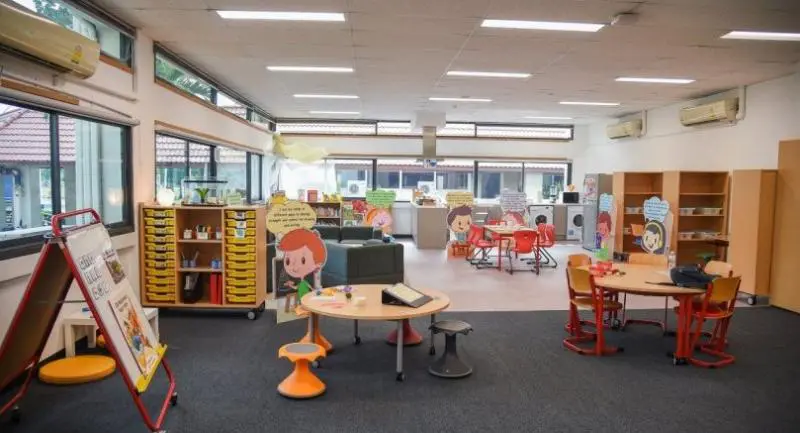


IT IS A TRUTH of life that we are all different. However, we are all human. Children are the same. No matter what their condition, they have the right to a standard of living and especially education.
International School Bangkok (ISB), the first international school in Thailand, has launched the Intensive Learning Needs programme for children with special needs. This is also the first time in the country that children who have been diagnosed with developmental or intellectual disabilities are being offered the opportunity to receive an inclusive education within an international school setting.
ISB spent nearly four years developing their Intensive Learning Needs programme by observing a successful inclusion school in the Belgian capital Brussels. However, the school has accepted students with mild and moderate special needs such as attention deficit hyperactivity disorder (ADHD) and dyslexia since long before that.
“Everyone is different. We try to instruct our students to understand the differences and diversity of others. They have to learn to give respect, care, and compassion to each other,” said ISB headmistress Usa Somboon. “Also, they have to realise that among their dissimilarities, they all have humanity.”
According to Dr Payom Chinnawong, secretary-general of the Office of the Private Education Commission, there are more than 400,000 children with special needs at government and private schools in Thailand. They are open to the public more than in the past since their parents are more open-minded and understand that their children need to develop.
“This is an auspicious occasion for ISB to launch the Intensive Learning Needs programme for students with special needs, since the Ministry of Education has announced that 2017 will be the cooperative year for children with special needs,” said Payom.
“Our goal in Thailand is to provide education that can develop all children to the highest potential. Thailand is now ready for this and it can be said that we are the leading country for special education in Asia.”
ISB has paved the way to become an inclusion school by giving students a chance of closer contact with the disabled. They add community service learning into their secondary school education. High school students have to undertake voluntary jobs in various fields in places such as homes for disabled. Working for the benefit of others will help develop quality students.
Some parents wondered, while the schooling was in progress, whether students with disabilities would be obstructive. Usa said: “Not at all. We can live, learn, and do activities together. They will learn to adjust themselves before joining the class. However, not all of them can study with other students. It depends on their condition.”
While living together with their peers and other people at the school, the children with special needs will receive a highly individualised curriculum focusing on functional academics and life skills. They will get support and services from a multidisciplinary team made up of professionals with different areas of training and expertise.
These include special-education teachers with expertise in working with moderate-to-severe learning disabilities, a speech-language pathologist, an occupational therapist to help children become more independent in their everyday lives, and a school psychologist.
ISB was honoured to have Khun Ploypailin Jensen, eldest daughter of Princess Ubolratana Rajakanya, to preside at the opening ceremony of their new facility for the Intensive Learning Needs programme at the end of February. The programme will start its first academic year in August for children with special needs aged between six and 10.
“Because this is our first semester, we decided to accept around 10 |students,” said Usa. “We emphasise quality more than quantity.”
